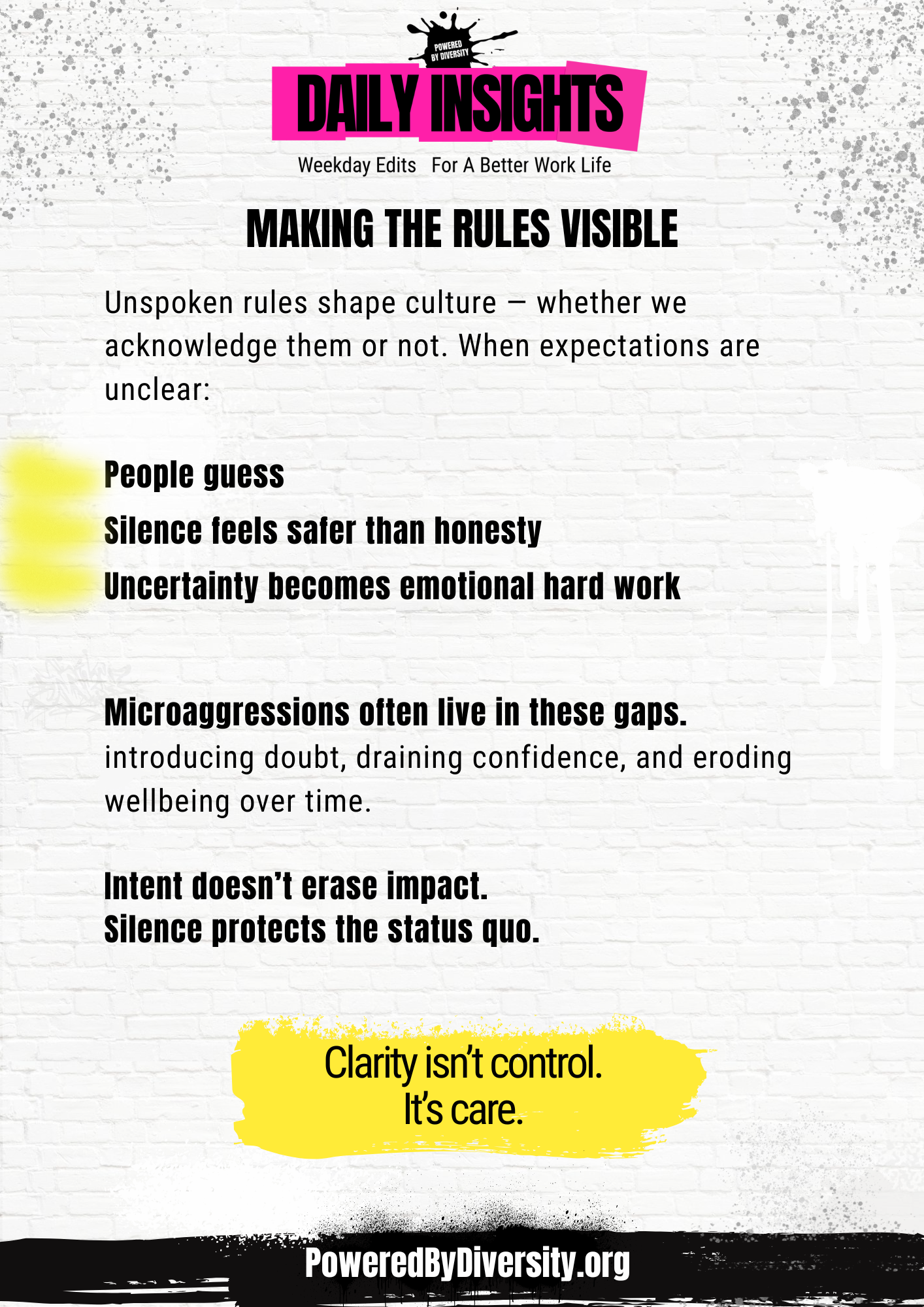
When the rules are invisible, uncertainty fills the gap.
This week’s insights connected microaggressions, wellbeing, and leadership responsibility, not as separate topics, but as part of the same system.
Silence protects the status quo.
Speaking up is often framed as an individual choice, but it’s rarely an individual problem.
Uncertainty chips away at psychological safety.
“Microaggressions matter. They’re not just small.
They shape whether people feel they belong - or isolated.”

Unspoken rules shape culture.
Every workplace has rules that aren’t written down. These unspoken rules shape everyday experiences at work, and when they’re left unexamined, they tend to favour those already closest to power…
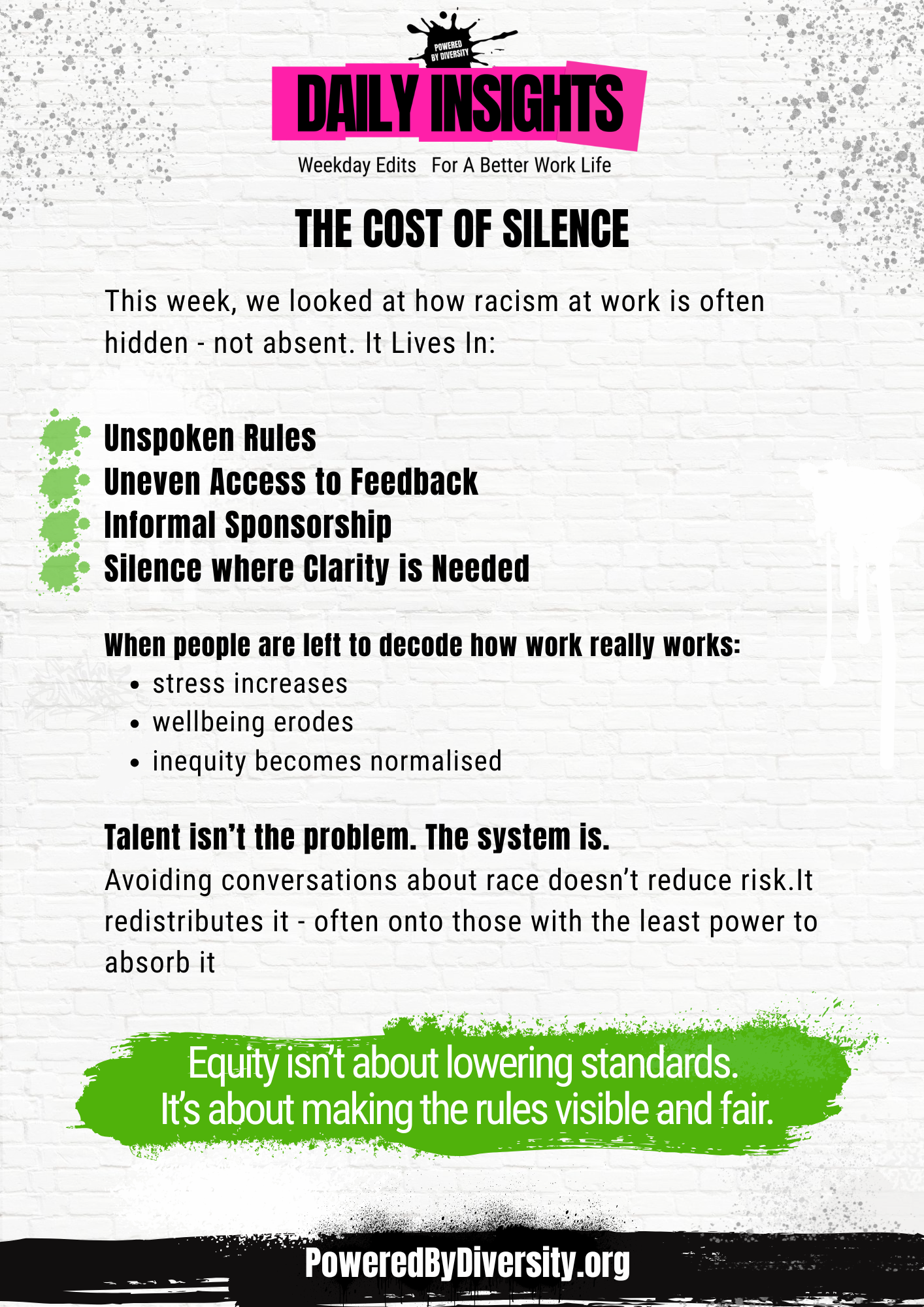
This week, edited: Silence protects inequality. Clarity challenges it.
“Equity work that avoids clarity will always fall short. Because wellbeing cannot thrive in systems that depend on silence.”

Mentorship helps people cope. Sponsorship changes outcomes.
“When access to sponsorship is uneven, inequity becomes self-reinforcing, especially when decisions rely on informal conversations rather than transparent criteria.”
Constantly decoding unspoken rules is exhausting.
In many workplaces, success depends on more than doing good work. It depends on understanding informal expectations that are rarely explained. Meet The Hidden Curriculum…
Talent isn’t the problem. The system is.
Many organisations say they value talent, fairness, and merit.
Yet outcomes tell a different story. Progression often depends on access to information that isn’t written down. This is the hidden curriculum of work.
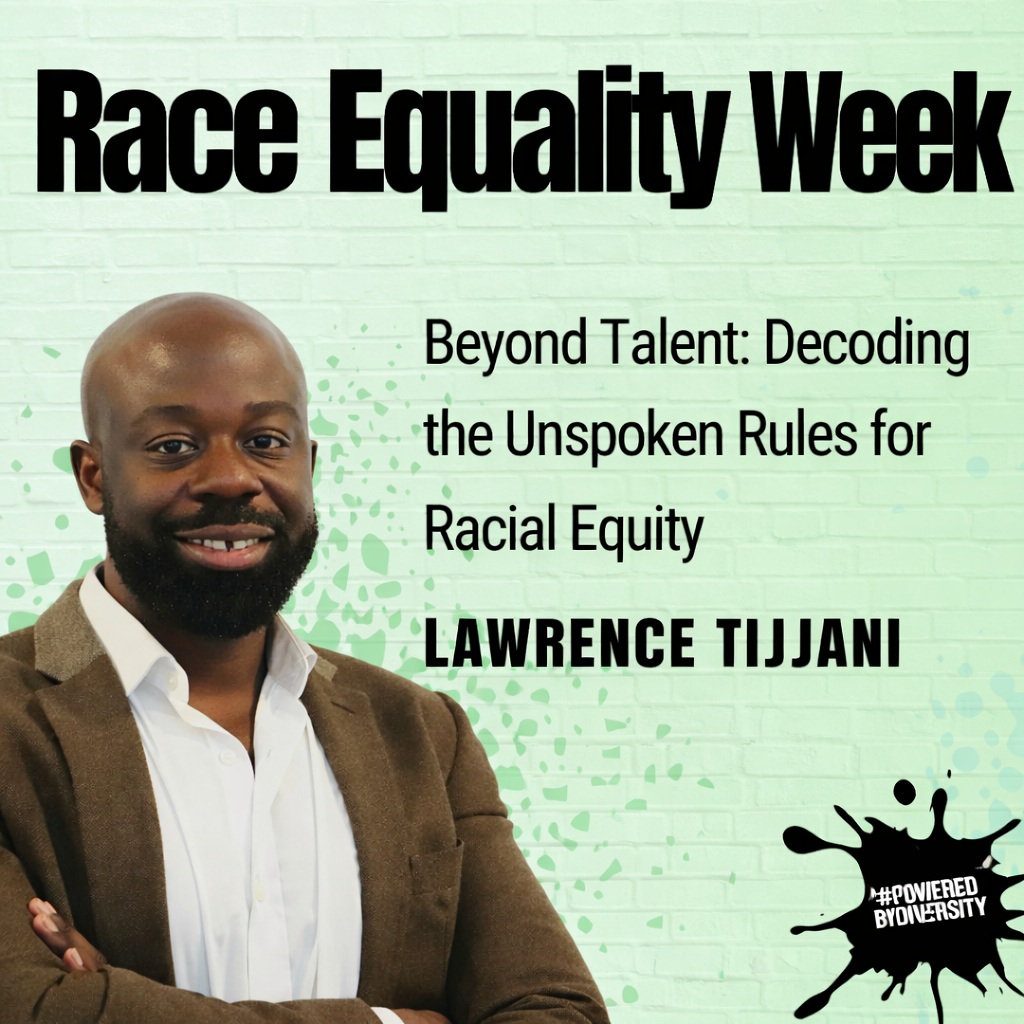
Racism at work is often hidden, not absent.
Last week, we explored how avoiding necessary conversations increases stress. This week, we ask the question: Who pays the price when conversations aren’t happening?
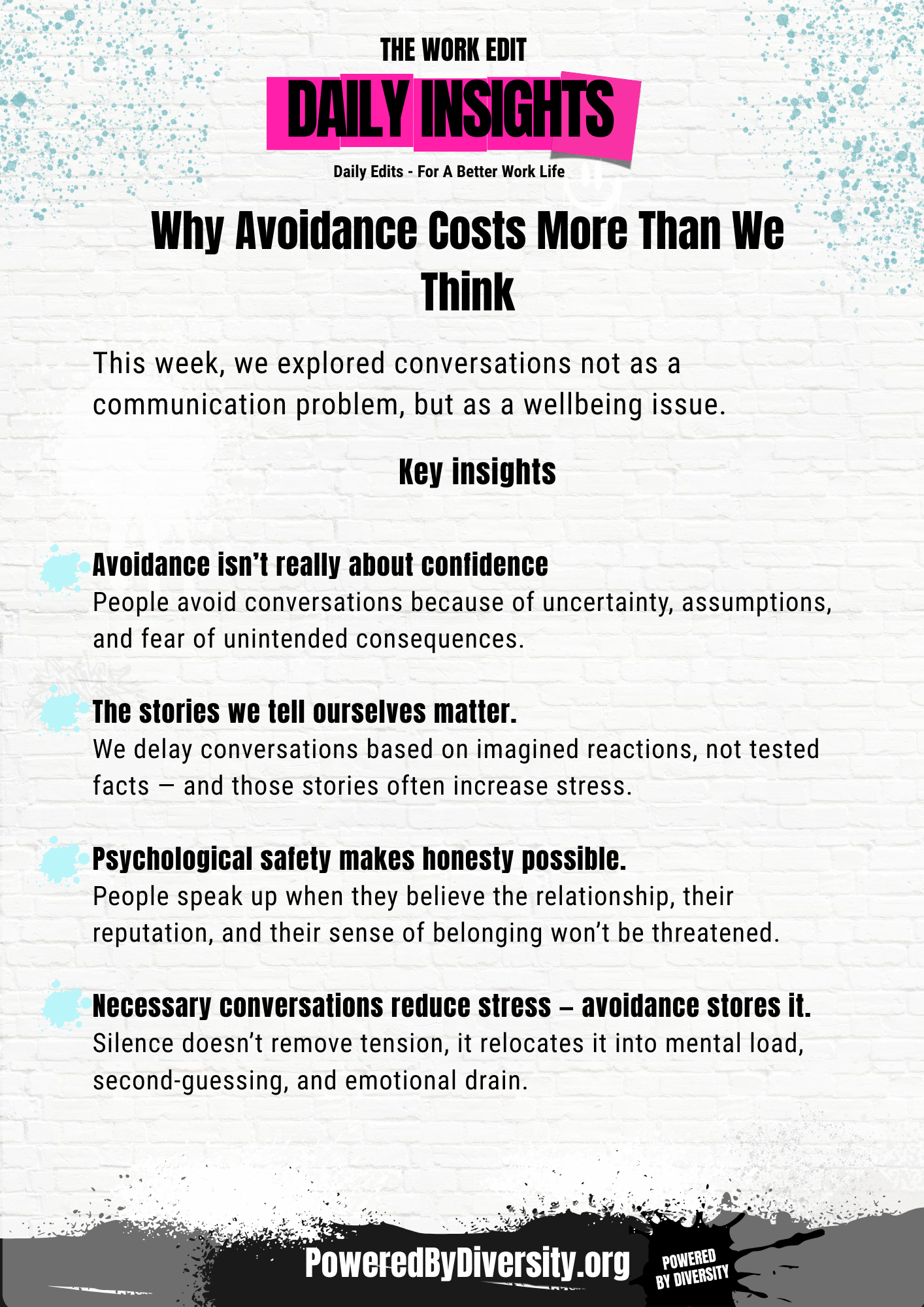
This Week, Edited: Are Necessary conversations a communication skill OR a wellbeing practice?
Necessary Conversations at Work: Why Avoidance Increases Stress and Burnout

Necessary conversations don’t create stress — avoidance does.
How Necessary Conversations Reduce Stress at Work
People don’t avoid conversations — they avoid risk.
Why Psychological Safety Matters for Difficult Conversations at Work.
Most difficult conversations are delayed by assumptions, not facts.
The Stories We Tell Ourselves About Difficult Conversations
Necessary conversations are rarely avoided because of the conversation itself.
Are you avoiding a necessary conversation because of the conversation itself - or because of the uncertainty around it?
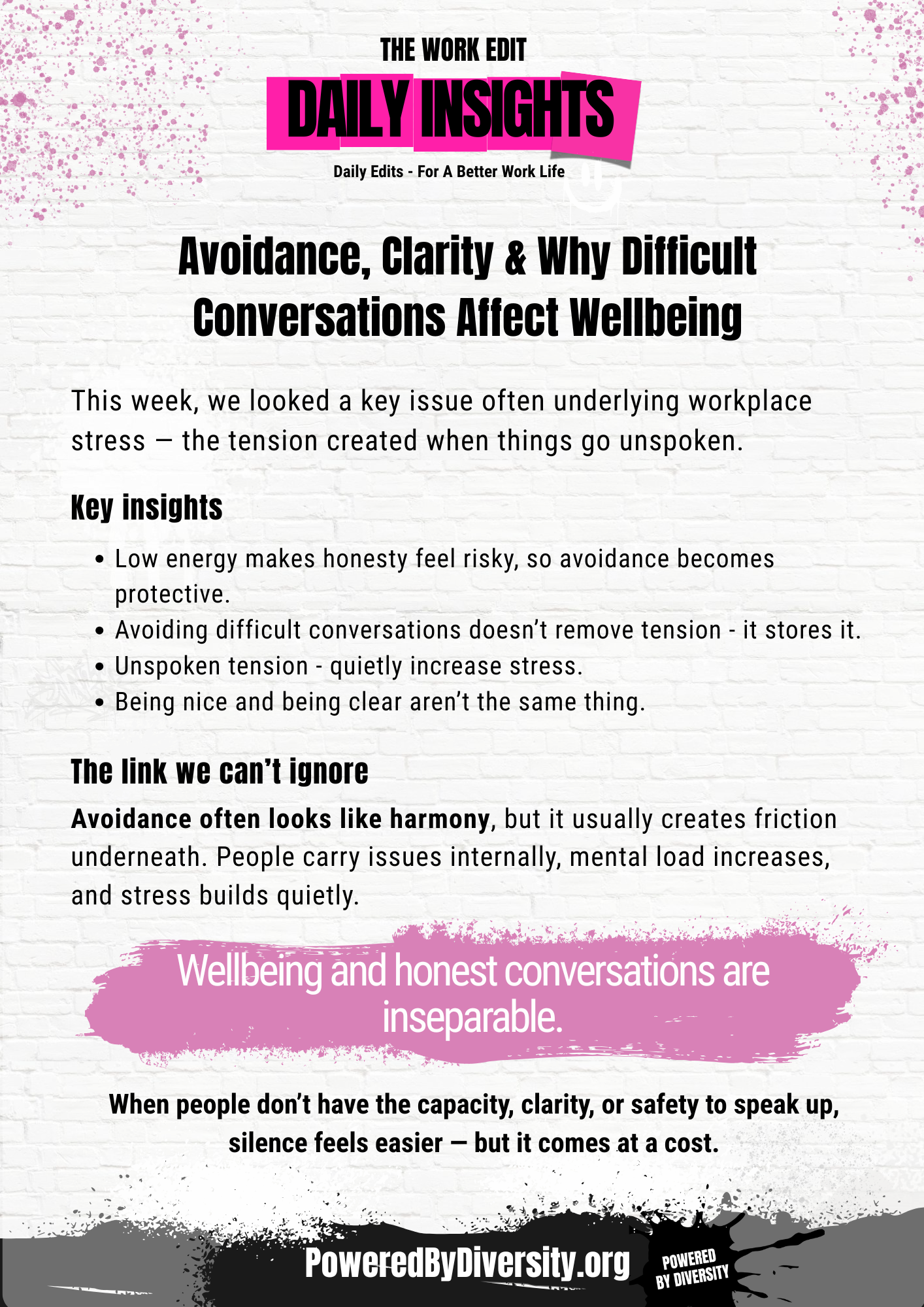
This Week, Edited: Avoidance doesn’t reduce stress. It relocates it.
Avoidance doesn’t reduce stress. It just relocates it.

join us next week for “No Sugar no spice: The recipe for real conversations”
Meet our speaker Fiona Kearns and learn what she’ll be covering in next week’s Difficult Conversations masterclass.
Unclear expectations - including unspoken tension - are a hidden source of stress.
Clarity isn’t just about what you’re doing.
It’s about how you’re working together.
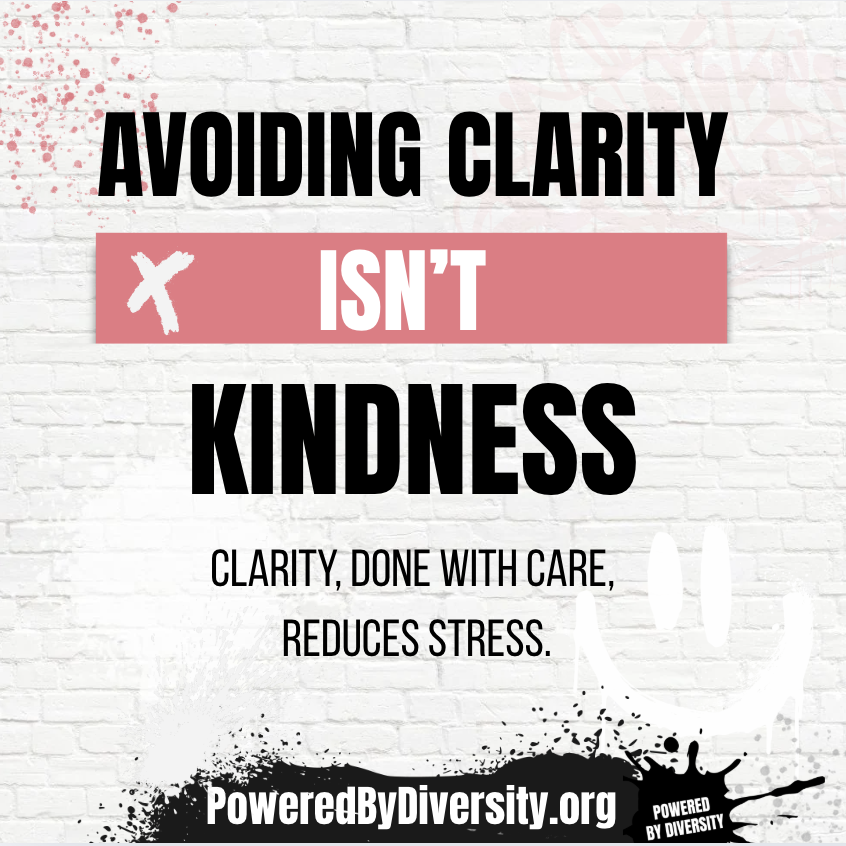
Being nice and being clear aren’t always the same thing.
Where might you be choosing short-term comfort over long-term clarity?
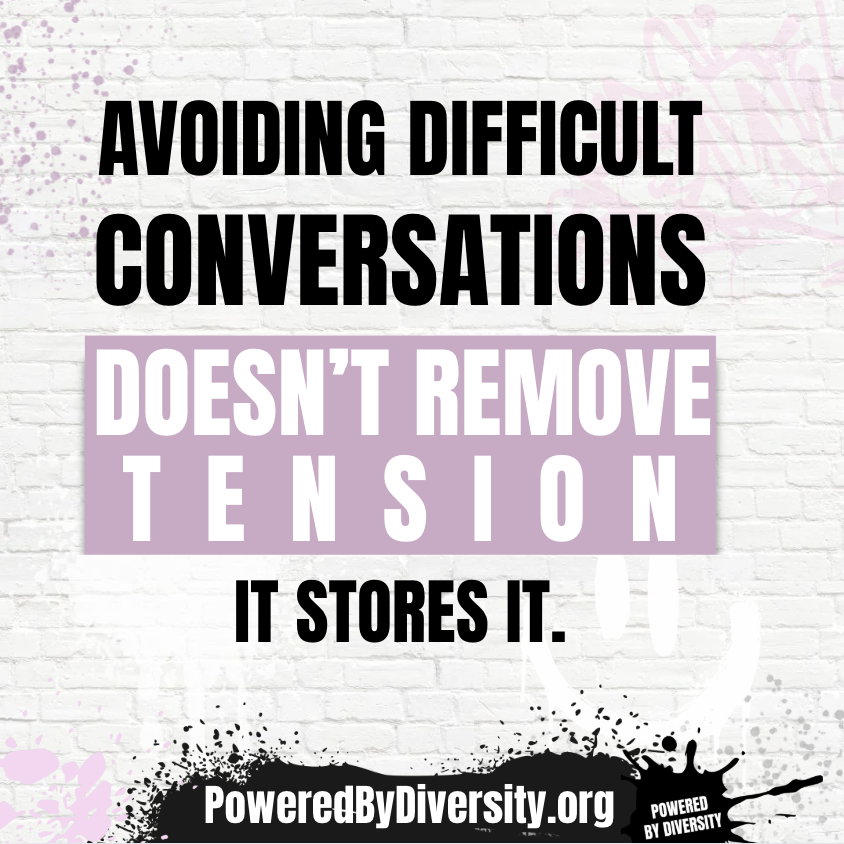
Avoiding difficult conversations doesn’t remove tension - it stores it.
Many people avoid difficult conversations for understandable reasons, but what often replaces it is something heavier.