
Most difficult conversations are delayed by assumptions, not facts.
Why this matters → (30 sec read)
When a conversation feels hard, the mind fills in the gaps with how the might react, how awkward it could get, what all the potential (usually negative) impacts could be…
Our brains can quickly turn those assumptions into certainties, even without evidence.
So the conversation gets delayed, not because the issue isn’t important enough to warrant a conversation, but because the imagined outcome feels too risky.
The Catch 22 is, these assumptions and the resulting avoidance don’t reduce stress - they usually increase it.
For leaders → (30 sec read)
When conversations don’t happen, it’s easy to assume avoidance or lack of capability.
But often, what’s really happening is sense-making.
People are trying to predict outcomes in the absence of clarity - and delaying action until they feel safe enough.
This is why clarity and psychological safety matter so much.
Not because they remove difficulty - but because they reduce the need for people to guess.
How could you help your team prepare for conversations they might be putting off?
Mindset shift required?
Our brains are very good at filling in blanks. When something feels uncertain, our brains create a narrative to make sense of it.
Have you ever had a mental narrative that goes something like this:
Urgh I know I need to talk to them about this
Here is all the ways this scenario could go
Maybe now isn’t the right time
This will probably escalate
They’ll take it all personally
It’ll ruin our relationship
I’d better think this through a bit longer
Over time, the story becomes heavier than the conversation itself.
People wait for more confidence, more certainty, a better moment.
But difficult conversations rarely feel safe before they happen. Safety often comes after clarity.
Recognising when you’re responding to a story rather than the facts is a powerful shift.
It doesn’t force action - but it does loosen the grip of avoidance.reflection
What assumption might be keeping a conversation stuck right now?
🔔 coming up on The Work Edit:
Tomorrow, we’ll explore what actually makes a conversation feel safe enough to have, especially when the stakes feel high.
🔔 Get Daily Insights to your inbox
Cultural Calendar Club
Your calendar of live events for the year.
join today for 12 Months of live, inspiring, entertaining talks events, made financially accessible for all organisations
Not yet a member of Cultural Calendar Club? Join today or Contact Us.
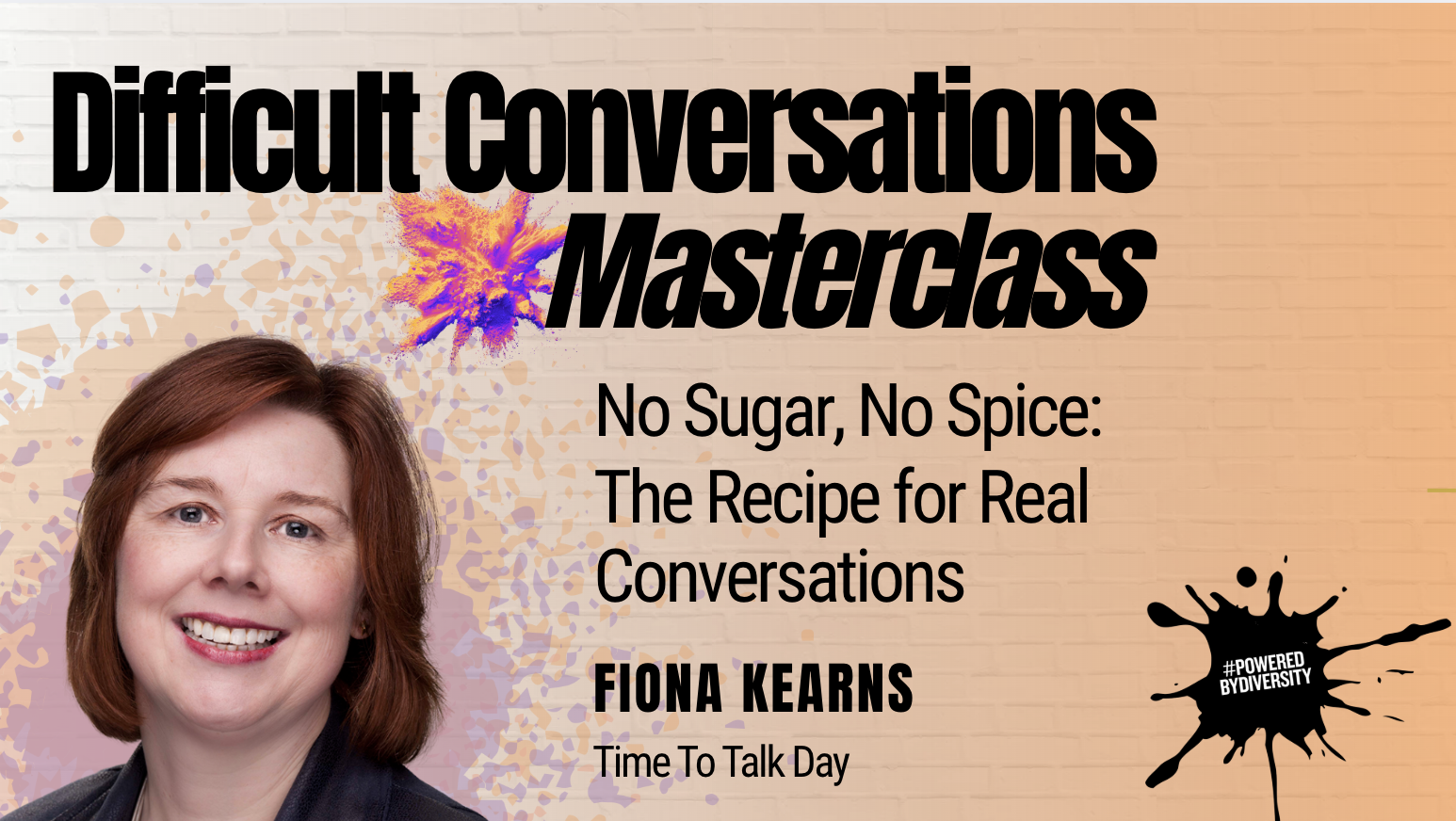
No Sugar, No Spice: The Recipe for Real Conversations
Thursday 5 February 2026
12:00 13:00
You might think avoiding tough conversations makes you kind or considerate. In reality, it’s holding everyone back—including you. Let’s face it: dodging discomfort doesn’t just affect you. It hinders your team and your organisation from reaching their full potential. By avoiding these moments, you deprive your team members of valuable feedback, stall their development, and miss opportunities to strengthen your working relationships.
It’s time to break the cycle. It’s Time to Talk.
In this masterclass, you’ll learn how to face these conversations head-on, adopt a practical and proven strategy, and build stronger, more productive connections.
Not yet a member of Cultural Calendar Club? Join today or Contact Us.