
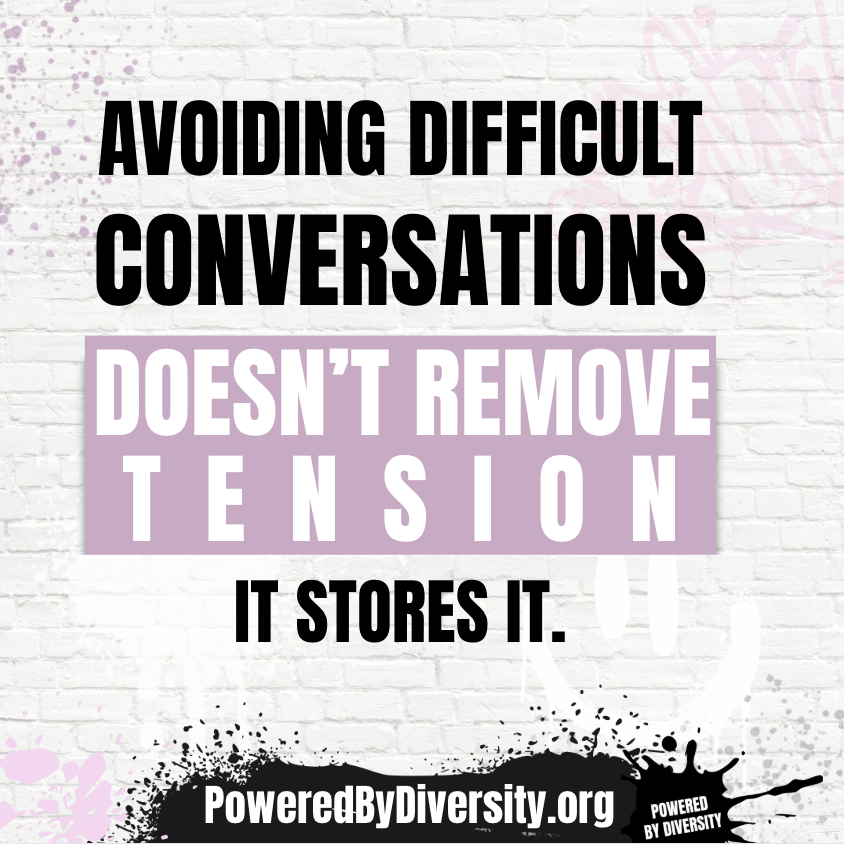
Avoiding difficult conversations doesn’t remove tension - it stores it.
Last week we were talking about avoidance (in either us - or someone else) and what it could be telling us. This week we’re looking at avoidance, specifically of conversations. Usually the ones we are anticipating could be difficult, for one reason or another.
Why this matters → (30 sec read)
Avoiding something uncomfortable can feel like relief.
We’ve all kicked something down the road for future-us to deal with and felt a temporary lift; I don’t have to deal with it today.
But what’s avoided rarely disappears. It shows up as low-level stress, mental load, overthinking and a sense of heaviness. Most people will recognise that ‘not having done your homework on a Sunday’ feeling of something that should be enjoyment feeling dampened by an overhanging worry.
Avoidance doesn’t remove tension, it just keeps it running quietly in the background (and it’s using energy).
For leaders → (30 sec read)
Avoidance is often misunderstood - or read - as diplomacy or even patience.
In reality, unresolved issues don’t stay neutral. They create friction, ambiguity, and emotional drag for everyone involved.
When conversations are delayed assumptions fill the gaps, stress increases energy is used up and importantly for leaders, trust begins to erode.
Addressing issues early and clearly reduces long-term pressure — even when it feels uncomfortable in the moment.
Mindset shift required?
Many people avoid difficult conversations for understandable reasons.
They don’t want to upset someone.
They don’t want to be seen as demanding or confrontational.
They don’t feel they have the energy to handle fallout.
So the conversation is postponed.
But what often replaces it is something heavier.
People rehearse what they should or could say (often over and over again).
They interpret small (possibly innocent) behaviours through a lens of frustration or negativity.
They carry tension internally rather than addressing it.
This is why avoidance is rarely neutral; it doesn’t remove pressure, it redistributes it.
Recognising this isn’t about blame.
It’s about noticing where stress is being stored, rather than resolved.
reflection
What’s one conversation you’ve been carrying in your head — rather than having out loud?
🔔 coming up on The Work Edit:
Tomorrow, we’ll explore why “being nice” can sometimes make things harder — not kinder.
🔔 Get Daily Insights to your inbox
Cultural Calendar Club
Your calendar of live events for the year.
join today for 12 Months of live, inspiring, entertaining talks events, made financially accessible for all organisations
Not yet a member of Cultural Calendar Club? Join today or Contact Us.
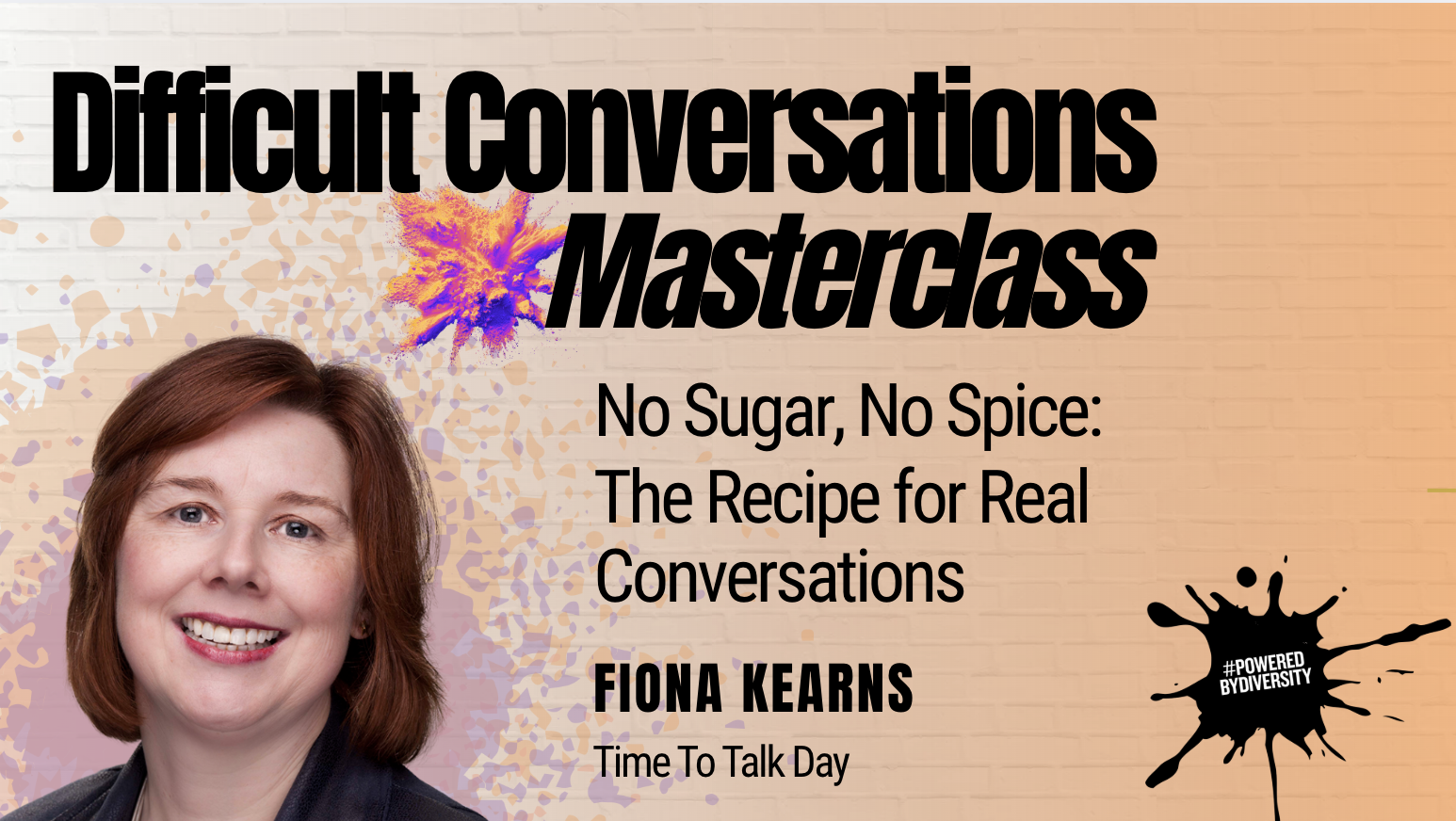
No Sugar, No Spice: The Recipe for Real Conversations
Thursday 5 February 2026
12:00 13:00
You might think avoiding tough conversations makes you kind or considerate. In reality, it’s holding everyone back—including you. Let’s face it: dodging discomfort doesn’t just affect you. It hinders your team and your organisation from reaching their full potential. By avoiding these moments, you deprive your team members of valuable feedback, stall their development, and miss opportunities to strengthen your working relationships.
It’s time to break the cycle. It’s Time to Talk.
In this masterclass, you’ll learn how to face these conversations head-on, adopt a practical and proven strategy, and build stronger, more productive connections.
Not yet a member of Cultural Calendar Club? Join today or Contact Us.