
Why this matters → (30 sec read)
Let’s be real, after a few years at work most of us had that moment where we realised that our success depended on more than just doing good work.
It depends on understanding informal expectations that are rarely explained.
How to ask for support without being judged, who to align ourselves to, when to push back and when to stay quiet, what “potential” looks like in practice.
This hidden curriculum creates an uneven experience of work.
For those who don’t have easy access to clarity, work requires constant interpretation, and that extra effort isn’t neutral — it accumulates as stress.
For leaders → (30-second read)
Burnout isn’t only caused by workload, it’s caused by sustained uncertainty.
When people don’t know where they stand, they work harder to protect themselves. They self-monitor more, they rehearse conversations, they carry questions that never get answered.
When race influences who feels safe asking for clarity — and who doesn’t — wellbeing outcomes diverge.
Reducing burnout isn’t just about resilience or recovery, it’s about reducing the need for people to decode the system in the first place.
Bringing it all together
The hidden curriculum of work turns everyday tasks into a mental puzzle. Instead of focusing fully on contribution, people expend energy interpreting signals, managing perceptions, trying to be what they think/ guess people want, and avoiding missteps they can’t clearly see.
Over time, this creates a quiet but powerful drain; focus decreases, confidence takes hit after hit and stress becomes a constant background to working life.
When race intersects with this experience, the load is heavier and the margin for error feels smaller.
Burnout doesn’t always arrive suddenly, often, it’s the result of prolonged vigilance in environments where clarity is unevenly distributed.
Wellbeing suffers not because people care too much, but because they have to carry too much alone.
Reflection
Where might people in your organisation be carrying the extra burden of decoding expectations rather than being supported with clarity?
What would change if fewer things were left unsaid?
🔔 coming up on The Work Edit:
Tomorrow we’ll explore how sponsorship plays a critical role in wellbeing, and long-term outcomes at work.
Want to feel more confident talking about Race and other topics at work?
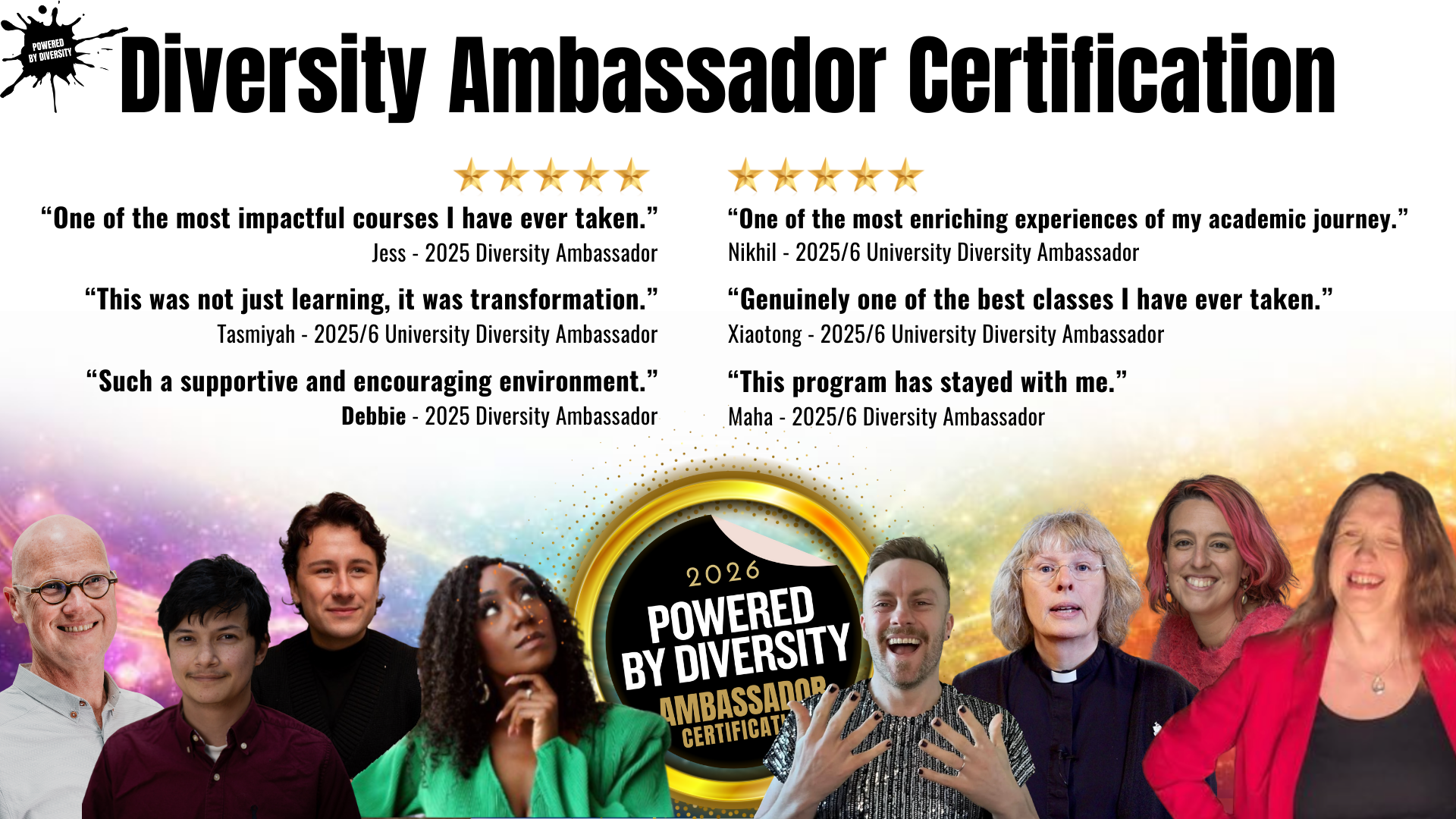
the 2026 Diversity Ambassador certification is now open for booking! 🎉
Six classes held via Teams | Every Thursday | from 12 - 1:30pm | From May 7th - June 11th
When are the Classes?
Thursday 7 May, 12-1:30 - Examining Beliefs - Foundations of EDI Thursday 14 May, 12-1:30 - Today's Sex & Equality Landscape
Thursday 21 May, 12-1:30 - Flags, Pronouns & Human Rights Thursday 28 May, 12-1:30 - Talkin' 'Bout my Generation
Thursday 4 Jun, 12-1:30 - Anti-ableist. Neuro inclusive. Access for all Thursday 11 Jun, 12-1:30 - Talking About Race Today
Click here to book your place! (please be aware the cohorts fill up quickly)
You can find out more here or Get in touch for a chat
coming up on Cultural Calendar Club
12 Months of live, inspiring, entertaining talks events, made financially accessible for all organisations
Not yet a member of Cultural Calendar Club? Join today or Contact Us.
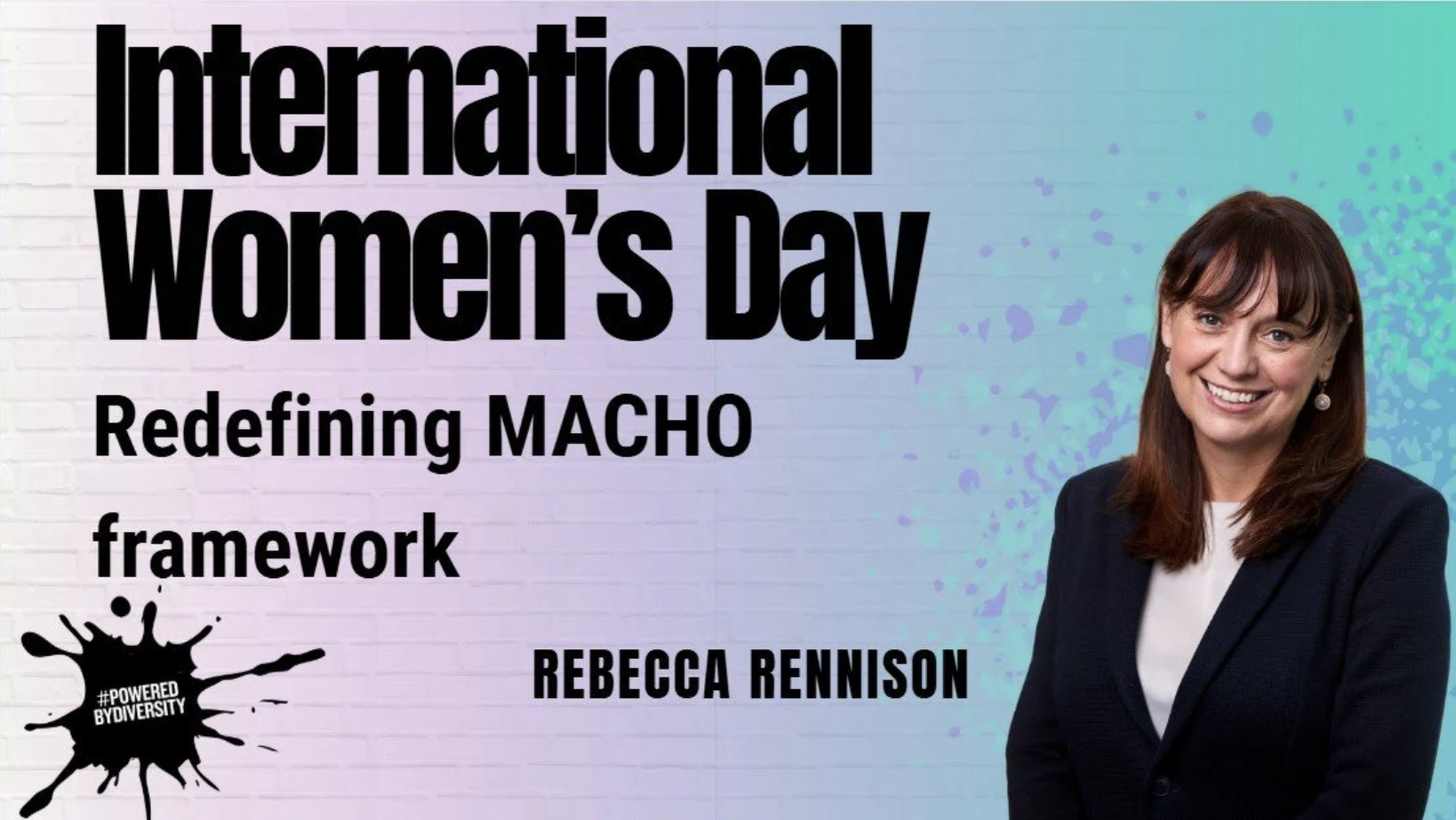
International women’s day
Redefining macho
Monday 9 March 2026
12:00 13:00
Not yet a member of Cultural Calendar Club? Join today or Contact Us.
Rebecca created the “Redefining MACHO” framework to encourage better male allyship and foster a more diverse and inclusive workplace. This framework consists of five simple, actionable steps that everyone can implement today to enhance DE&I within their organisations and the broader business community.
M = Meaningful Mentor
A = Amplify Awareness
C = Capture Confidence
H = Harmony with Home
O = Orchestrate Opportunities
Rebecca will discuss how this framework can unlock numerous small actions that collectively support the development of diverse teams, actively champion equity, and ensure that inclusion is experienced by all. She has conducted several “Redefining MACHO” workshops and events, gathering valuable feedback and real-life examples that provide a clear roadmap for change.
She will also share her “Work Life Harmony Handbook” and “Confidence Boosting Alphabet” to help SMASH Imposter Syndrome.