
Necessary conversations are rarely avoided because of the conversation itself.
Why this matters → (30 sec read)
Most people don’t avoid conversations because they don’t know what to say.
They avoid them because of what might happen after.
They imagine reactions, predict fallout and/ or assume conflict.
So the conversation gets postponed - waiting for the right time or the right wording.
In reality, it’s not really timing that’s stopping the conversation. It’s uncertainty.
For leaders → (30 sec read)
From the outside, delayed conversations can look like indecision or avoidance, but from the inside, they often feel like risk management.
People aren’t usually avoiding clarity — they’re avoiding emotional fallout, damaged relationships, or unintended consequences.
Understanding this can shift the question from:
“Why won’t they just sort this out?”
to
What might feel risky for them here?”
And this might be a much more useful place to start.
Mindset shift required?
We often tell ourselves stories about difficult conversations - that they’ll blow up or backfire, or damage trust…
One of the main things we do at Powered By Diversity is gather data around what’s really going on in the workplace and you’d be amazed at the number of times we see things not being raised because people believe raising it will make things worse rather than better.
What’s underlying this belief usually is that those stories we’ve told ourselves (for decades in many cases), that “raising it will make things worse” are rarely tested - because the conversations never happen.
Instead, we bottle up our feelings, bite our tongues and store up the the tension internally.
It turns all that stress, aggravation and ill feeling inward; people spend ages rehearsing conversations in their head. They second-guess themselves. They wait for certainty that never arrives (“I’ll do it after the holidays” then “I’ll do it when appraisal time is over”).
Ironically, the stress people are trying to avoid by not having the conversation doesn’t disappear — it grows!
When stress grows, all that energy we need to have the conversation (and do other things) is getting burned away, and this is one reason necessary conversations feel hard.
Not because people lack courage or skill, but because uncertainty can feel extra threatening when energy is already low.
Learning how to have these conversations well isn’t about being “tougher” or “more direct”.
It’s about reducing uncertainty — for yourself and for others.
reflection
Where might unspoken tension in the workplace (or outside of it!) be creating more stress than your actual work?
🔔 coming up on The Work Edit:
Tomorrow, your masterclass in Difficult Conversations is coming up!
🔔 Get Daily Insights to your inbox
Cultural Calendar Club
Your calendar of live events for the year.
join today for 12 Months of live, inspiring, entertaining talks events, made financially accessible for all organisations
Not yet a member of Cultural Calendar Club? Join today or Contact Us.
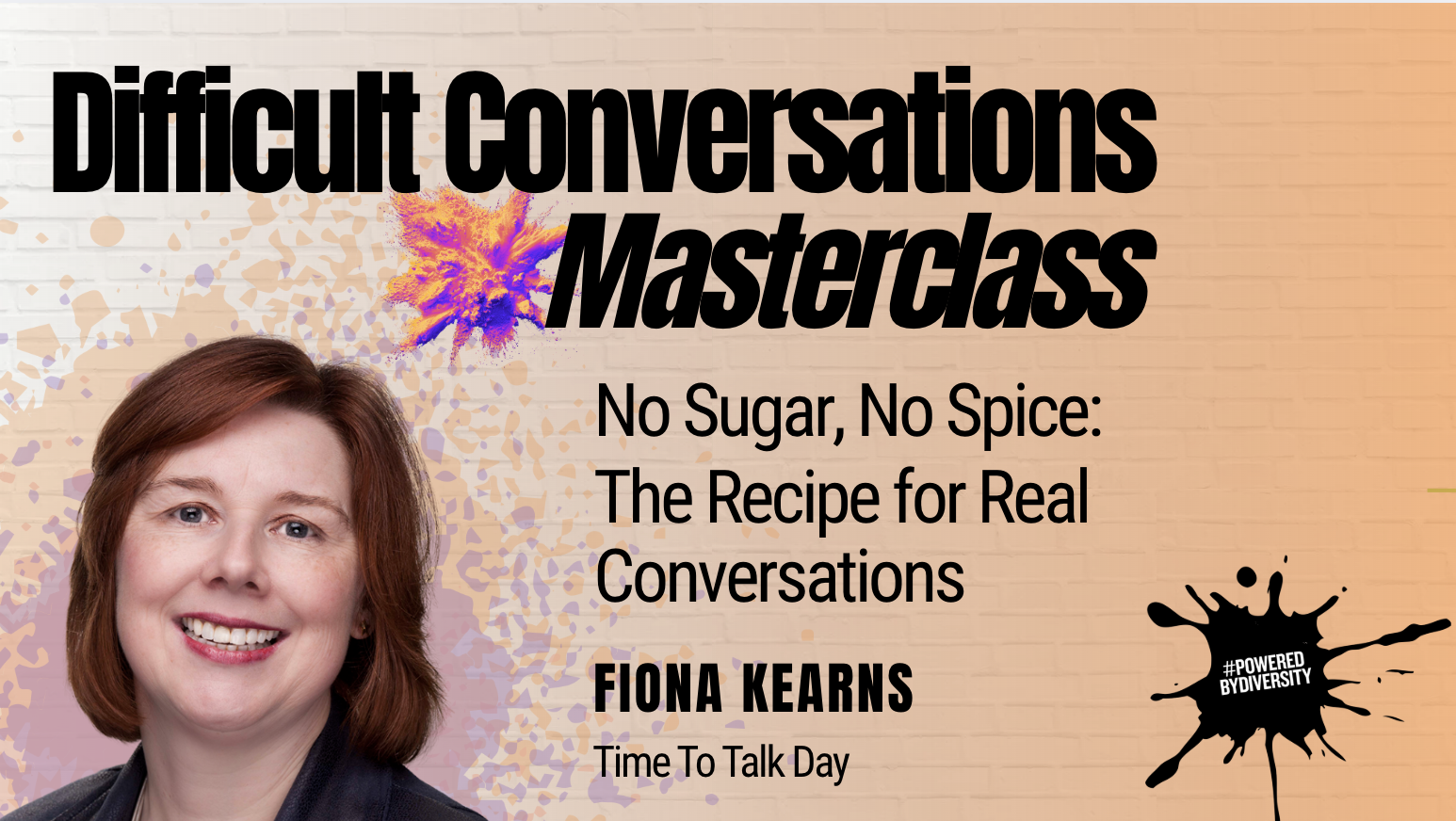
No Sugar, No Spice: The Recipe for Real Conversations
Thursday 5 February 2026
12:00 13:00
You might think avoiding tough conversations makes you kind or considerate. In reality, it’s holding everyone back—including you. Let’s face it: dodging discomfort doesn’t just affect you. It hinders your team and your organisation from reaching their full potential. By avoiding these moments, you deprive your team members of valuable feedback, stall their development, and miss opportunities to strengthen your working relationships.
It’s time to break the cycle. It’s Time to Talk.
In this masterclass, you’ll learn how to face these conversations head-on, adopt a practical and proven strategy, and build stronger, more productive connections.
Not yet a member of Cultural Calendar Club? Join today or Contact Us.