
Why this matters → (30 sec read)
Every workplace has rules that aren’t written down, from how to raise concerns (and who to raise them to) to what’s considered “professional”.
One perfect example I see all the time is when I talk to our customers about their dress codes. The answer I get most often is “we don’t have one”.
The way they dress is an unspoken rule…it’s expected to be just known, absorbed, assumed - common sense.
But what will happen when someone dresses “inappropriately”? Who will be the judge of the inappropriateness? How was the dresser to know it was inappropriate, if it was never made clear? And perhaps most importantly to consider, is it likely that the person deemed to be dressed inappropriately will be from a majority group in the company - or a smaller group?
Unspoken rules like these shape everyday experiences at work. When they’re left unexamined, the truth is that they tend to favour those already closest to power.
For others, work involves more than delivery. It involves constant guesswork and interpretation.
That interpretive work may not be visible — but it’s certainly costing a lot of effort.
For leaders → (30-second read)
Unspoken rules often persist because they feel efficient, they rely on an assumed ‘shared understanding’ rather than clear explanation.
But relying on assumptions to communicate isn’t going to land fairly for everyone.
Some people just know - or will pick it up straight away, others will be left to guess, experiment, try (and risk failure) and constantly self-monitor.
This creates uneven strain — not because people are sensitive, but because ambiguity requires energy.
Looking at it from this perspective, making the rules visible isn’t about control at all - it’s about reducing unnecessary cognitive load and creating fairer conditions for everyone.
Bringing it all together
Across the past few weeks, a clear pattern has emerged.
Stress at work doesn’t only come from workload, it also comes from navigating uncertainty, especially when the consequences of “getting it wrong” feel unevenly applied.
Unspoken rules shape how people speak, how safe they feel, and how much of themselves they bring to work.
They also shape whether things like comments, jokes, sketchy banter, microaggressions are challenged, dismissed, or quietly absorbed.
When rules stay invisible, harm becomes harder to name and easier to ignore.
Clarity isn’t just a leadership preference, it’s an important wellbeing practice.
Reflection
Where might unspoken rules be shaping behaviour or impacting safety, or belonging in your workplace?
What would change if those expectations were named instead of assumed?
🔔 coming up on The Work Edit:
Tomorrow, we’ll explore how focusing on impact helps reduce uncertainty, defensiveness, and silence at work.
Want to feel more confident talking about Race and other topics at work?
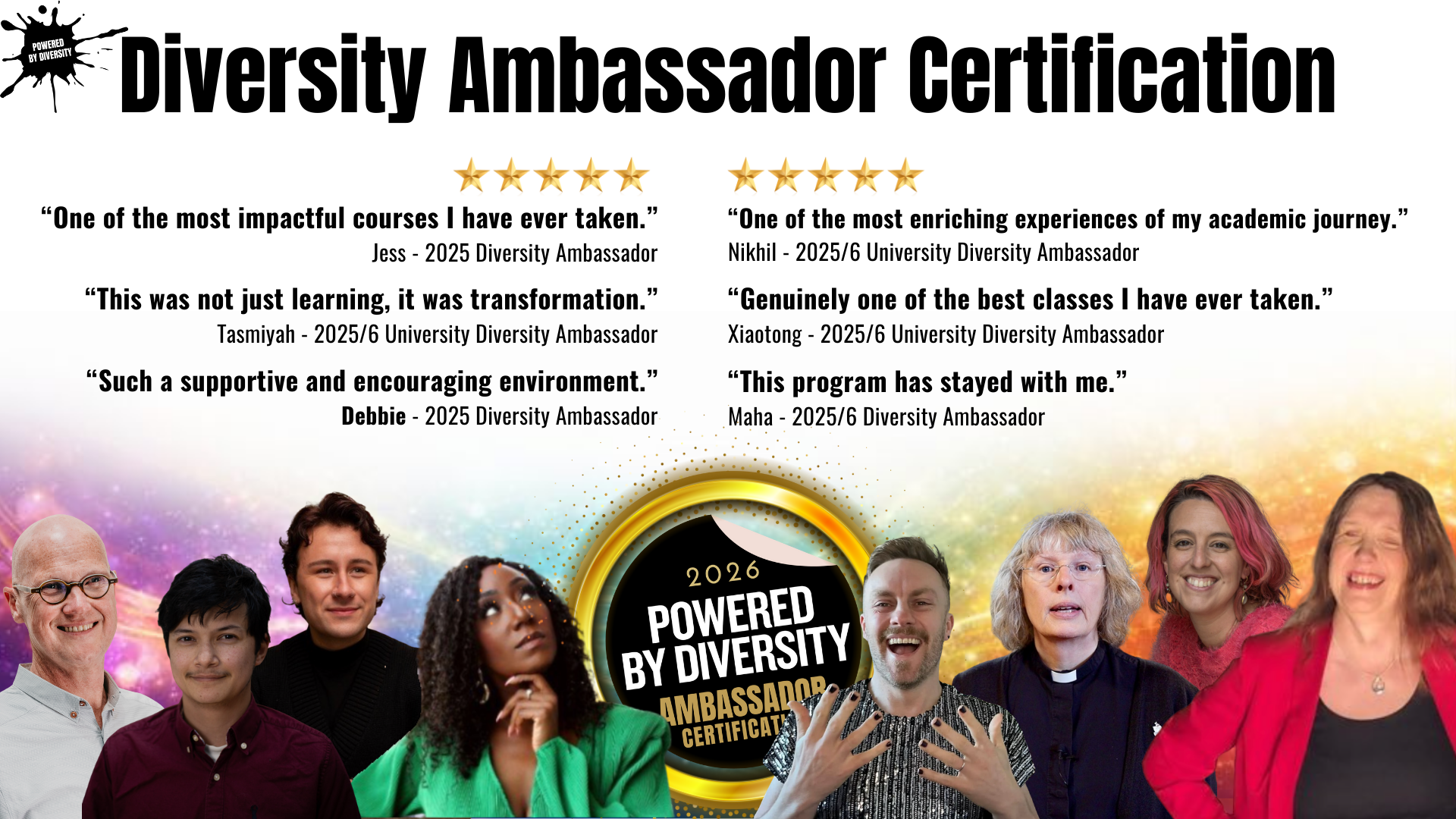
the 2026 Diversity Ambassador certification is now open for booking! 🎉
Six classes held via Teams | Every Thursday | from 12 - 1:30pm | From May 7th - June 11th
When are the Classes?
Thursday 7 May, 12-1:30 - Examining Beliefs - Foundations of EDI Thursday 14 May, 12-1:30 - Today's Sex & Equality Landscape
Thursday 21 May, 12-1:30 - Flags, Pronouns & Human Rights Thursday 28 May, 12-1:30 - Talkin' 'Bout my Generation
Thursday 4 Jun, 12-1:30 - Anti-ableist. Neuro inclusive. Access for all Thursday 11 Jun, 12-1:30 - Talking About Race Today
Click here to book your place! (please be aware the cohorts fill up quickly)
You can find out more here or Get in touch for a chat
coming up on Cultural Calendar Club
12 Months of live, inspiring, entertaining talks events, made financially accessible for all organisations
Not yet a member of Cultural Calendar Club? Join today or Contact Us.
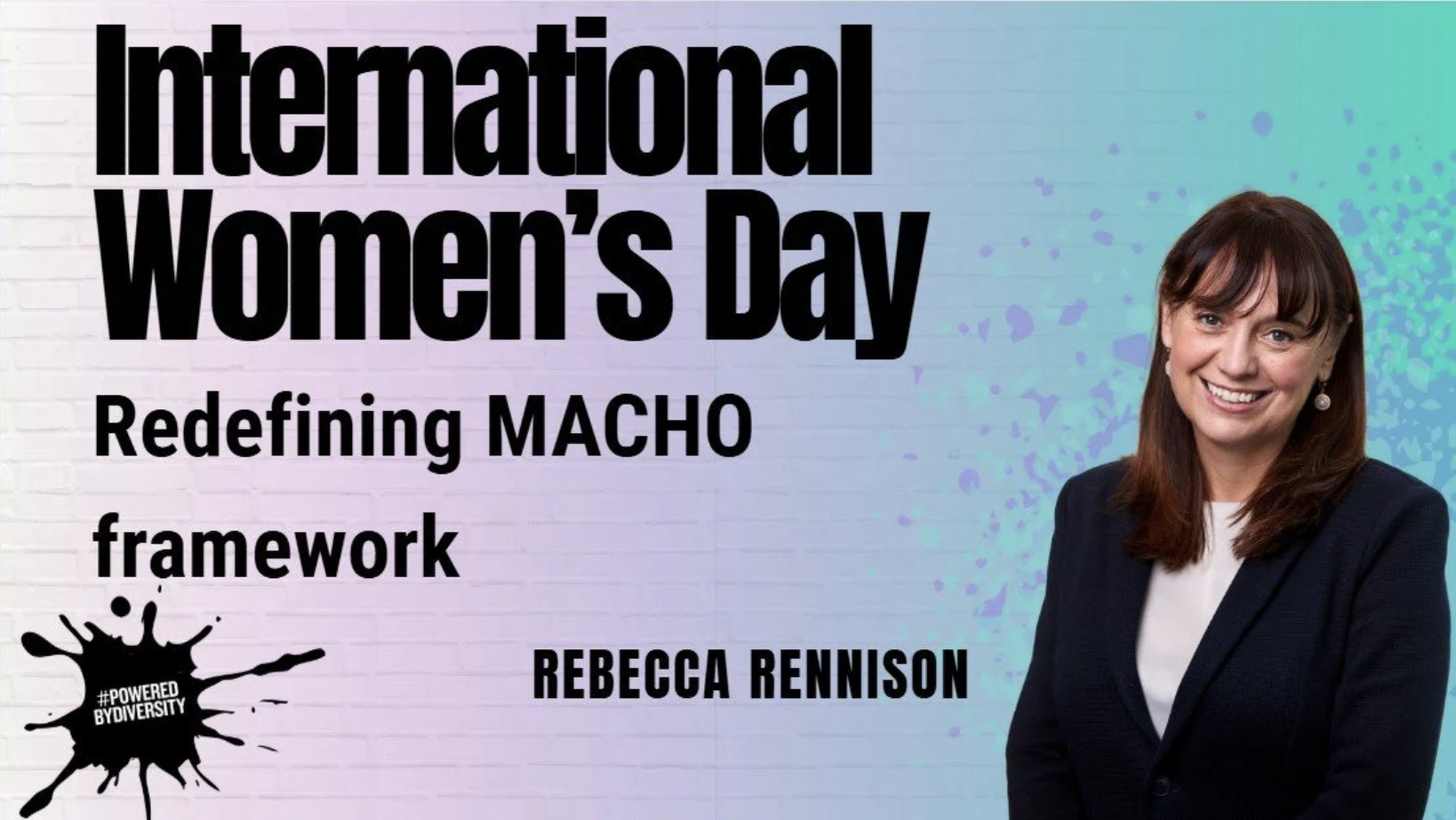
International women’s day
Redefining macho
Monday 9 March 2026
12:00 13:00
Not yet a member of Cultural Calendar Club? Join today or Contact Us.
Rebecca created the “Redefining MACHO” framework to encourage better male allyship and foster a more diverse and inclusive workplace. This framework consists of five simple, actionable steps that everyone can implement today to enhance DE&I within their organisations and the broader business community.
M = Meaningful Mentor
A = Amplify Awareness
C = Capture Confidence
H = Harmony with Home
O = Orchestrate Opportunities
Rebecca will discuss how this framework can unlock numerous small actions that collectively support the development of diverse teams, actively champion equity, and ensure that inclusion is experienced by all. She has conducted several “Redefining MACHO” workshops and events, gathering valuable feedback and real-life examples that provide a clear roadmap for change.
She will also share her “Work Life Harmony Handbook” and “Confidence Boosting Alphabet” to help SMASH Imposter Syndrome.