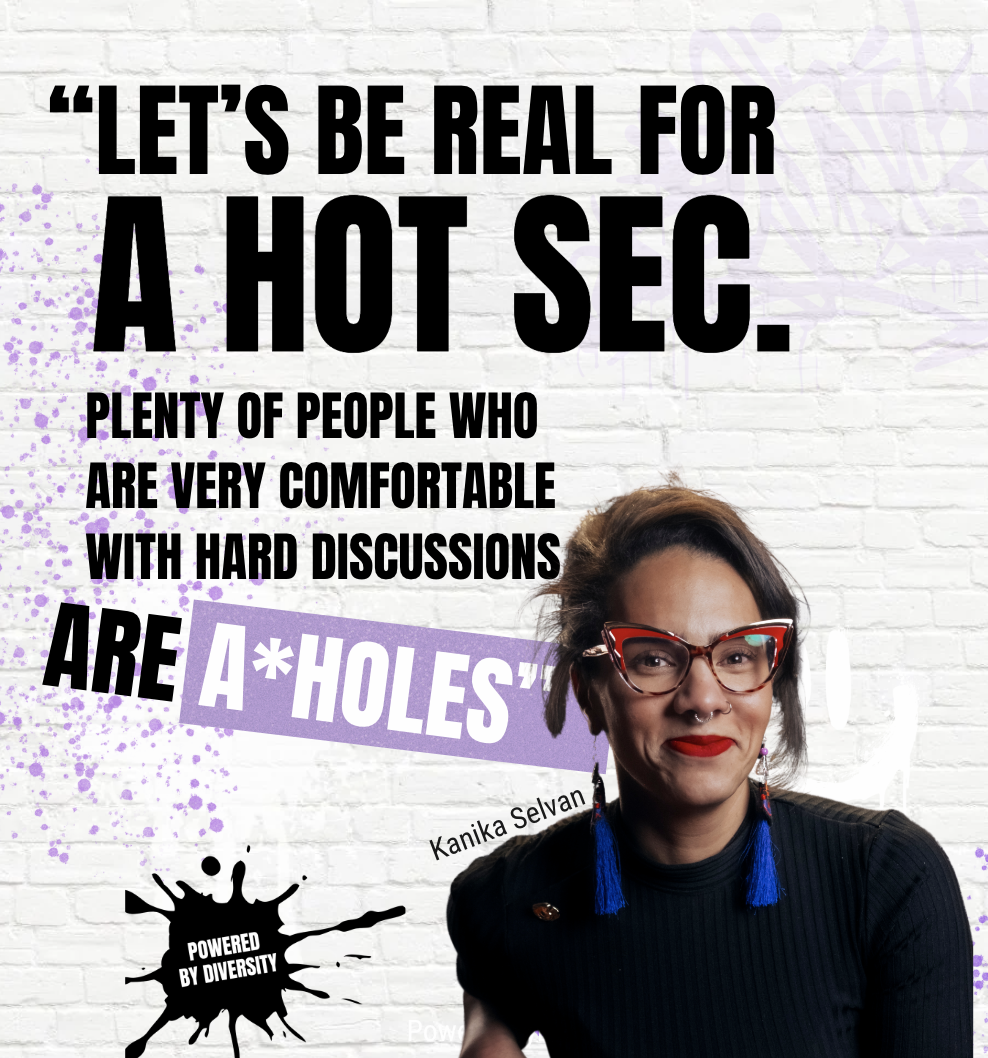
Kanika’s reflections on navigating difficult conversations as a neurodivergent person.
Difficult conversations aren’t really about courage. They’re about power, safety and consequence. When workplaces avoid hard discussions, the impact doesn’t disappear, it travels downward. In this piece, Kanika Selvan explores avoidance culture, discernment and why being “good” at difficult conversations is often a survival skill, not a personality trait.
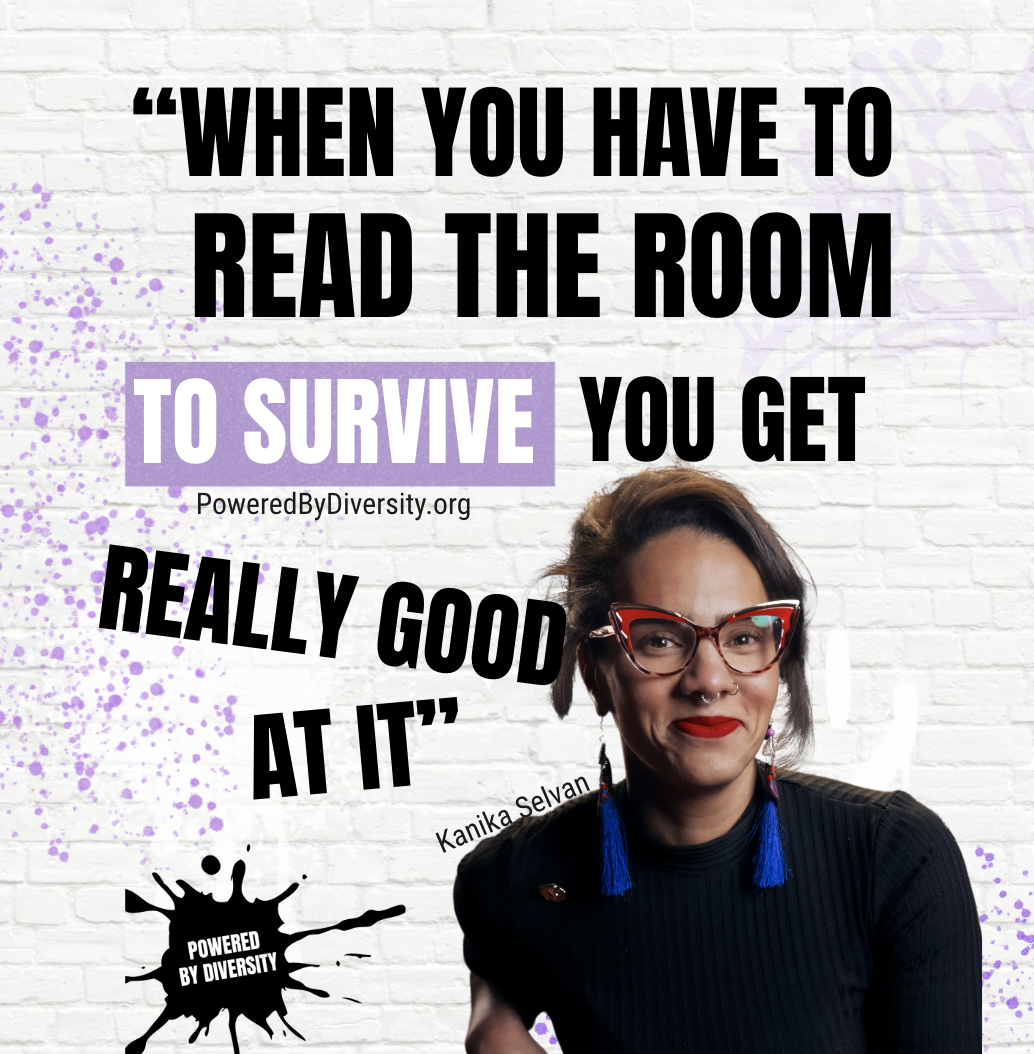
When you have to read the room…you get good at it.
Kanika Selvan doesn’t enjoy difficult conversations. She doesn’t train in it or sell a framework or package. But she is very good at them - because she’s had to be.
Sometimes difficult conversations aren’t confidence - they’re survival skills.
Neurodivergence, Culture and the Power of Workplace Acceptance
What happens when your culture doesn’t openly talk about ADHD…
In today’s video Amit Singh Kalley talks about how neurodivergence isn’t something widely discussed in his community.
When “It’s Just an Excuse” Isn’t the Truth.
When Amit Singh Kalley shared that colleagues told him he was using ADHD as an “excuse for bad behaviour,” it exposed a prevalent bias in many workplaces. Neurodivergence is too often framed as a character flaw, an excuse for behaving however you like, rather than a cognitive difference. Let’s talk about that today.
High-Trust Teams: Where Every Mind Performs
High performance doesn’t happen by accident. It’s built on clarity, autonomy and belonging. Neurodiverse by design means structuring work so every mind can perform - and when trust is high, performance follows.
Belonging Is Not Soft. It’s Strategic
Belonging at work isn’t about comfort, it’s about confidence. When psychological safety is present, contribution expands. High-trust teams design for clarity, autonomy and belonging so every mind can perform.
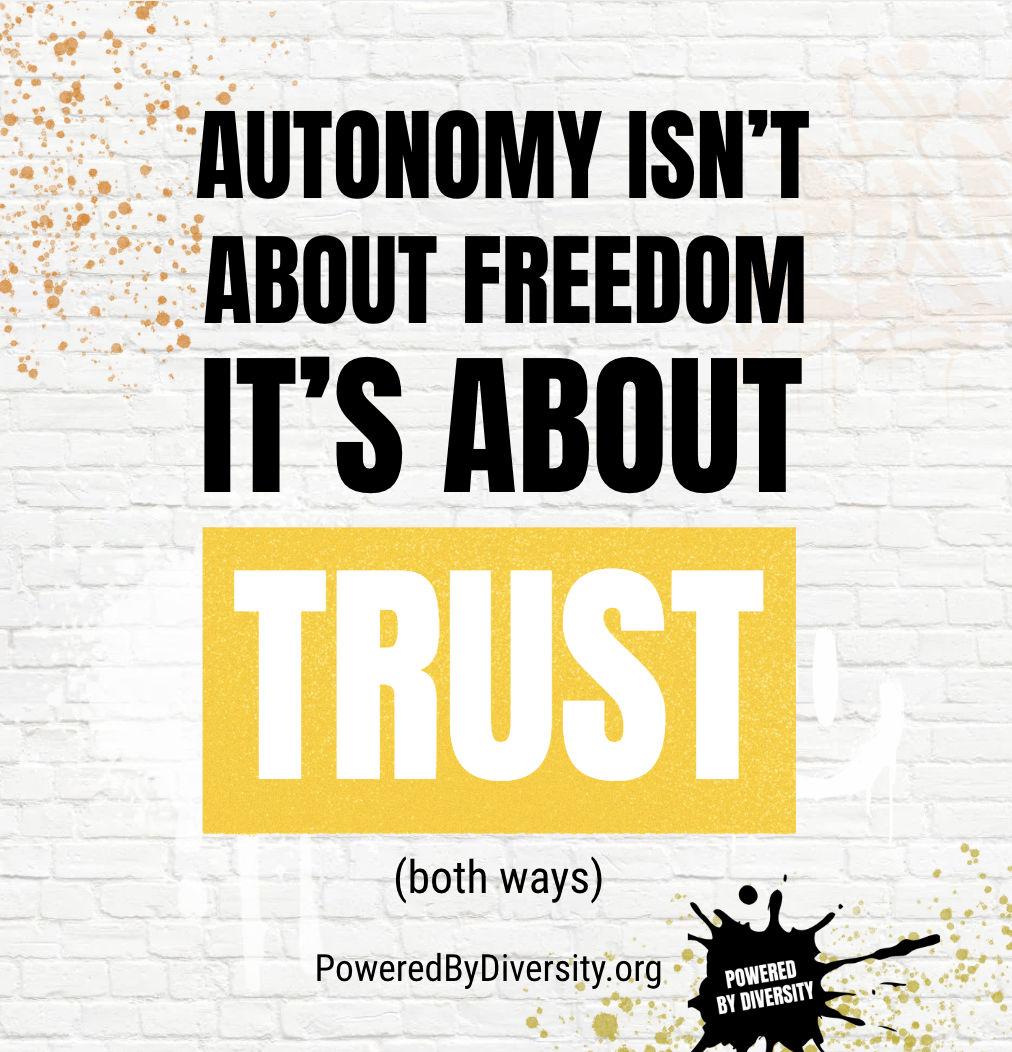
Autonomy Is Not About Freedom; It’s About Trust
Autonomy isn’t about lowering expectations or granting complete freedom - it’s about trust. Mutual trust. When leaders define outcomes clearly and flex control over how work gets done, performance and innovation increase across neurodiverse teams (and all teams).
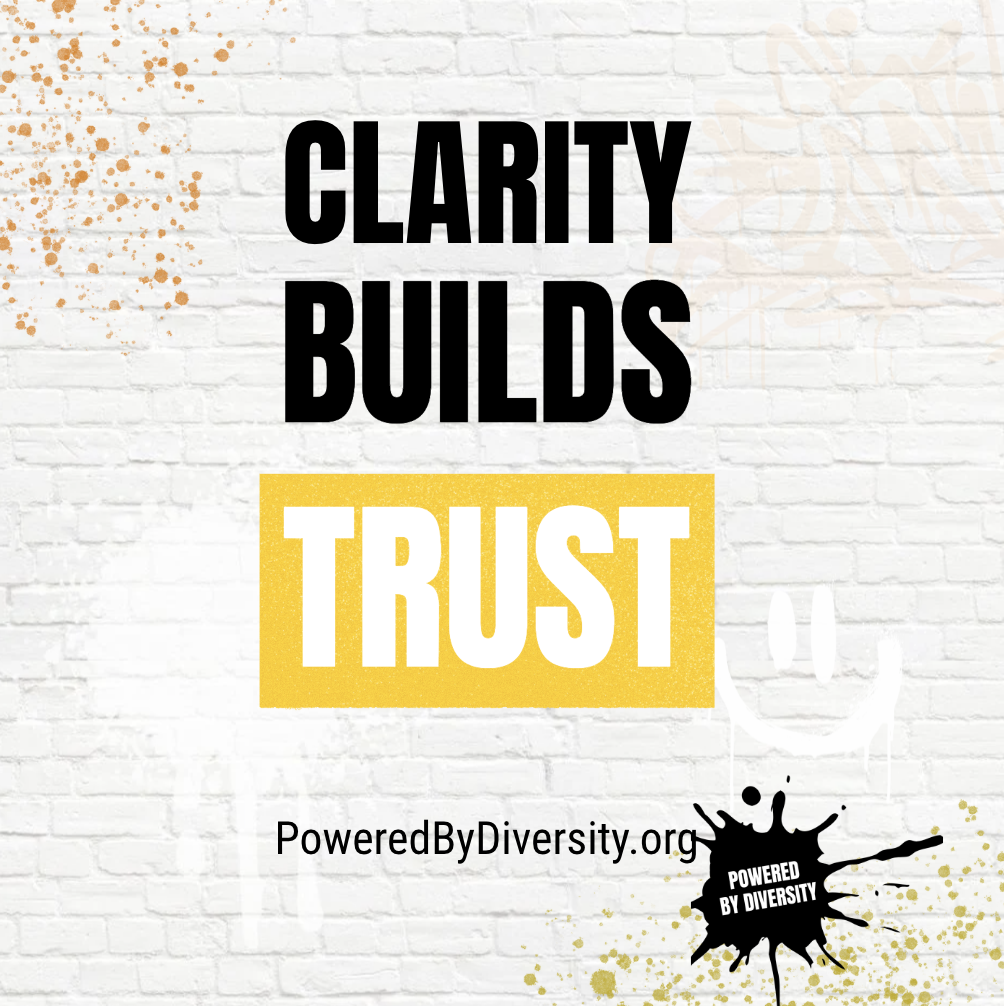
Ambiguity: the performance killer
Ambiguity at work is often mistaken for empowerment. In reality, unclear expectations and unspoken rules quietly erode trust and performance. Clarity isn’t micromanagement it’s a leadership responsibility that benefits every mind.
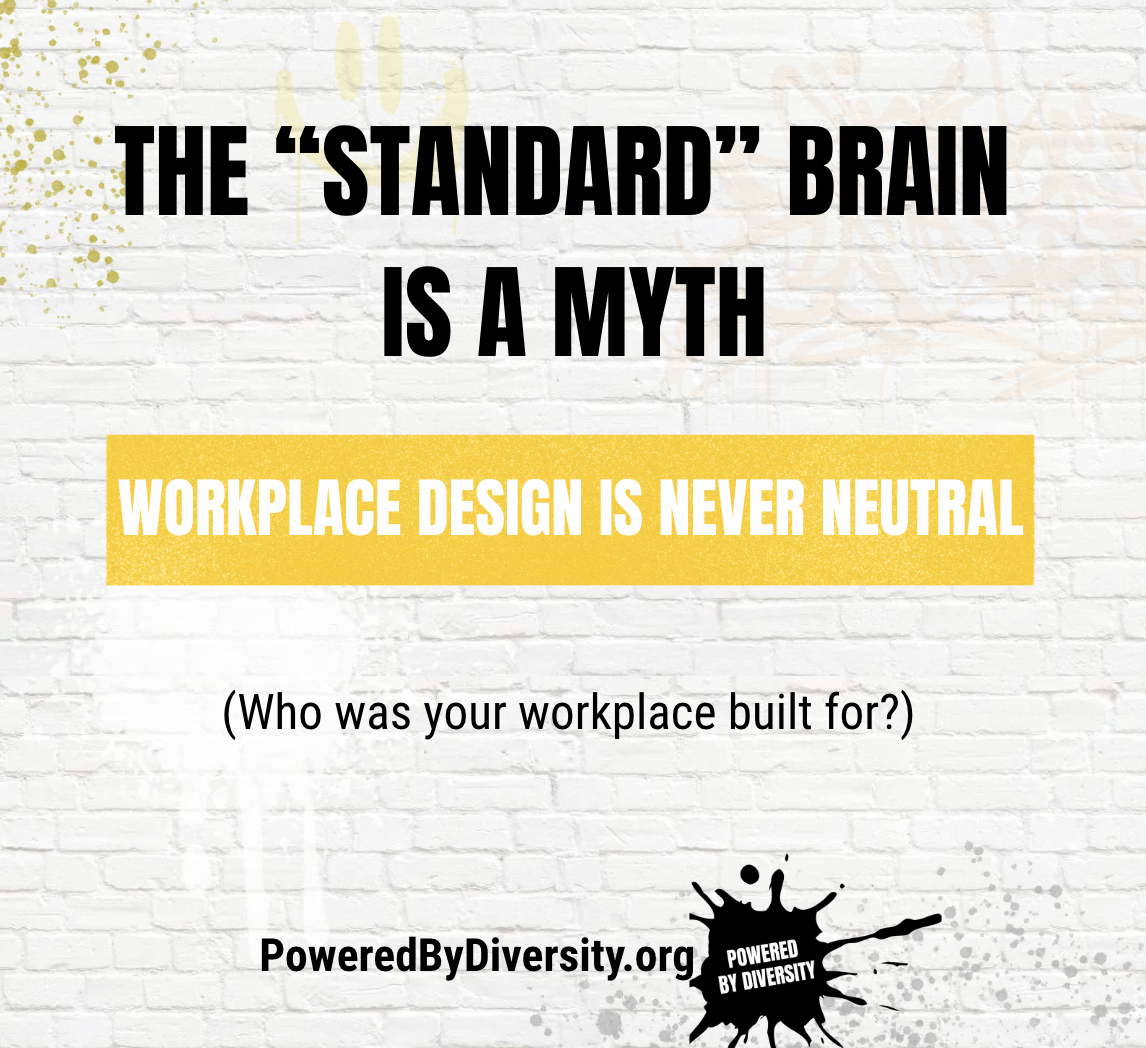
Equality Isn’t Just Who Is in the Room. It’s How the Room Works.
Workplace equality isn’t just about representation. It’s about how work is structured. When organisations assume a “standard” professional brain, others spend energy adapting instead of performing. Neurodiverse design isn’t a niche inclusion issue, it’s a performance strategy.
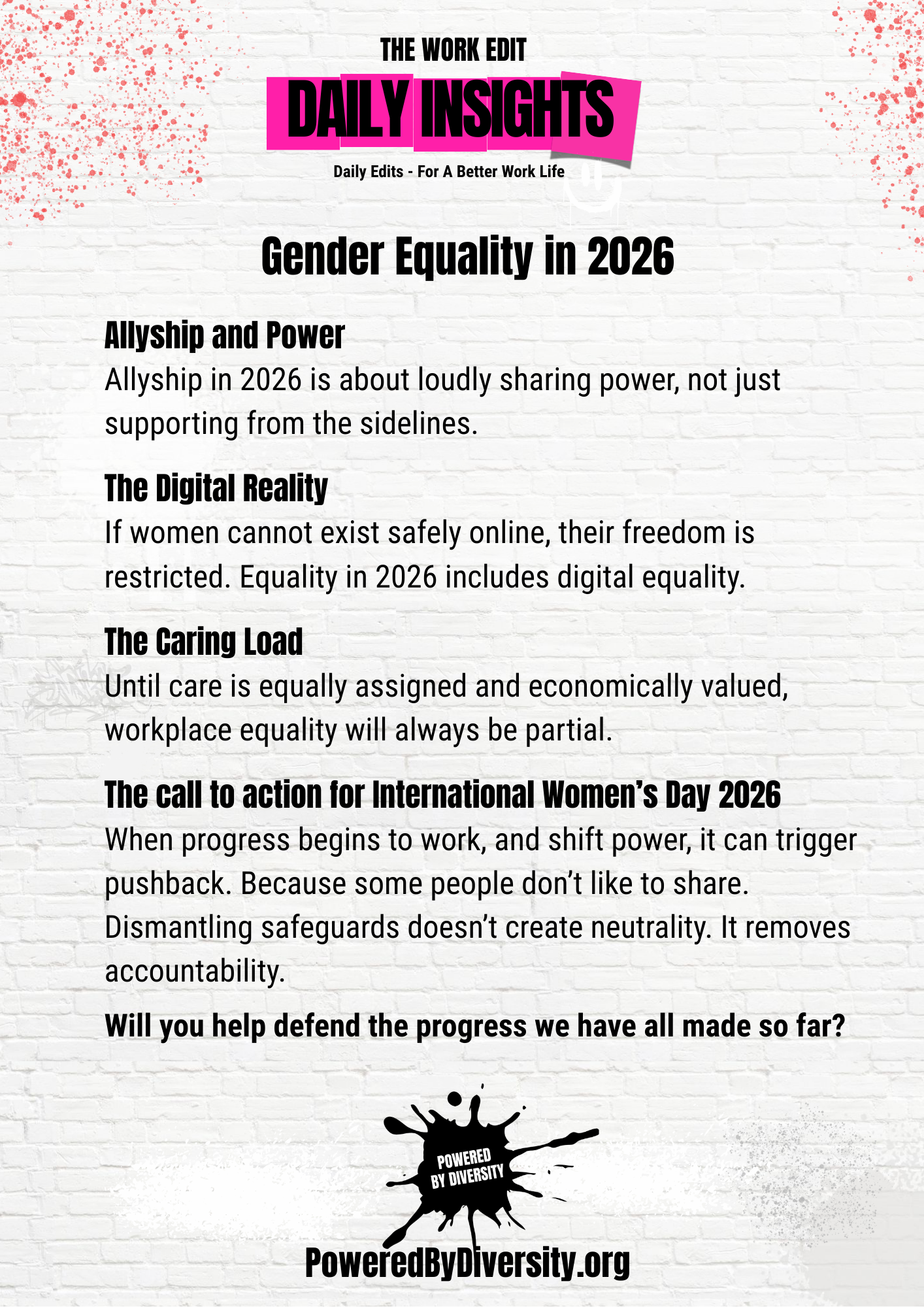
International Women’s Day Week: Priorities for Gender Equality in 2026…
This week, we explored four defining issues shaping equality in 2026: male allyship in the workplace, the dangers of social media for women and girls, the unequal parenting and caring load, and the growing challenge to equality protections.
These are not separate conversations. They are connected by one core question: who holds power — and who carries the cost?
If International Women’s Day is about accelerating action, then this is the action that matters…
When Progress Feels Threatening: Why Equality Protections Are Under Fire in 2026
Only 9 of the FTSE 100 CEOs are women.
The gender pay gap persists.
Mothers still face long-term earnings penalties.
Women still carry the majority of unpaid care.
This is not a society where equality has “gone too far.”
So why remove the protections?
Because equality shifts power.
The Parenting and Caring Load: The Invisible Inequality Facing Women and Girls
The parenting and caring load is often completely invisible yet women perform approximately 60% more unpaid work than men and provide an estimated £382bn worth of unpaid childcare each year.
The problem isn’t motherhood - or caring roles. It’s that care work is economically invisible and unequally assigned.
If we are serious about gender equality in 2026, we must talk about care.
The Dangers of Social Media for Women and Girls
As we mark International Women’s Day, we celebrate empowerment and equality - but we must also confront the dangers of social media for women and girls. From online harassment and cyberstalking to body image pressure and sexual exploitation, digital spaces present serious risks that disproportionately affect females. In this article, we explore the impact, the evidence, and what must change to create safer online environments.
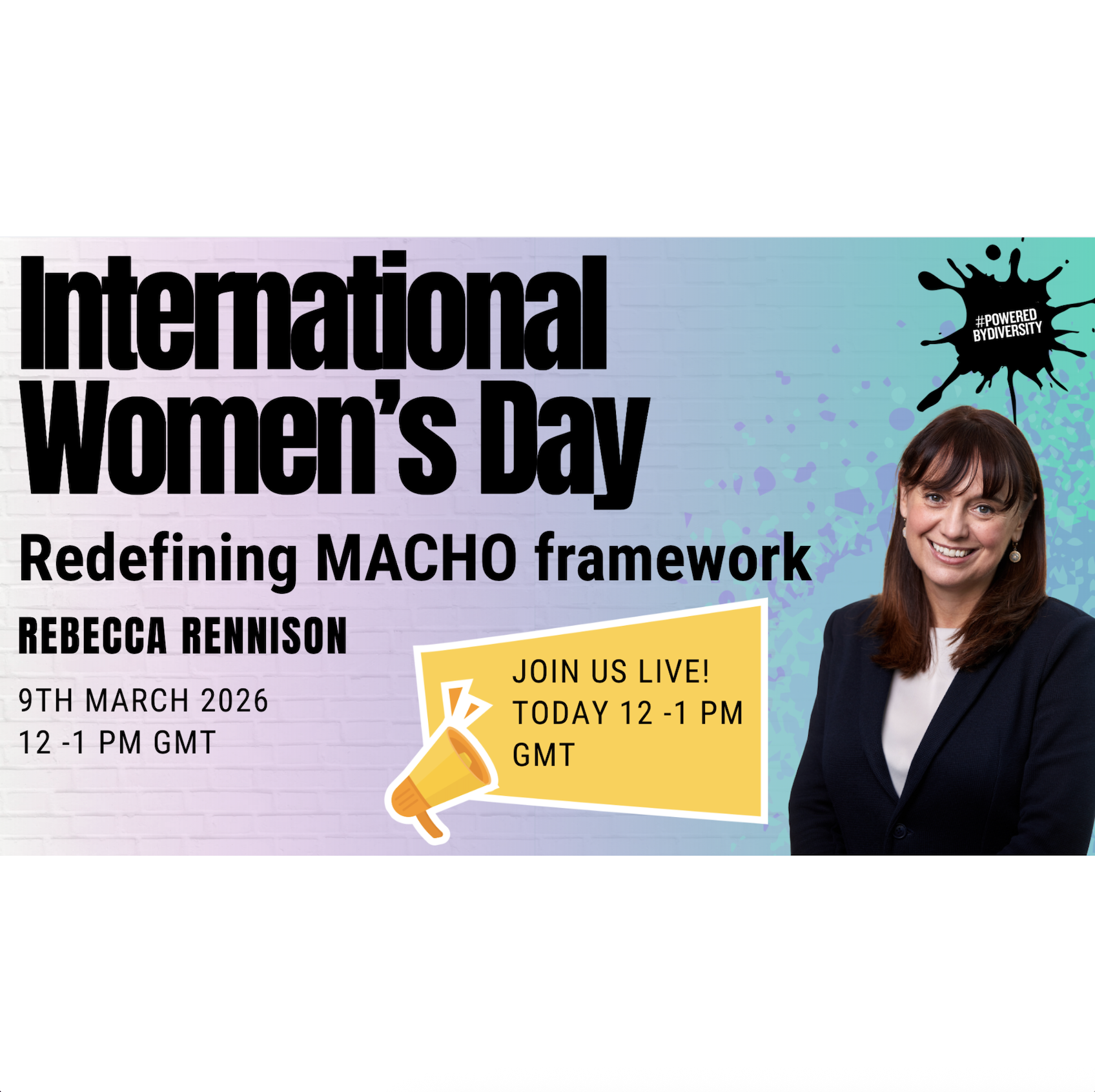
International Women’s Day 2026: From Conversation to Action
On International Women’s Day 2026, the conversation around gender equality must move beyond celebration and into action. While progress has been made, women continue to face barriers in leadership, confidence gaps, burnout, and workplace inequality.
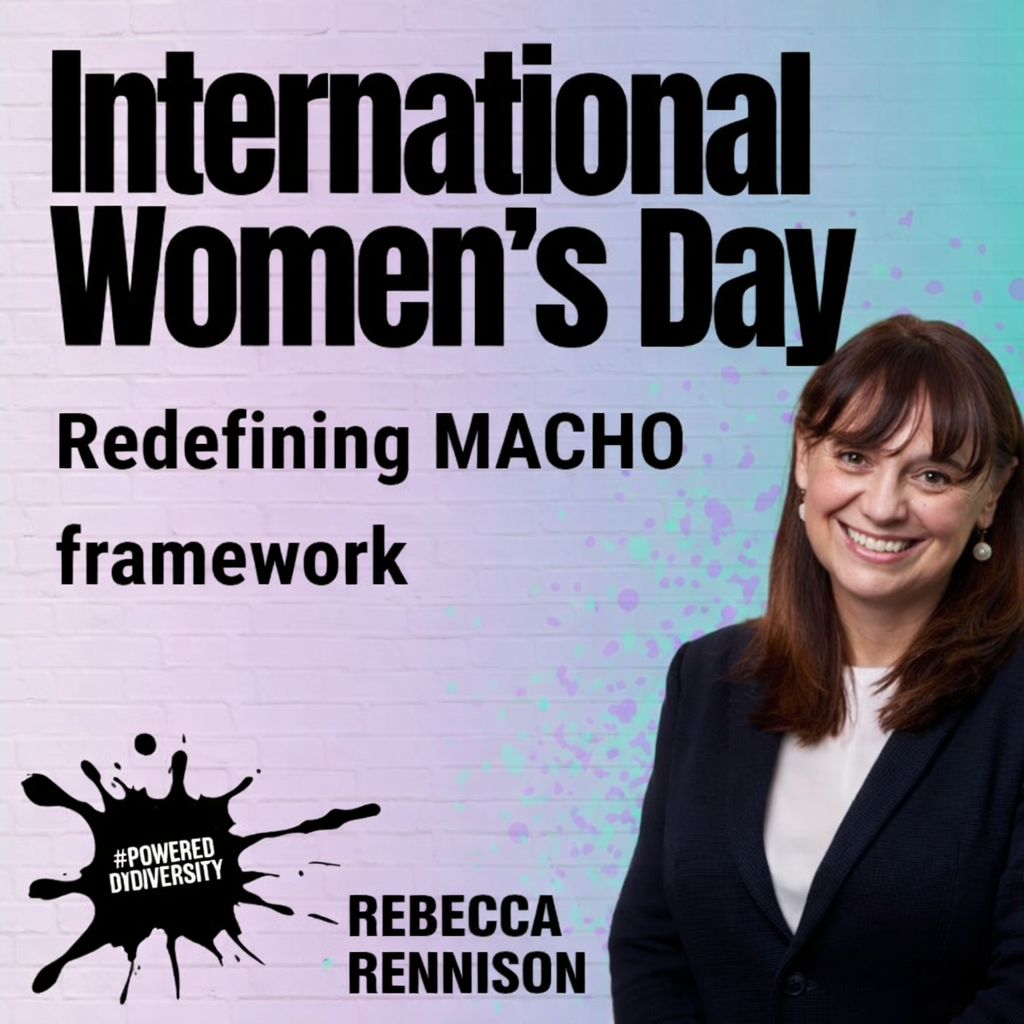
In today’s live event, Rebecca Rennison introduces her “Redefining MACHO” framework - five practical, actionable steps designed to strengthen male allyship and foster meaningful inclusion. From mentoring and amplifying awareness to orchestrating opportunities and harmonising work and home life, this session provides a clear roadmap for building diverse, equitable teams.
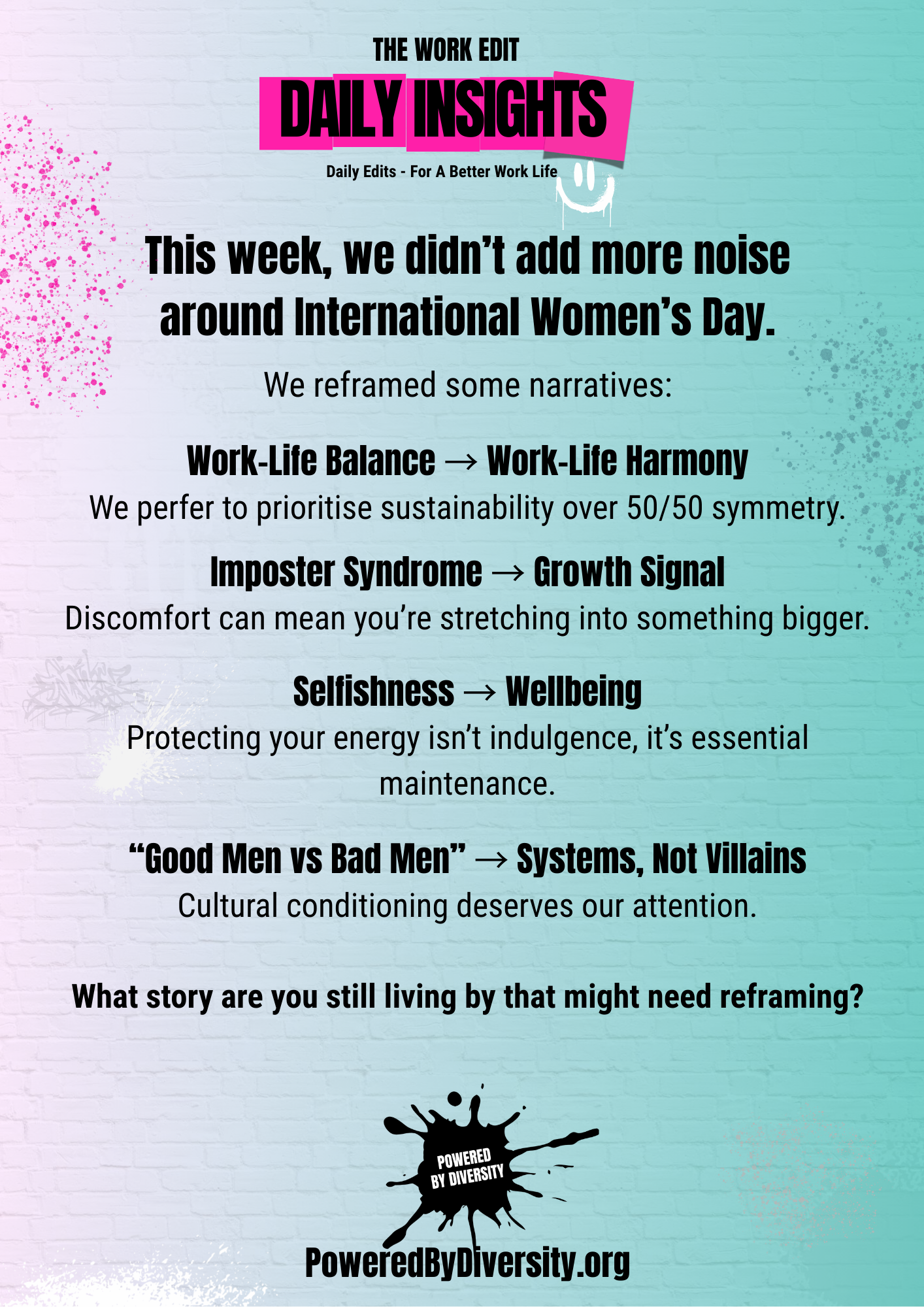
This Week, edited: less noise, more reframing
This week wasn’t about adding noise, it was about editing some ideas many of us have been carrying around for years.
Instead of chasing new frameworks, we paused to reframe the outdated ideas that could be influencing how we work, lead and parent.

Reframing: ‘good men’ versus ‘bad men’
It’s comforting to believe harm is caused by a few “bad men.”
But Virgina Mendez asks us to reframe this: What if the real issue isn’t individual monsters? What if it’s the systems and scripts shaping boys long before adulthood?
Reframing: selfishness
There’s a word that quietly holds many high performers back: selfish. For those juggling work, leadership, caregiving and invisible labour, prioritising yourself can feel indulgent, even wrong. But what if we’ve misunderstood it?

Reframing: imposter syndrome
For International Women’s Day, guest contributor Rachel Kennedy challenges us to rethink one of the most common (and misunderstood) workplace experiences.
Imposter syndrome isn’t rare and it certainly isn’t just a women’s issue. As Rachel shares, almost everyone, regardless of age, stage or seniority has felt that moment of doubt…
Reframing: work life balance
For years, we’ve been told to aim for balance, which implies a perfect 50/50 split between work and life, but careers are demanding. Families, health, caregiving, relationships, and community responsibilities are equally equally demanding (if not more demanding). When both sides matter deeply, balance can feel impossible - and exhausting. So we’re reframing it!
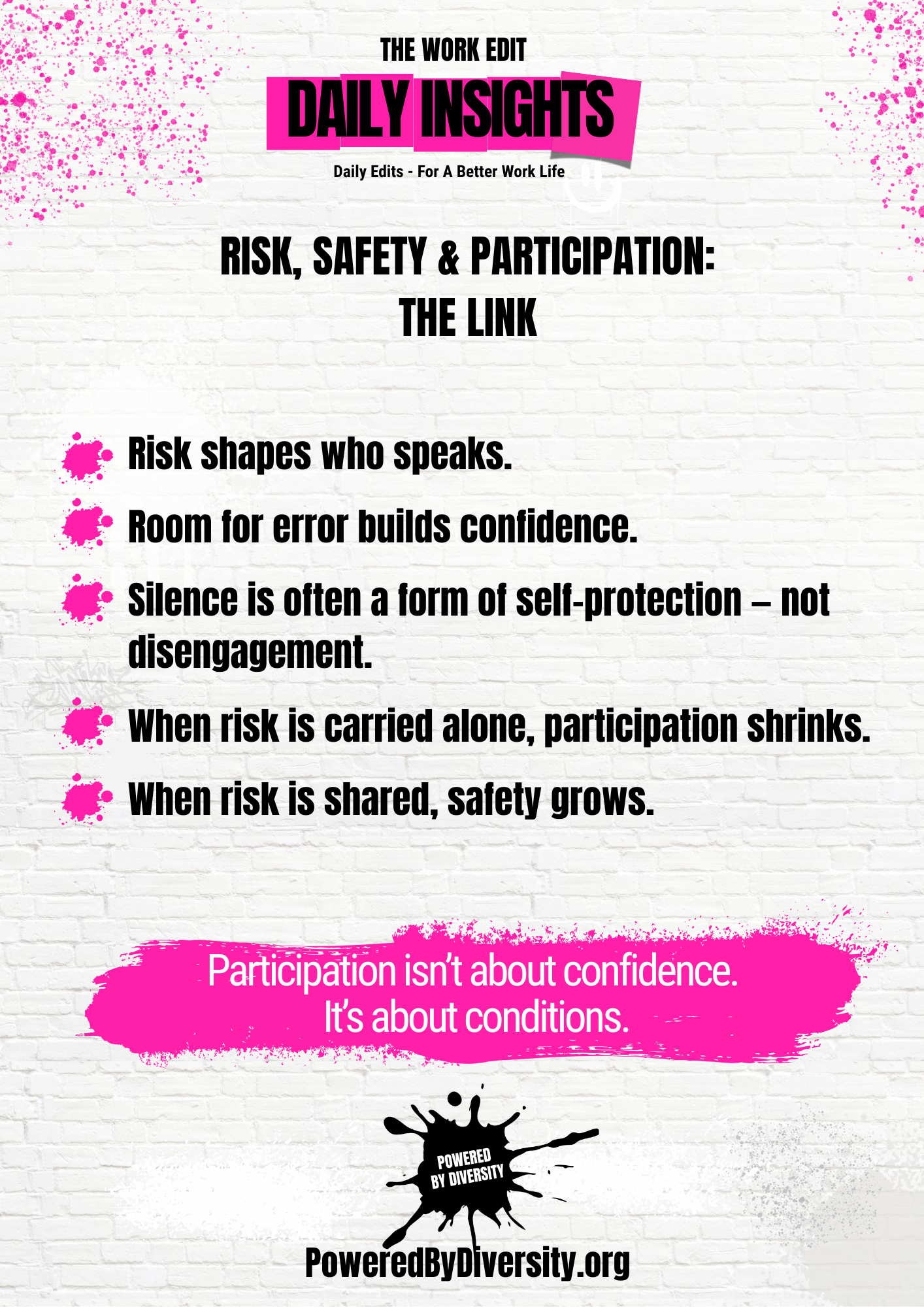
This Week, edited: Who gets to participate, and at what cost?
This week’s roundup - participation isn’t about confidence.
It’s about conditions.