Kanika’s reflections on navigating difficult conversations as a neurodivergent person.
Why this Matters for NEURODIVERSITY CELEBRATION WEEK AND AUTISM ACCEPTANCE week
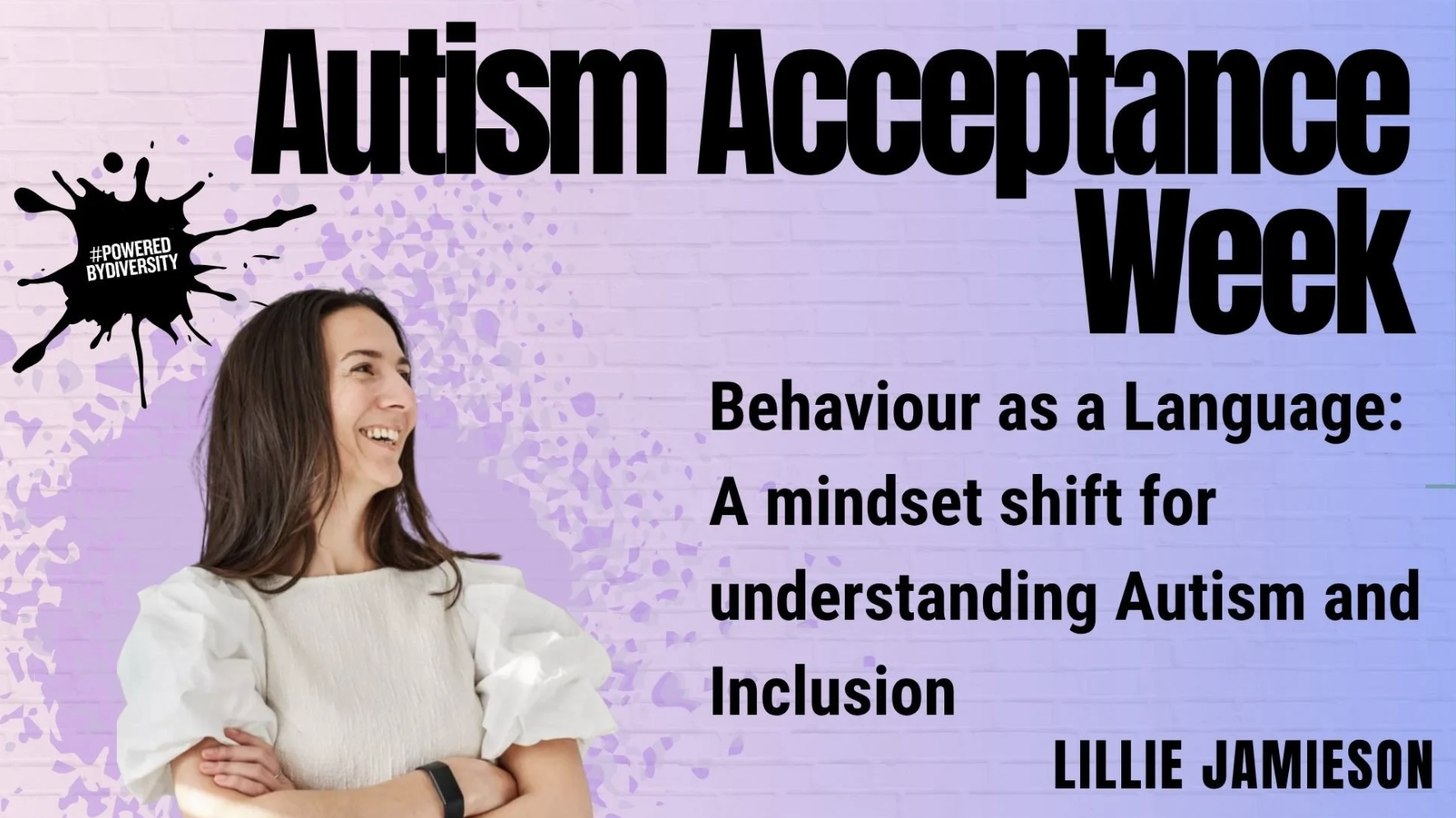
Join us next Wednesday (1st April) 12-1 for Cultural Calendar Club live event Understanding Autism & Inclusion: Book Your Place
Not yet a member of Cultural Calendar Club? Join today or Contact Us.
Conversations (yes, sometimes difficult ones) are vital for creating neurodivergent inclusive workplaces.
Kanika Selvan doesn’t romanticise them. She doesn’t sell a toolkit.
For Kanika, as an AuDHD person, difficult conversations aren’t about confidence, they’re necessary in order to create clarity and to work in systems that don’t distribute consequence evenly.
her observations in this piece shed light on why some people develop a radar finely tuned to what’s unsaid, and why that radar is often built from necessity, not preference.
What follows are Kanika’s reflections and observations on navigating difficult conversations as a neurodivergent person - layered, unapologetic and grounded in reality.
Kanika Selvan’s six observations on difficult conversations as a neurodivergent person
1: Difficult conversations aren't neutral
I have language for this. I stole it from a consultant I worked with briefly.
He said to me ‘something smells funny around here’. Now I say that. Not directly at people (!) or into the room in the moment - but after.
When I’ve been in a meeting, or part of a discussion, and then it happens. The smell lands.
Not like a crash or a sudden alarming moment, just one that wafts in so subtly the dog doesn't even blink.
But you glance over because you smell the thing.
Its a smell because you look around and think, did anyone else catch that?
I’m talking about that clear shift when the thing that doesn’t get said pops up, and the smell means, somewhere in that dynamic, a difficult conversation needed to happen before, should happen now - and if it doesn’t, it’s not going to go away.
I wish the big take-away here was that I can see the future!
But I’m not rocking witch vibes.
Its more like, I know the pattern. I know the smell, because of one harsh truth.
Avoidance of difficult discussions is really just a sign that we may be sitting within an avoidance culture.
More critically it means that the environment is raising a culture flag which says “we are okay with when a conversation is avoided even though the consequences don’t disappear.”
I smell the smell because when difficult conversations are needed, it’s most often when power, our individual comfort or internal politics feels more important than the consequences of inaction.
As a change consultant I know that when discussions are not had, the impact is most likely felt ‘downward’. It lands on direct reports, teams, those with less authority, protection or ability to push back.
In my line of work, once you’ve seen it play out enough times, delay stops feeling neutral. It feels like a choice. Because I already know that the conversation not had will return later.
2: Difficult Conversations; Could we call it A workplace skill?
I don’t think people dislike difficult conversations because they’re incapable or they lack skills. I think they avoid them because they don’t want to feel uncomfortable.
A difficult conversation usually means having to change your mind, deal with other people’s reactions/ emotions, interrogate something you’d rather leave alone (identity, sense of self, our inadvertent impact on others).
Most people hate to sit in awkwardness.
In my view its very British. We’re trained, socially and professionally, to do the opposite.
We are told it’s polite to default to mutual comfort, environments that don’t hold tension, ones that make people feel better.
Logically most of us would accept that progress requires us to navigate change. And they’d accept that change needs us to feel tension. I’d say that difficult conversations are absolutely key to how you move forward, work better together, and actually solve problems instead of circling them.
Sitting in silence is actually... staying comfortable.
3. Difficult Conversations; When the stakes are higher
The bit that shapes my perspective? For Black women, survival has always involved learning how to navigate difficult conversations safely.
Safety is no joke, for a bunch of different minoritised communities.
Have you ever joked about a black women’s Sass? Well, shout out to Dr. Brittney Cooper, who said that that Sass isn’t frivolous, she called it ‘eloquent rage’ but for the purpose of this topic, I would say that sass is a survival technique.
Why does it exist? Well because the sterotypes, the assumptions and the realities of difference isn’t something that she can just ignore. It’s staying safe, but holding tight to your own humanity and truth, when systems would punish that difficult topic delivered with any more directness.
For minoritised people, difficult discussions are a way of navigating HR processes that are harsher, legal consequences sharper, healthcare outcomes worse, and backlash more brutal. Its been overly proved with data that, these groups have to face real consquences of systemic failure and when the system isnt built or designed around you, you learn to prepare, to document, to shape how truth lands, especially when the message is difficult for the environment or system to metabolise.
4. Difficult Conversations; When pretending makes you twich
There are moments in organisations where everyone can see the thing; The process that isn’t working, the behaviour that’s causing damage, the decision that doesn’t make sense… and yet everyone collectively pretends otherwise.
Meetings continue. Slides get updated. Language is flexed to skirt around the problem.
The conversation keeps circling anything except the actual issue. That kind of pretending isn’t accidental; it’s a choice to prioritise comfort, hierarchy, or politics over shared reality.
What makes that moment intolerable to me isn’t personal irritation, it’s the fact that pretending, as a neurodivergent person, requires too much work for me.
Someone has to maintain the fiction.
Someone has to keep smoothing, translating, and absorbing the tension created by not telling the truth. And the longer that goes on, the more energy it drains from the system. Progress stalls, trust erodes, and people start working around the problem instead of through it.
That’s usually the point where a difficult conversation becomes necessary for me.
Not because I want to be disruptive, but because unreality - untruth is being actively upheld.
Difficult conversations, in this sense, aren’t about confrontation, they’re about restoring enough honesty for things to function again.
Because pretending might keep the peace in the room, but it slowly breaks the system underneath it.
People who are okay having difficult conversations aren’t necessarily braver than everyone else. They’re prepared. They’re deliberate. They know why they’re in the room and what they’re there to do. They’ve thought about the outcome they want, the constraints they’re working within, and the dynamics they’re stepping into. That’s not bravery; it’s intention.
They also practice.
Not in the sense of rehearsing speeches, but in learning how to land conversations properly. They know when to slow things down, when to be precise, and when to stop talking. They understand that being clear is kinder than being vague, and that avoiding discomfort often just pushes harm elsewhere.
What looks like ease from the outside is usually the result of effort you don’t see.
And crucially, they don’t confuse being liked with being kind. Kindness is about impact, not approval. It’s about choosing honesty when it matters, even if it costs you comfort in the moment. Difficult conversations done well aren’t about winning or being admired, they’re about doing the work that makes progress possible.
5. When being “up for it” doesn’t make you good at it
Let be real for a hot sec, even if you decide that you are a pro… being willing to have a difficult conversation does not automatically make someone thoughtful, skilled, or correct.
Plenty of people who are very comfortable with hard discussions are also just a**holes.
Being direct isn’t a virtue in and of itself, and it’s not a shortcut to being right.
A difficult conversation without care, preparation, or intent isn’t brave, lets be honest it’s ego.
My guidance here would be for you ask yourself, literally a sense check, inwardly.
Why do you want to have this conversation?
What are you actually trying to get to?
Is it clarity, movement, mutual understanding?
Have you been holding something in for years and now you are bottle of champagne and you are about to blow?
Because its on you to work out if a difficult conversation is just you unloading it because you are upset.
Being upset isn’t bad, but deciding its someone elses role to carry that… it needs conscious thought.
So ask yourself, Is this about the work, or about finally saying your piece? If you don’t interrogate that honestly, you’re not doing a difficult conversation, you are doing emotional offloading.
But life isn’t simple, hey. If you find yourself assuming that people who can speak to hard things are “bad”, “aggressive”, or “problematic”, it’s worth checking that internal reaction too. Often that judgment isn’t about them, it’s about your unexamined response to discomfort.
I wont pretend that there isn’t range here. The work is knowing the difference and not pretending that either end of that spectrum is something to aspire to.
6. Difficult Conversations; When you probably just shouldn’t
Difficult conversations aren’t for every meeting room, every person, or every moment.
They need conditions.
The setting matters. The inputs matter. The emotional state of the person you’re speaking to matters. Your own preparation matters.
Time to reflect, space to clarify, and a shared understanding of why the conversation is happening in the first place all matter.
Without that, you’re not being brave, you’re being reckless.
Before I land a difficult conversation now, I ask myself a few very practical questions.
What do I actually want to get from this? Understanding? Change? A decision?
And are the pre-requisites for that outcome in place? Can this person listen? Is there capacity to hear something uncomfortable? Is there any realistic chance this turns into movement, rather than defensiveness or fallout?
If the answer is no, then we cant charge ahead for the big discussion.
And then there’s safety. Yours, and theirs. Because difficult conversations don’t land in a vacuum, they land inside power dynamics, histories, and bodies.
If those dynamics are ignored, or impact is dismissed just to tick off that a “conversation was had”, you’re not doing good work, you’re creating risk. If it isn’t safe for you to speak, or for them to hear without becoming defensive or dysregulated, then pushing ahead isn’t brave. It’s a waste of energy, and often an unsafe one.
So sometimes the right move is to know when not to have the difficult conversation and get deliberate with when, how and with what conditions.
We build the skill of discernment the best we can and learn that we need to shape environments and the conditions to hold the discussion the best we can.
If the conditions aren’t there, restraint isn’t weakness; it’s good judgment.
🔔 coming up on The Work Edit:
Tomorrow: Neurodivergence and difficult conversations: Kanika’s Top 5 Learnings
Want to feel more confident talking about neurodiversity and other topics at work?
Click here to book your place! (please be aware the cohorts fill up quickly)
You can find out more here or Get in touch for a chat
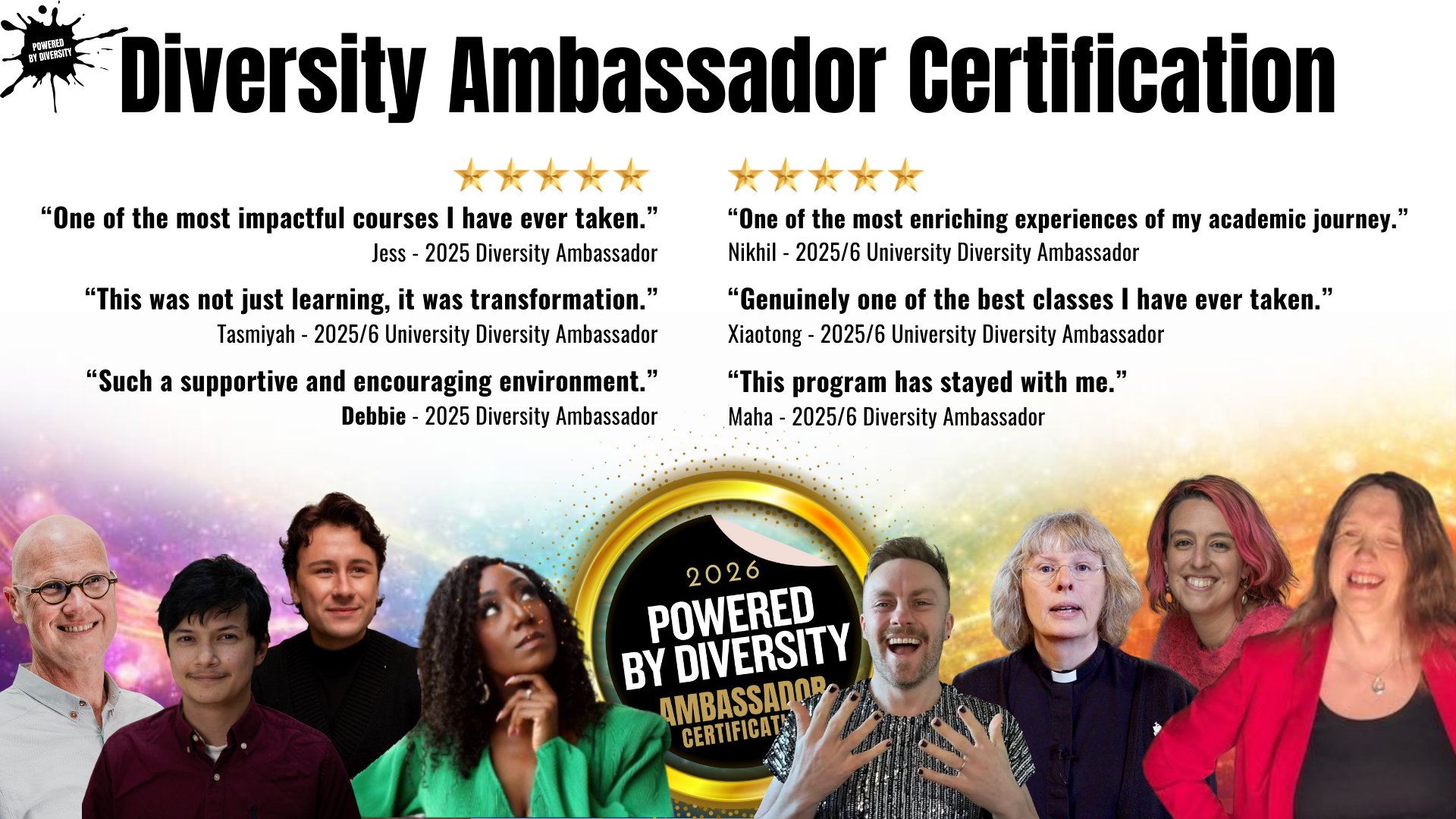
the 2026 Diversity Ambassador certification is now open for booking! 🎉
Six classes held via Teams | Every Thursday | from 12 - 1:30pm
Class Schedule:
7 May, 12-1:30 - Examining Beliefs - Foundations of EDI
14 May, 12-1:30 - Today's Sex & Equality Landscape
21 May, 12-1:30 - Flags, Pronouns & Human Rights
28 May, 12-1:30 - Talkin' 'Bout my Generation
4 Jun, 12-1:30 - Anti-ableist. Neuro inclusive. Access for all
11 Jun, 12-1:30 - Talking About Race Today
coming up on Cultural Calendar Club
12 Months of live, inspiring, entertaining talks events, made financially accessible for all organisations
Not yet a member of Cultural Calendar Club? Join today or Contact Us.
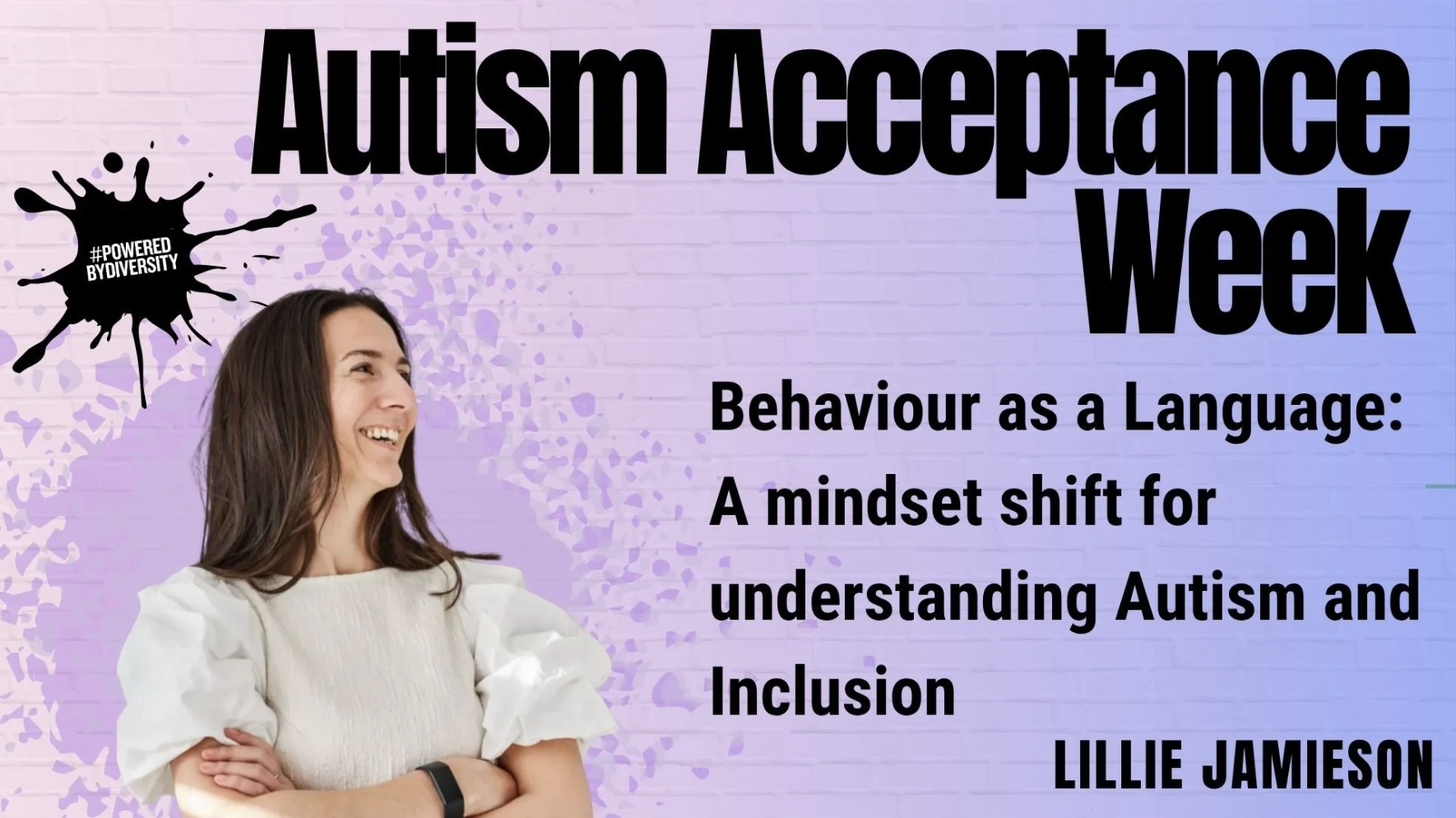
Autism Acceptance Week
Behaviour as a Language: A mindset shift for understanding Autism and Inclusion
Wednesday 1 April 2026
12:00 13:00
Not yet a member of Cultural Calendar Club? Join today or Contact Us.
In most workplaces, behaviour is judged before it’s understood. A quiet colleague might be labelled disengaged, a perfectionist seen as rigid, or someone avoiding social events described as uncooperative. But what if these behaviours aren’t attitude problems - they’re messages?
In this thought-provoking session, we’ll explore how behaviours often communicate underlying needs, stress, or sensory differences, particularly within the context of autism and neurodiversity. From withdrawal and burnout to over-accommodation and people-pleasing, participants will learn to view behaviour as a form of language rather than a performance metric.
Through relatable examples and practical strategies, this talk challenges the traditional “fix the behaviour” mindset and replaces it with curiosity, empathy, and understanding. Attendees will walk away with tools to:
Recognise what behaviour might be communicating.
Create environments that reduce stress and misunderstanding.
Foster trust, inclusion, and authentic engagement.
By shifting from judgement to interpretation, we unlock a more human, inclusive, and compassionate approach to working with all kinds of minds.