Neurodivergence, Culture and the Power of Workplace Acceptance
Why this Matters for NEURODIVERSITY CELEBRATION WEEK AND AUTISM ACCEPTANCE week
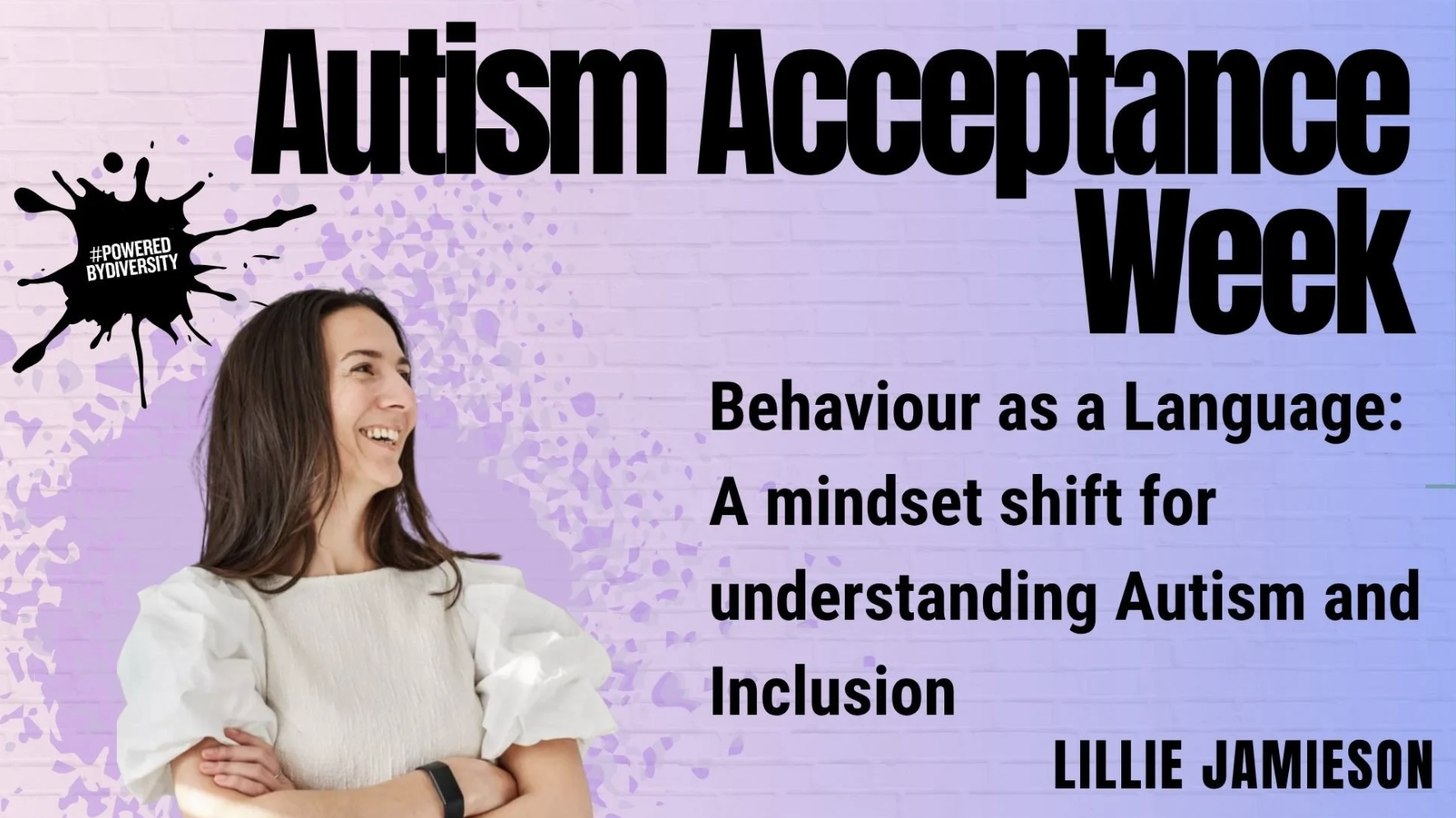
Join us next Wednesday (1st April) 12-1 for Cultural Calendar Club live event Understanding Autism & Inclusion: Book Your Place
Not yet a member of Cultural Calendar Club? Join today or Contact Us.
In his follow-up 2.5 minute reflection video (below), Amit Singh Kalley shares something even more layered:
“Look at me, I’m a turban-wearing Sikh man. We don’t really do very well in our culture talking about these kinds of things.”
ADHD, neurodivergence, mental health…In many communities, these topics are still quiet.
Sometimes minimised, misunderstood, wrapped in stigma or as Amit describes sometimes there aren’t even words to communicate it:
“In my mother tongue, Punjabi, it’s difficult to translate ADHD and explain what it is”
When neurodivergence isn’t openly acknowledged in your cultural context, naming it requires even more courage.
But what happens if the workplace — the place that should understand — rejects it too?
Neurodiversity conversations often assume neutrality, but everyone’s identity is layered; Race, religion, gender, culture, language, family expectations, age…
For some people, acknowledging neurodivergence means a personal struggle, for some it means pushing against cultural silence.
When Amit says that his culture doesn’t openly discuss these things, he’s not criticising it. He’s simply naming reality - and that reality makes workplace response even more important.
Why this matters → (30 sec read)
If your community doesn’t openly talk about ADHD or neurodivergence, you may already feel alone in understanding your own experience.
Work can become the one place where clarity feels possible, the one place where language exists, a place where people are trained in neurodivergence, a if not expertise, then at least understanding and acceptance should sit — especially in professions neurodivergent talent would naturally gravitate towards.
If that environment responds with dismissal or suspicion, the message compounds: “Not here either.”
That’s not just disappointing, it can be completely destabilising.
Belonging at work isn’t just professional - for some people, it’s psychological safety that doesn’t exist anywhere else.
for leaders → (30 sec read)
When someone shares a neurodivergent identity, they may also be navigating cultural stigmas.
As a leader, your response doesn’t exist in isolation, it lands on top of everything else.
What if your team was the first environment where someone felt fully accepted?
BRINGING IT ALL TOGETHER
Neurodiversity is not separate from culture, it’s experienced within it.
When workplaces respond with curiosity instead of dismissal, they can become stabilising environments in a world where understanding isn’t guaranteed.
And that can matter more than we realise.
REFLECTION
If someone’s cultural context makes neurodivergence harder to talk about, how might your response carry more weight than you think?
🔔 coming up on The Work Edit:
Tomorrow: We learn skills when we have to: Neurodivergence and difficult conversations.
Want to feel more confident talking about neurodiversity and other topics at work?
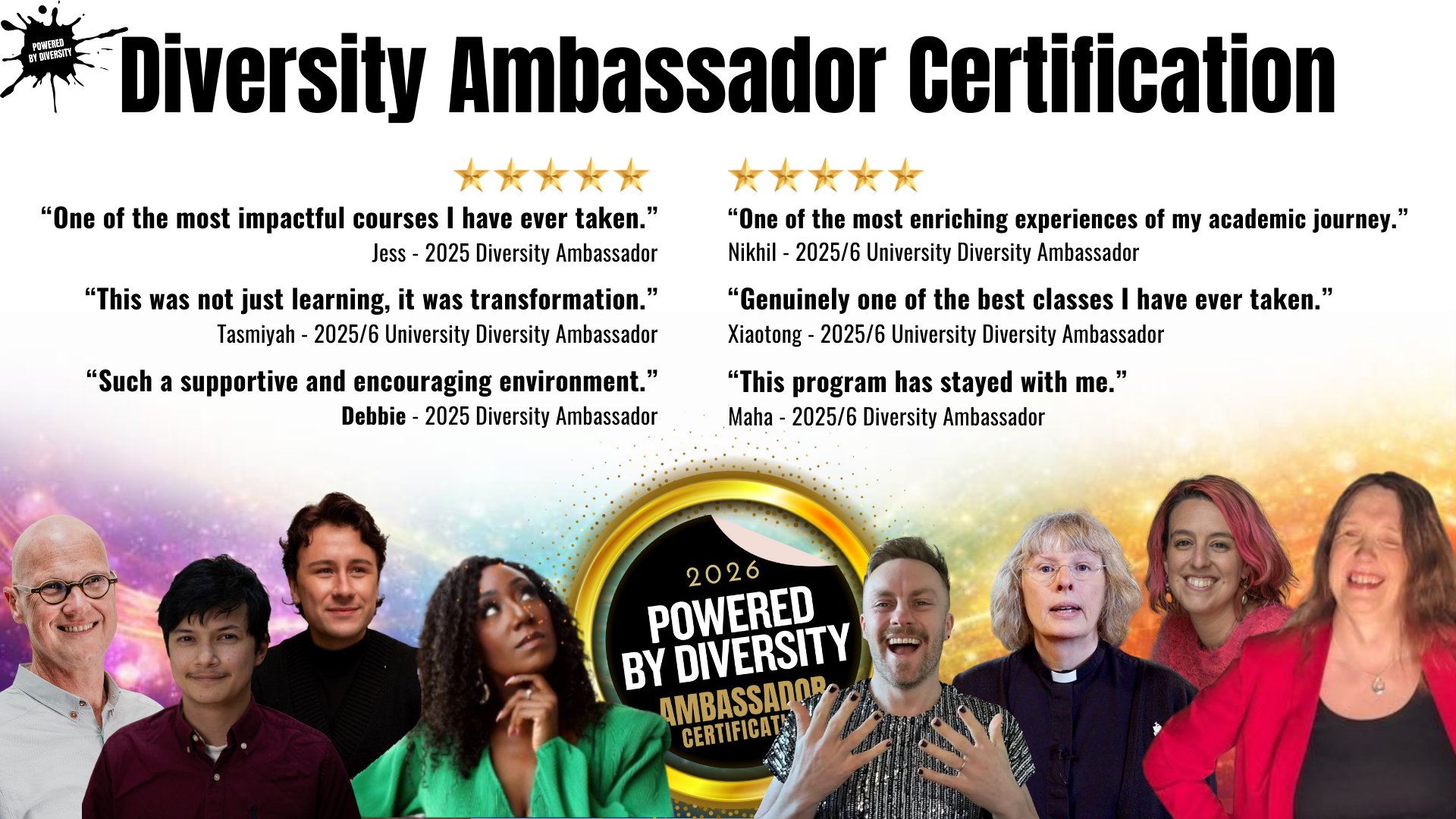
Click here to book your place! (please be aware the cohorts fill up quickly)
You can find out more here or Get in touch for a chat
the 2026 Diversity Ambassador certification is now open for booking! 🎉
Six classes held via Teams | Every Thursday | from 12 - 1:30pm
Class Schedule:
7 May, 12-1:30 - Examining Beliefs - Foundations of EDI
14 May, 12-1:30 - Today's Sex & Equality Landscape
21 May, 12-1:30 - Flags, Pronouns & Human Rights
28 May, 12-1:30 - Talkin' 'Bout my Generation
4 Jun, 12-1:30 - Anti-ableist. Neuro inclusive. Access for all
11 Jun, 12-1:30 - Talking About Race Today
coming up on Cultural Calendar Club
12 Months of live, inspiring, entertaining talks events, made financially accessible for all organisations
Not yet a member of Cultural Calendar Club? Join today or Contact Us.
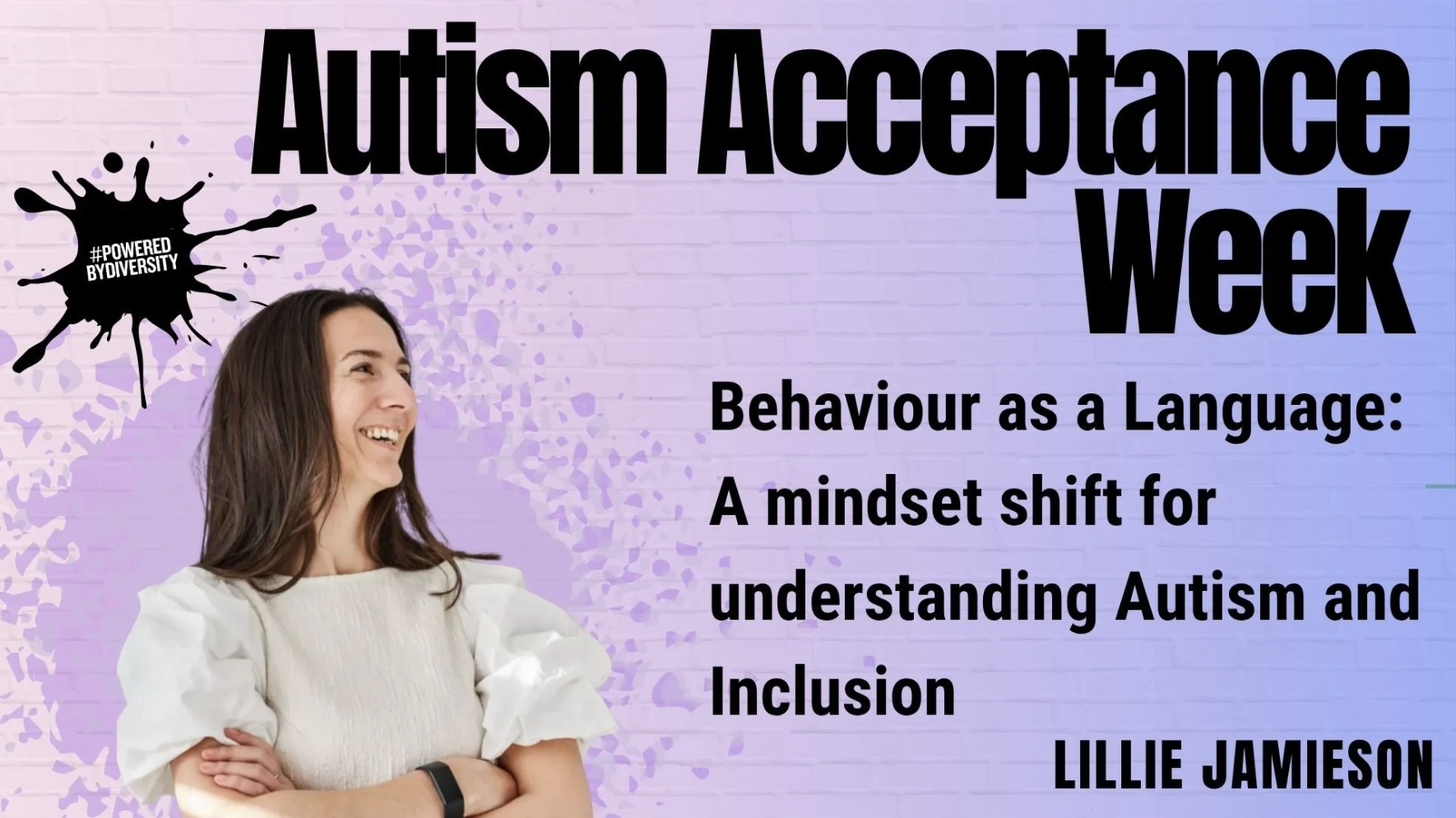
Autism Acceptance Week
Behaviour as a Language: A mindset shift for understanding Autism and Inclusion
Wednesday 1 April 2026
12:00 13:00
Not yet a member of Cultural Calendar Club? Join today or Contact Us.
In most workplaces, behaviour is judged before it’s understood. A quiet colleague might be labelled disengaged, a perfectionist seen as rigid, or someone avoiding social events described as uncooperative. But what if these behaviours aren’t attitude problems - they’re messages?
In this thought-provoking session, we’ll explore how behaviours often communicate underlying needs, stress, or sensory differences, particularly within the context of autism and neurodiversity. From withdrawal and burnout to over-accommodation and people-pleasing, participants will learn to view behaviour as a form of language rather than a performance metric.
Through relatable examples and practical strategies, this talk challenges the traditional “fix the behaviour” mindset and replaces it with curiosity, empathy, and understanding. Attendees will walk away with tools to:
Recognise what behaviour might be communicating.
Create environments that reduce stress and misunderstanding.
Foster trust, inclusion, and authentic engagement.
By shifting from judgement to interpretation, we unlock a more human, inclusive, and compassionate approach to working with all kinds of minds.