Reframing: ‘good men’ versus ‘bad men’
It’s easy to believe that all the harm in the world comes from a few “bad men”. The headlines, the extreme stories, the shocking incidents - those are far away from us, caused by a few bad men. Not my son. Not the people we know. Not me.
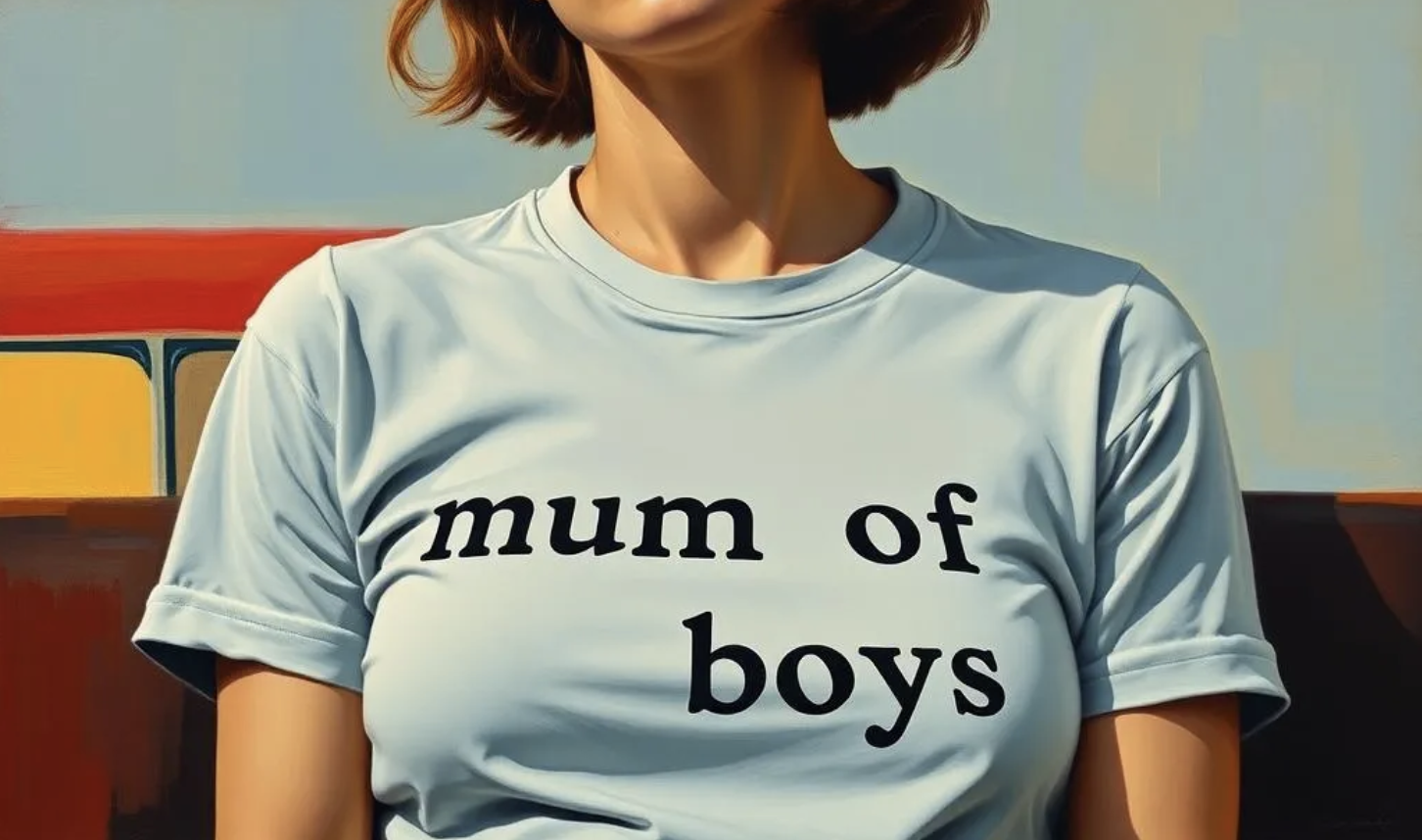
But in her powerful piece Mums of Boys, Virginia Mendez challenges that assumption and urges us to look deeper. What if most harm isn’t caused by villains, but by the scripts and systems that shape behaviour long before adulthood?
This reframing shifts the responsibility from individual monsters to cultural conditioning and it changes how we respond, teach and lead.
Why this matters → (30 sec read)
Not yet a member of Cultural Calendar Club? Join today or Contact Us.
When we frame harm as the work of a few “bad men,” we distance ourselves from the real issue — the expectations and norms that shape behaviour.
Instead of boxing the perpetrator into a “one of the bad ones” box, can we start asking “what systems shaped him and how do we interrupt them?”
As Virginia emphasises; this isn’t about guilt, it’s about awareness. Awareness of the cultural signals that influence how boys are taught to express emotion, assume power, devalue care work, and internalise norms that harm others.
Understanding the system gives us power to change it — in ourselves, in our families, and in our workplaces.
For leaders → (30-second read)
As leaders, we influence culture.
If we treat harmful behaviour as isolated villainy, we miss the patterns that enable it: norms of dominance, emotional suppression, pressure to perform (toughness, stoicism, resilience) and reward structures that prize output over empathy.
Reframing harm as a systems issue will influence how we build teams, communicate values, and mentor others.
Leaders who understand context can create environments where accountability, emotional intelligence, boundary-setting, and mutual respect are modelled and rewarded.
This is how culture changes from the inside out.
Bringing it all together
The “good man vs bad man” narrative is comforting, it protects our assumptions and excuses us from tough reflection.
But comfort doesn’t create change.
Virginia’s article reminds us that the systems shaping boys today are deeply rooted, and that the responsibility to rewrite them belongs to all of us — not just parents, not just women, and certainly not just “other people’s sons.”
The issue isn’t villainy. It’s conditioning. And conditioning can be disrupted.
When we stop looking for monsters and start unpacking how norms and expectations are learned, we move from reaction to prevention.
Accountability is where real change begins.
Reflection
Read more from Virginia here: https://virginiamendez.substack.com/p/mums-of-boys which pieces spoke to you?
🔔 coming up on The Work Edit:
This week we’ve been re-framing a few key topics. Tomorrow, we’re bringing it all together in preparation for International Women’s Day.
Want to feel more confident talking about gender equality and other topics at work?
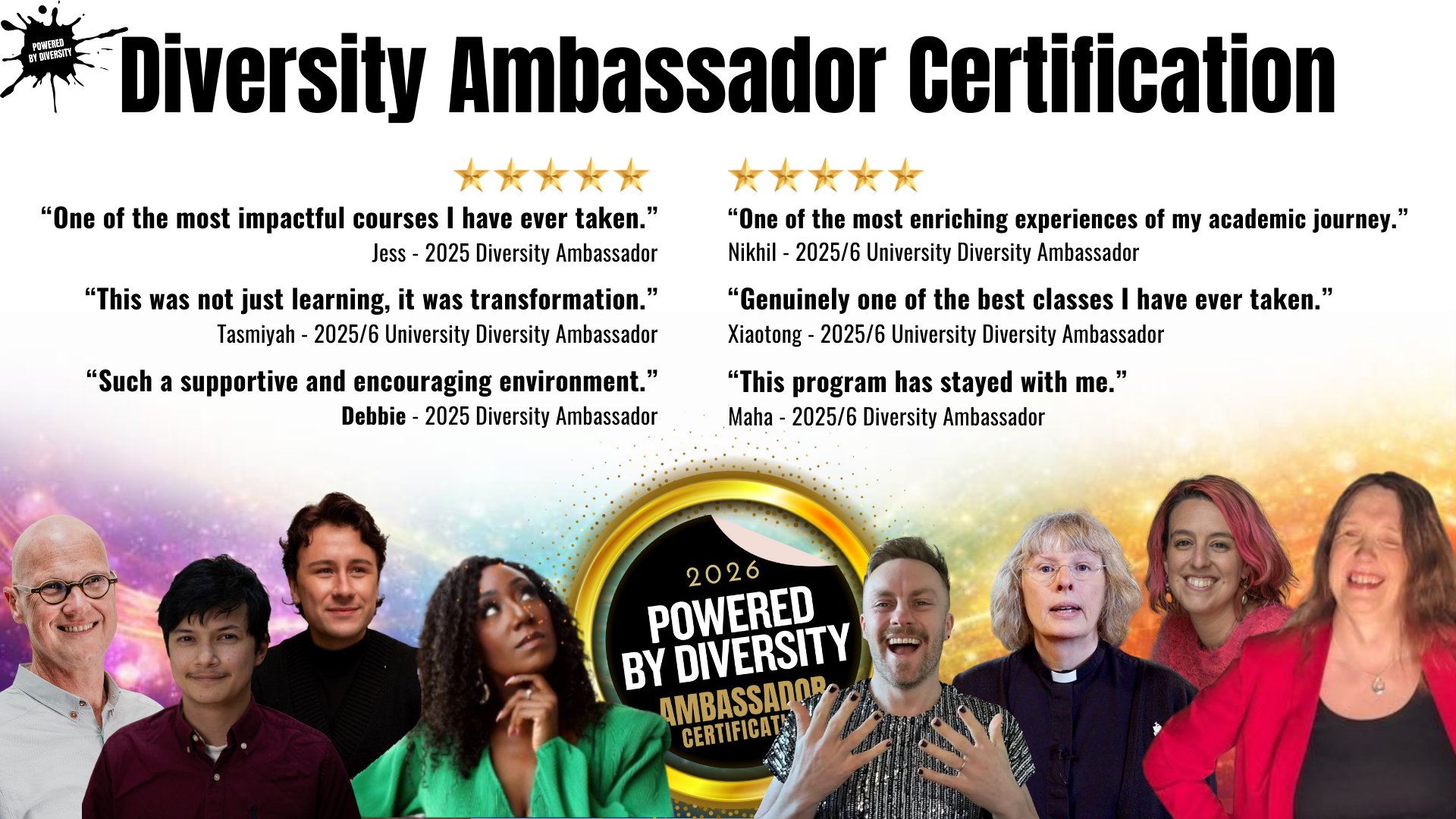
the 2026 Diversity Ambassador certification is now open for booking! 🎉
Six classes held via Teams | Every Thursday | from 12 - 1:30pm | From May 7th - June 11th
When are the Classes?
Thursday 7 May, 12-1:30 - Examining Beliefs - Foundations of EDI Thursday 14 May, 12-1:30 - Today's Sex & Equality Landscape
Thursday 21 May, 12-1:30 - Flags, Pronouns & Human Rights Thursday 28 May, 12-1:30 - Talkin' 'Bout my Generation
Thursday 4 Jun, 12-1:30 - Anti-ableist. Neuro inclusive. Access for all Thursday 11 Jun, 12-1:30 - Talking About Race Today
Click here to book your place! (please be aware the cohorts fill up quickly)
You can find out more here or Get in touch for a chat
coming up on Cultural Calendar Club
12 Months of live, inspiring, entertaining talks events, made financially accessible for all organisations
Not yet a member of Cultural Calendar Club? Join today or Contact Us.
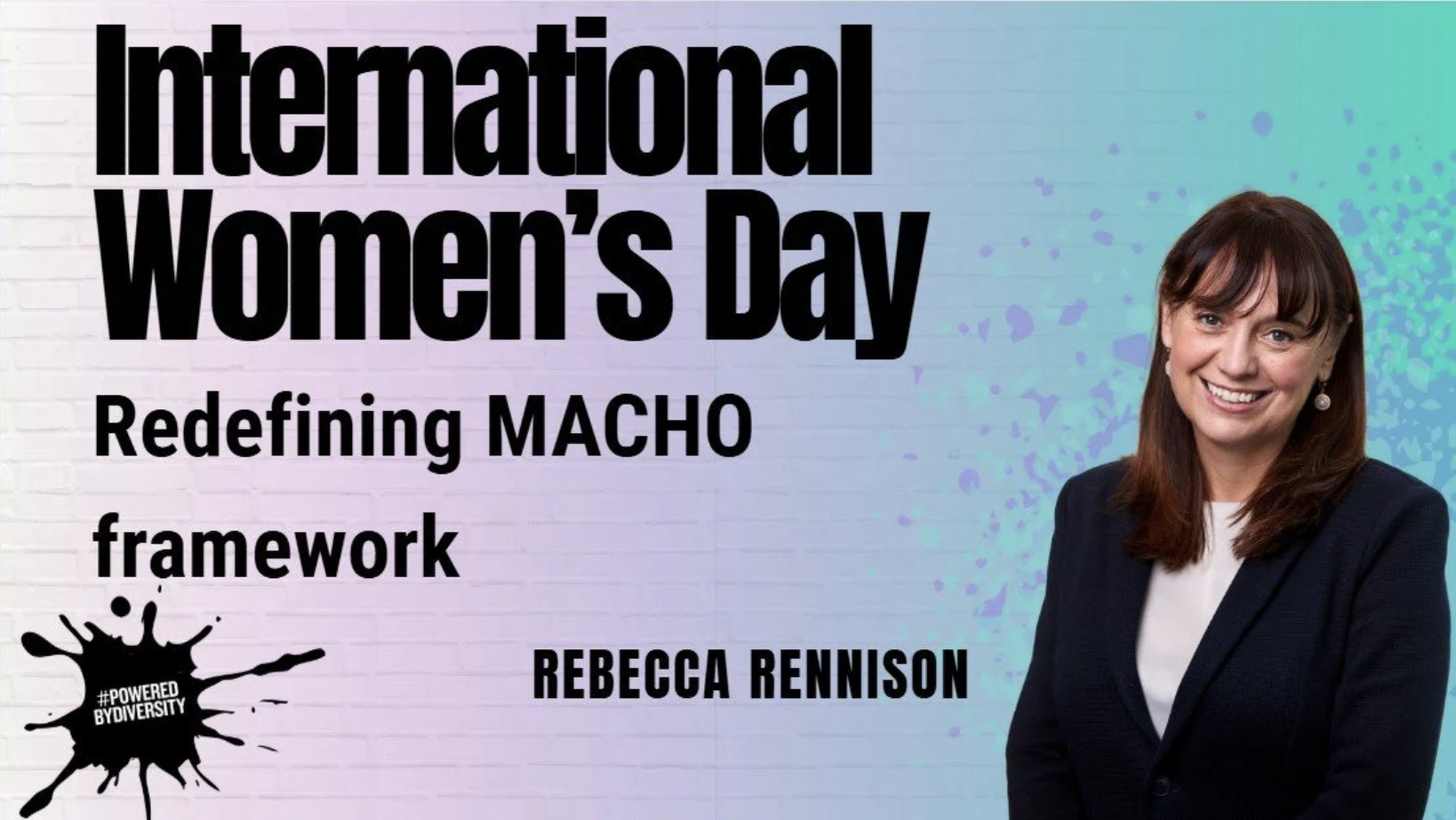
International women’s day
Redefining macho
Monday 9 March 2026
12:00 13:00
Not yet a member of Cultural Calendar Club? Join today or Contact Us.
Rebecca created the “Redefining MACHO” framework to encourage better male allyship and foster a more diverse and inclusive workplace. This framework consists of five simple, actionable steps that everyone can implement today to enhance DE&I within their organisations and the broader business community.
M = Meaningful Mentor
A = Amplify Awareness
C = Capture Confidence
H = Harmony with Home
O = Orchestrate Opportunities
Rebecca will discuss how this framework can unlock numerous small actions that collectively support the development of diverse teams, actively champion equity, and ensure that inclusion is experienced by all. She has conducted several “Redefining MACHO” workshops and events, gathering valuable feedback and real-life examples that provide a clear roadmap for change.
She will also share her “Work Life Harmony Handbook” and “Confidence Boosting Alphabet” to help SMASH Imposter Syndrome.