The Dangers of Social Media for Women and Girls
& Why It Matters This International Women’s Day
Every year, International Women’s Day reminds us to celebrate progress, amplify women’s voices, and confront the challenges that still hold women and girls back. In today’s digital world, one of the most urgent and overlooked issues is the dangers of social media for women and girls.
While social media can empower, connect, and inspire, it also exposes women and girls to unique risks that affect their safety, mental health, education, careers, and overall wellbeing. As we reflect this International Women’s Day, it’s time to examine the darker side of our digital lives.
Understanding the Dangers of Social Media for Women and Girls
We’re running a FREE event on Understanding Your Child’s Digital World and how to keep them safe: Sign up free today.
The dangers of social media are not distributed equally. Women and girls face gender-specific harms that often mirror and magnify inequalities in the offline world.
These risks include:
Online harassment and abuse
Cyberstalking and digital surveillance
Body image pressure and eating disorders
Sexual exploitation and grooming
Mental health challenges
Career and reputation damage
Today, on International Women’s Day we’re going to explore each of these in more detail.
Online Harassment and Gender-Based Abuse
One of the most serious dangers of social media is the prevalence of online harassment. The Economist recently reported that 85% of women who spend time online have witnessed online violence and 38% of women have been the target of online violence. Women and girls are disproportionately targeted with:
Sexualised insults
Threats of violence
Doxxing (publishing private information)
Non-consensual image sharing
Hate speech
Female journalists, activists, politicians, and influencers are particularly vulnerable. This digital abuse often silences women’s voices, discouraging participation in public debate and leadership.
On International Women’s Day, when women’s voices should be amplified, many instead face coordinated trolling and abuse campaigns.
Body Image Pressure and Mental Health Risks
Social media platforms are built around image-sharing and comparison. For girls and young women, this creates intense pressure to meet unrealistic beauty standards. According to the Mental Health Foundation 88% of women compare themselves to images on social media, with over half reporting these comparisons are unfavourable.
Teenage Distress: In the same report, 54% of girls report that images on social media cause them to worry about their body image.
Internalized Pressure: 1 in 3 girls report feeling worse about their bodies after using Instagram.
Age of Onset: By age 14, one in three girls is unhappy with their appearance, compared to one in seven at the end of primary school.
The "Filter" Effect: 85% of girls have used a filter or edited a photo of themselves before age 13.
Severe Consequences: 35% of British teenagers reported stopping eating or restricting their diets due to body image worries.
Join our FREE event on Understanding Your Child’s Digital World and how to keep them safe: Sign up here.
The constant srream of filtered photos, edited bodies, and curated lifestyles contribute to low self-esteem, anxiety and depression, eating disorders and obsessive comparison.
Research consistently shows that teenage girls are especially vulnerable to the psychological dangers of social media. The constant exposure to idealised images can distort self-perception during crucial developmental years.
This International Women’s Day, promoting digital literacy and body positivity is more important than ever.
Sexual Exploitation and Online Grooming
Another serious danger of social media is the risk of grooming and exploitation. Predators use social platforms to:
Build trust with minors
Manipulate and isolate victims
Request explicit images
Blackmail and coerce
Data from the NSPCC shows that online grooming crimes against children increased by 89% in six years and 81% of grooming cases take place against girls. Where a means of communication was known, almost half of offences were on Snapchat (48%), .
Girls are statistically more likely to be targeted for sexual exploitation online. Once images are shared, they can spread rapidly and permanently, causing long-term emotional trauma and reputational damage.
Parents, educators, and policymakers must prioritise digital safety education for girls.
Cyberstalking and Digital Control
For women in abusive relationships, social media can become a tool of surveillance and control. Women's Aid report that 16% of women in refuge services had experienced surveillance/harassment online or through social media by their abuser.
Abusers may:
Monitor activity and messages
Track location through posts
Impersonate victims
Use shared passwords to intimidate
The dangers of social media extend beyond strangers — they often come from people known to the victim.
Classmate Bullies: In an ONS UK survey, 74% of parents identified classmates as the main source of their child's cyberbullying.
School-Based Harassment: According to ONS approximately 65% to 72% of children who experienced online bullying reported it was carried out by someone from their school.
Acquaintance Risk: An estimated 19% of children aged 10-15 exchanged messages with a stranger in the last year, but a much larger, often overlooked, percentage involves harassment from peers.
Intimate Partner/Ex-Partner: Among women experiencing online abuse, 1 in 6 (16%) said the perpetrator was an intimate partner or former partner, rising to 1 in 5 (22%) for young women.
Third-Party Involvement: For women abused on social media by partners/ex-partners, 19% said the partner's family was involved, and 8% said the partner's friends were involved.
Digital abuse frequently accompanies domestic violence Women's Aid report a staggering 94% of women who experienced tech abuse from a partner or former partner also experienced other forms of domestic abuse, making online safety a key issue in women’s rights discussions on International Women’s Day.
Career and Reputation Damage
Women are judged more harshly online than men. Data from Ofcom suggests that 44% of young women (Gen Z) have experienced misogynistic content, and 27% have reported threats of physical or sexual assault. Old posts, manipulated images, or false rumours can disproportionately impact women’s careers.
Professional women may face:
Sexualised commentary
Reputation smears
Coordinated harassment campaigns
Pressure to limit self-expression
With this backdrop, women are being actively encouraged to build personal brands, speak publicly, and pursue leadership roles.
The Impact on Young Girls’ Development
Excessive screen time and online comparison can affect:
Academic performance
Sleep quality
Social development
Confidence and identity formation
Join our FREE event on Understanding Your Child’s Digital World and how to keep them safe: Sign up here.
Extended screen time has become increasingly normal for young children and teenagers. Research suggests a 52% increase in children’s screen time between 2020 and 2022, and that nearly 25% of children and young people use their smartphones in a way that is consistent with a behavioural addiction.
Young girls are forming their sense of self in digital spaces shaped by algorithms prioritising appearance and engagement over authenticity and wellbeing.
On International Women’s Day, safeguarding the next generation must be a global priority.
Why This Matters on International Women’s Day
International Women’s Day is about equality, empowerment, and protection of rights. Addressing the dangers of social media for women and girls is part of that mission.
Digital spaces are not separate from real life. They influence:
Mental health
Economic opportunities
Political participation
Personal safety
If women and girls cannot safely exist online, their ability to thrive offline is also restricted.
How We Can Reduce the Dangers of Social Media
While the dangers of social media are real, solutions are possible. This International Women’s Day, individuals, organisations, and governments can take action:
1. Promote Digital Literacy
Teach girls how algorithms work, how to protect privacy, and how to identify manipulation.
2. Strengthen Platform Accountability
Social media companies must enforce anti-harassment policies and improve reporting systems.
3. Encourage Healthy Online Habits
Limit screen time and promote content that supports body positivity and self-worth.
4. Support Women Facing Online Abuse
Provide legal, emotional, and technical support for victims of digital harassment.
5. Create Safe Online Communities
Build platforms and networks that empower rather than exploit.
A Call to Action This International Women’s Day
The dangers of social media should not overshadow its potential for empowerment — but they must not be ignored.
This International Women’s Day, let’s:
Amplify women’s voices safely
Demand stronger protections online
Educate girls about digital risks
Support survivors of online abuse
Advocate for safer digital spaces
Empowerment in the 21st century must include digital safety. Protecting women and girls online is not optional — it is essential for achieving true equality.
🔔 coming up on The Work Edit:
This week we’re focussing on life online and how it impacts on women and girls. Tomorrow, the dangers of social media for Neurodivergent women and girls.
Want to feel more confident talking about gender equality and other topics at work?
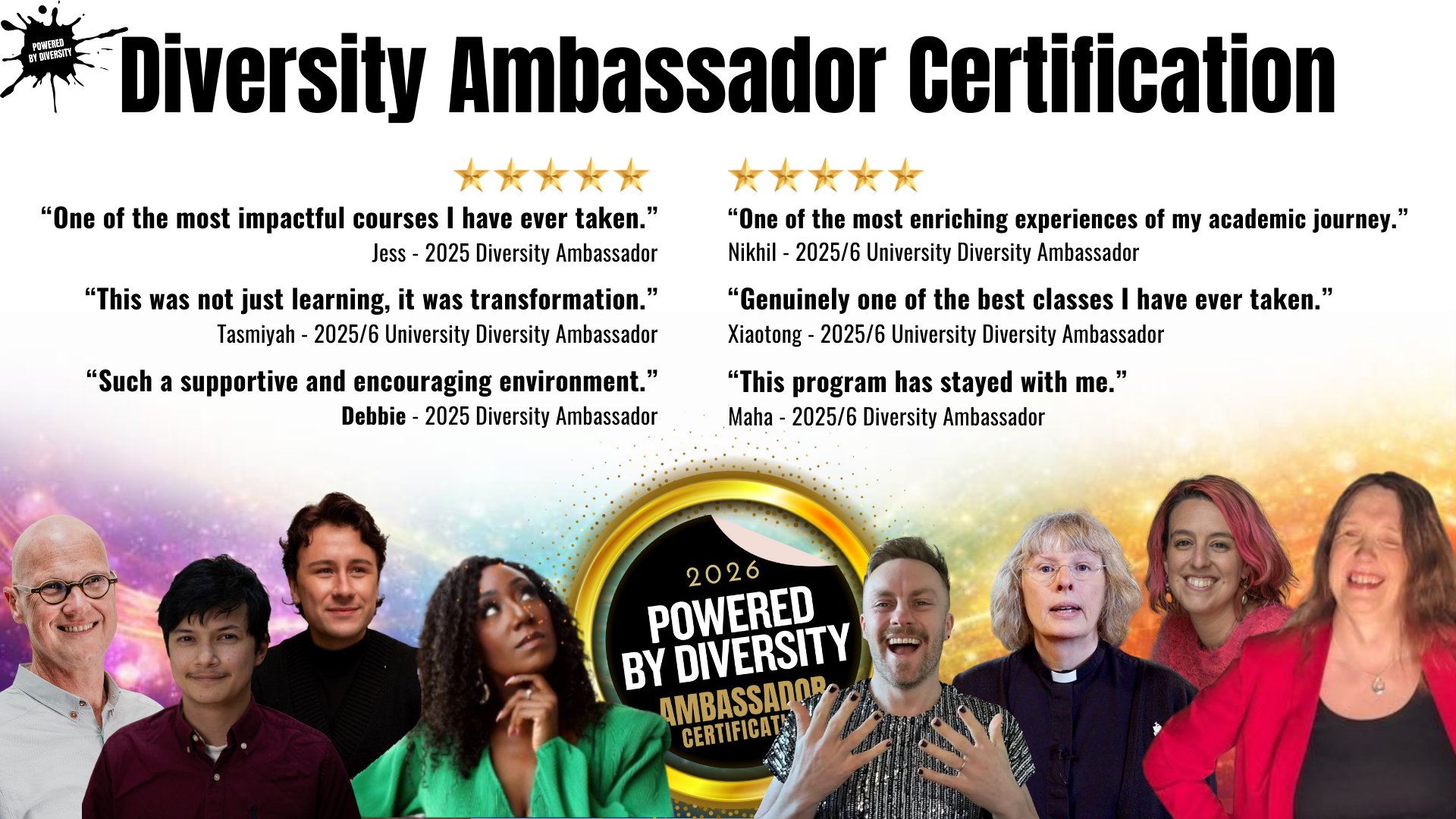
the 2026 Diversity Ambassador certification is now open for booking! 🎉
Six classes held via Teams | Every Thursday | from 12 - 1:30pm | From May 7th - June 11th
When are the Classes?
Thursday 7 May, 12-1:30 - Examining Beliefs - Foundations of EDI Thursday 14 May, 12-1:30 - Today's Sex & Equality Landscape
Thursday 21 May, 12-1:30 - Flags, Pronouns & Human Rights Thursday 28 May, 12-1:30 - Talkin' 'Bout my Generation
Thursday 4 Jun, 12-1:30 - Anti-ableist. Neuro inclusive. Access for all Thursday 11 Jun, 12-1:30 - Talking About Race Today
Click here to book your place! (please be aware the cohorts fill up quickly)
You can find out more here or Get in touch for a chat
coming up on Cultural Calendar Club
12 Months of live, inspiring, entertaining talks events, made financially accessible for all organisations
Not yet a member of Cultural Calendar Club? Join today or Contact Us.
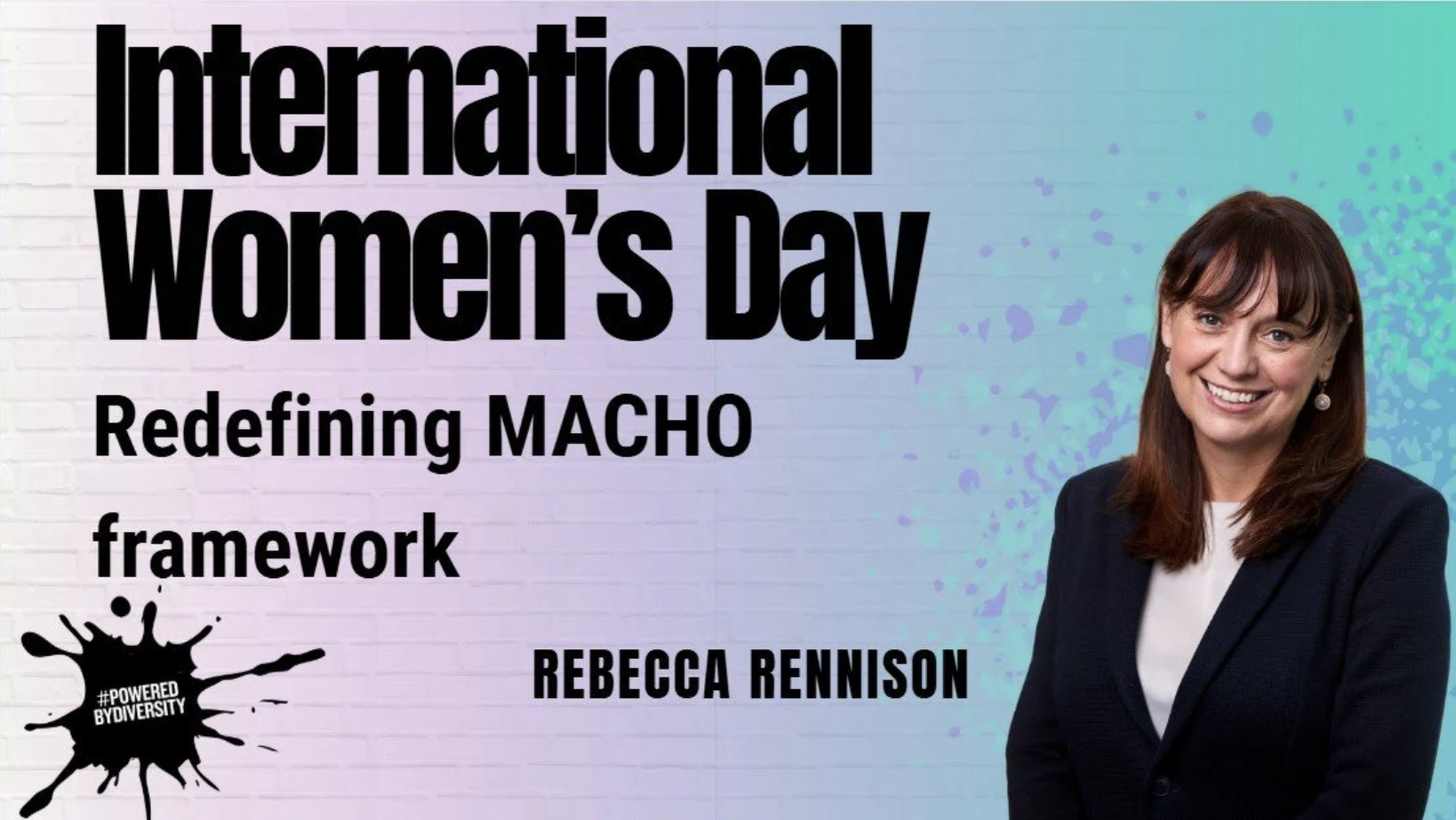
International women’s day
Redefining macho
Monday 9 March 2026
12:00 13:00
Not yet a member of Cultural Calendar Club? Join today or Contact Us.
Rebecca created the “Redefining MACHO” framework to encourage better male allyship and foster a more diverse and inclusive workplace. This framework consists of five simple, actionable steps that everyone can implement today to enhance DE&I within their organisations and the broader business community.
M = Meaningful Mentor
A = Amplify Awareness
C = Capture Confidence
H = Harmony with Home
O = Orchestrate Opportunities
Rebecca will discuss how this framework can unlock numerous small actions that collectively support the development of diverse teams, actively champion equity, and ensure that inclusion is experienced by all. She has conducted several “Redefining MACHO” workshops and events, gathering valuable feedback and real-life examples that provide a clear roadmap for change.
She will also share her “Work Life Harmony Handbook” and “Confidence Boosting Alphabet” to help SMASH Imposter Syndrome.