When “It’s Just an Excuse” Isn’t the Truth.
Why this Matters for NEURODIVERSITY CELEBRATION WEEK AND AUTISM ACCEPTANCE week
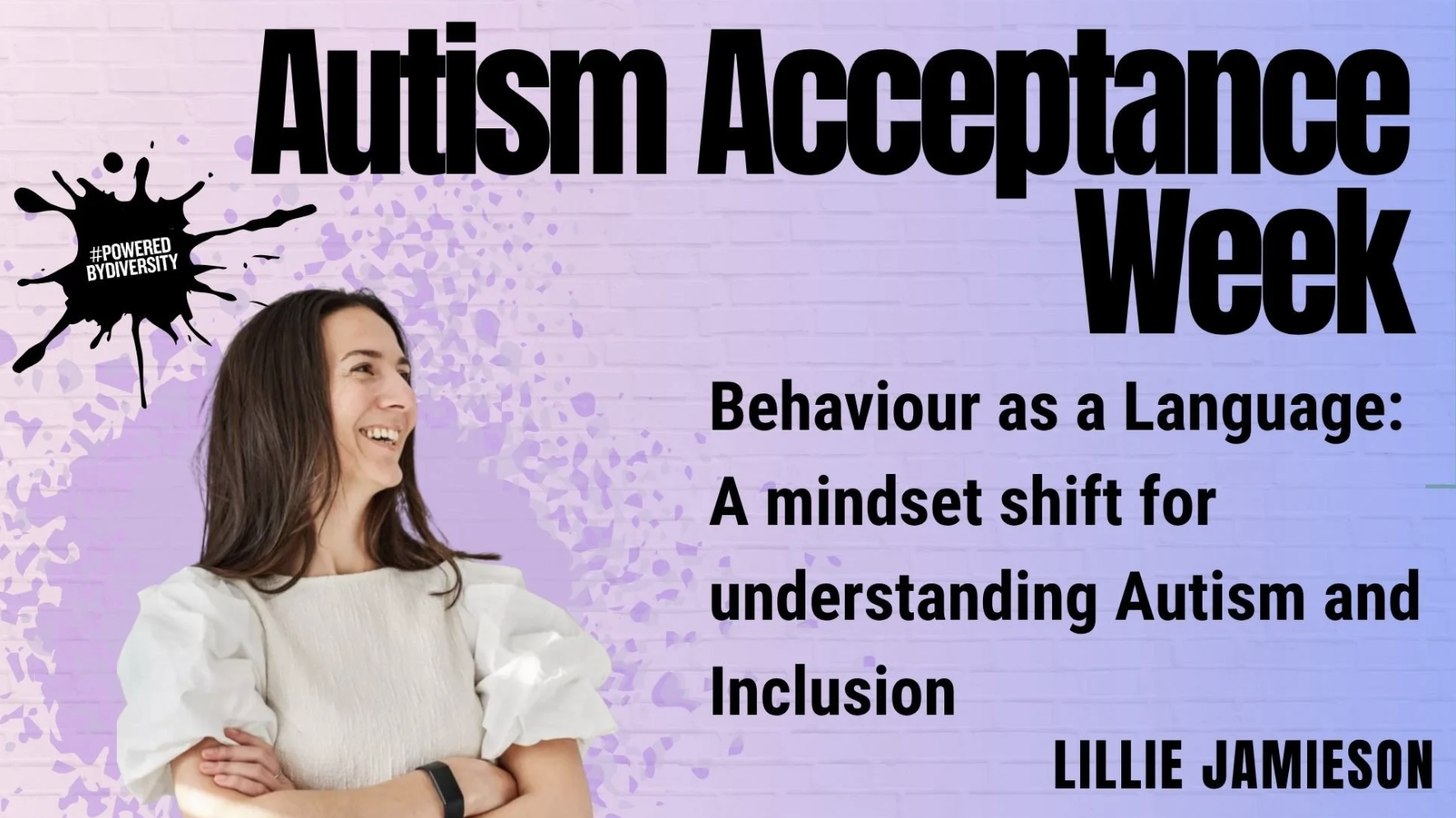
Join us next Wednesday (1st April) 12-1 for Cultural Calendar Club live event Understanding Autism & Inclusion: Book Your Place
Not yet a member of Cultural Calendar Club? Join today or Contact Us.
In today’s 5 minute video (below), Amit Singh Kalley shares his ADHD journey and a line that will resonate with far too many people:
“People at work told me I was using ADHD as an excuse for bad behaviour.”
Pause on that.
When ADHD — or any neurodivergent profile — is framed as an excuse, the assumption underneath is this:
“If you just tried harder, you’d behave differently.”
That belief turns what is actually a neurological difference into a personal failure.
It ignores executive functioning differences, sensory processing variation, emotional regulation challenges and different communication styles.
And it places the burden entirely on the individual to “fix” themselves.
Why this matters → (30 sec read)
If you are neurodivergent, you may recognise the pattern: You’re praised for your creativity, energy, big thinking, pattern recognition.
Until…
You struggle with an arbitrary admin task, you react to being forced into working in a style that is absolutely not optimal or your tone isn’t what people expected.
Then suddenly your strengths disappear from view — and only friction remains.
Here’s the thing, when workplaces label difference as “excuse-making,” (and let’s be honest, many of them do) people learn to mask.
Masking is expensive, it drains cognitive energy, increases anxiety, narrows contribution and wellbeing takes a nosedive.
Amit’s message is powerful because it shifts the frame:
Acceptance is not lowering standards. It is recognising different operating systems.
for leaders → (30 sec read)
Acceptance of neurodivergence is not the same as absence of accountability. Neurodivergence is absolutely not the same as “bad behaviour”.
Let’s look at an example; An employee finds brainstorming sessions difficult to join in with, so doesn’t contribute much in the session, even though you know they are brilliant.
Now think about the difference between:
“You’re choosing not to ‘behave’.”
and
“Let’s understand how your brain works and design around it.”
When leaders move from suspicion to curiosity the most important thing that happens is that conversation begins.
The benefits to accepting neurodivergece that Amit refers to in his video are so real.
When someone no longer spends energy defending their legitimacy, or trying to morph in with ‘the way things work around here’, that energy returns to performance.
BRINGING IT ALL TOGETHER
Amit’s story matters because it exposes a bias that is prevalent in many workplaces: We celebrate neurodivergent strengths as long as they’re convenient.
But the real work of inclusion begins when difference is inconvenient.
When someone processes slower, when they communicate differently or when their regulation looks different under stress. That is where belonging is tested.
But how you handle those crucial parts is where trust is built (or lost).
The goal is not tolerance, it’s design. The reason people find those friction points difficult is becasue they probably require an element of evolution, and change is effort.
Clear expectations, flexible ways of working, psychological safety and explicit communication are usually the keys here; The same high-trust anchors we discussed all of last week.
Amit’s message isn’t about special treatment. It’s about removing shame and starting the conversation.
REFLECTION
Have you ever interpreted difference as defiance?
What changed when you chose curiosity instead?
🔔 coming up on The Work Edit:
Tomorrow: Finding the courage to name it — only to face rejection.
Want to feel more confident talking about neurodiversity and other topics at work?
Click here to book your place! (please be aware the cohorts fill up quickly)
You can find out more here or Get in touch for a chat
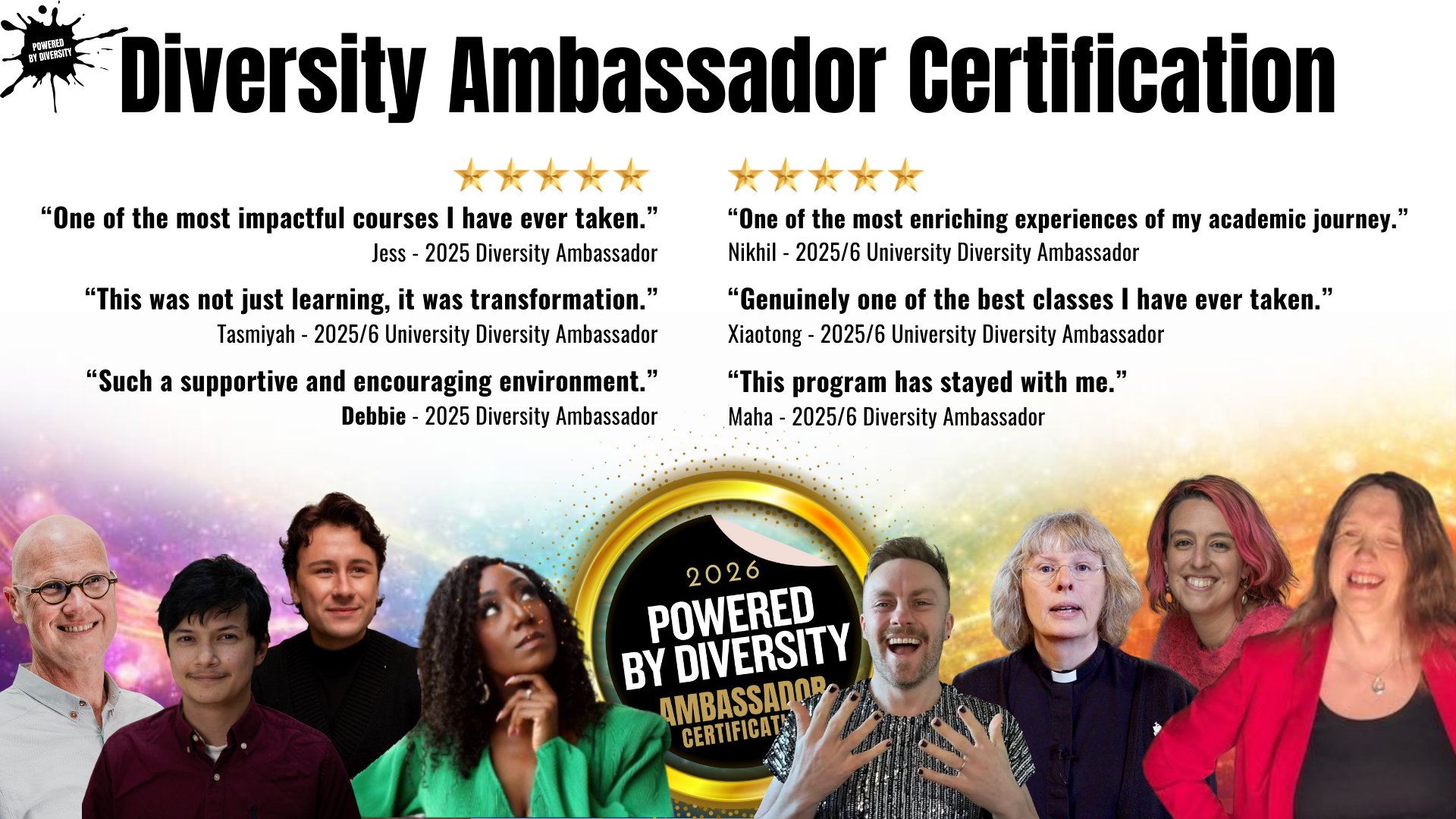
the 2026 Diversity Ambassador certification is now open for booking! 🎉
Six classes held via Teams | Every Thursday | from 12 - 1:30pm
Class Schedule:
7 May, 12-1:30 - Examining Beliefs - Foundations of EDI
14 May, 12-1:30 - Today's Sex & Equality Landscape
21 May, 12-1:30 - Flags, Pronouns & Human Rights
28 May, 12-1:30 - Talkin' 'Bout my Generation
4 Jun, 12-1:30 - Anti-ableist. Neuro inclusive. Access for all
11 Jun, 12-1:30 - Talking About Race Today
coming up on Cultural Calendar Club
12 Months of live, inspiring, entertaining talks events, made financially accessible for all organisations
Not yet a member of Cultural Calendar Club? Join today or Contact Us.
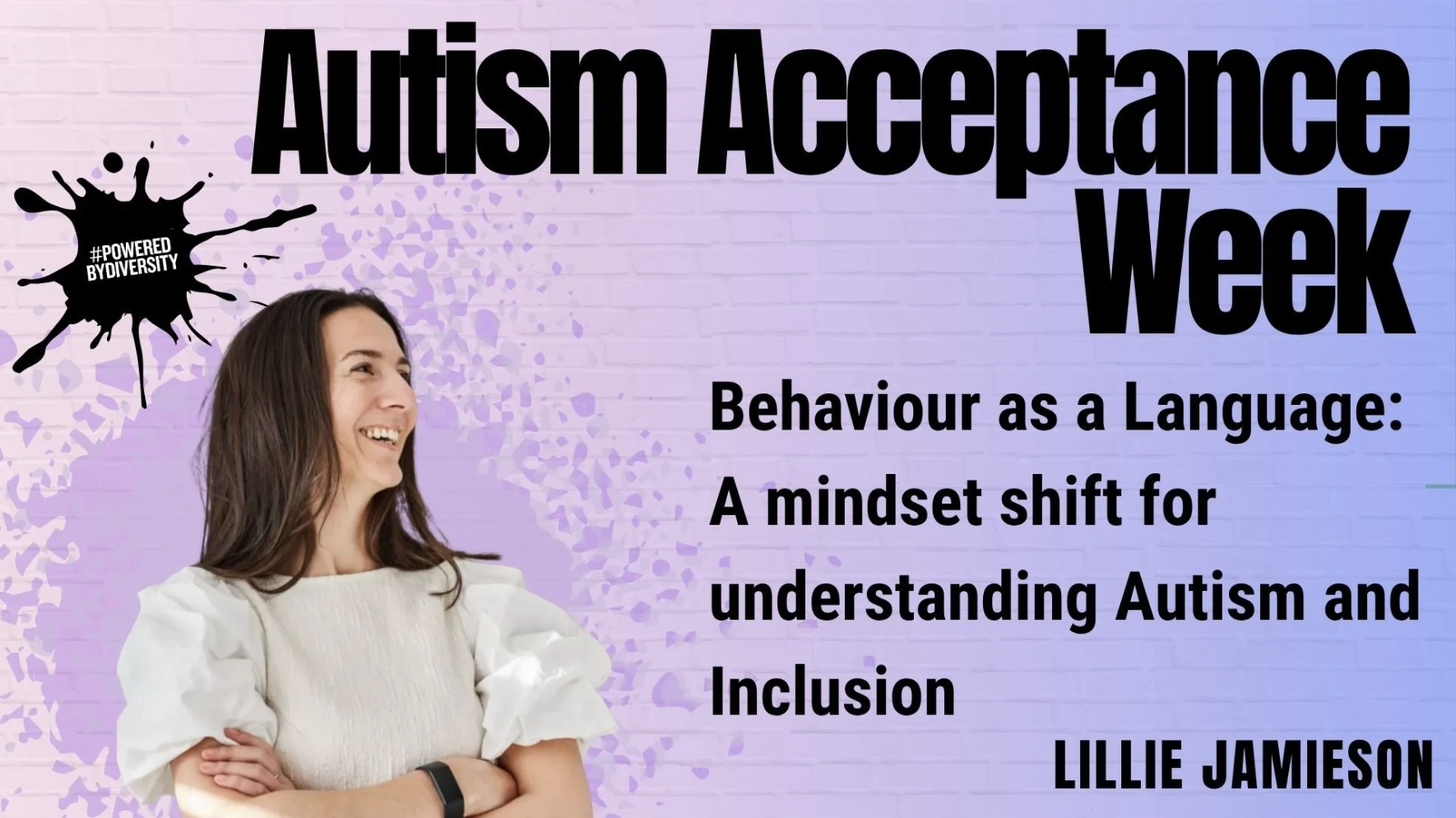
Autism Acceptance Week
Behaviour as a Language: A mindset shift for understanding Autism and Inclusion
Wednesday 1 April 2026
12:00 13:00
Not yet a member of Cultural Calendar Club? Join today or Contact Us.
In most workplaces, behaviour is judged before it’s understood. A quiet colleague might be labelled disengaged, a perfectionist seen as rigid, or someone avoiding social events described as uncooperative. But what if these behaviours aren’t attitude problems - they’re messages?
In this thought-provoking session, we’ll explore how behaviours often communicate underlying needs, stress, or sensory differences, particularly within the context of autism and neurodiversity. From withdrawal and burnout to over-accommodation and people-pleasing, participants will learn to view behaviour as a form of language rather than a performance metric.
Through relatable examples and practical strategies, this talk challenges the traditional “fix the behaviour” mindset and replaces it with curiosity, empathy, and understanding. Attendees will walk away with tools to:
Recognise what behaviour might be communicating.
Create environments that reduce stress and misunderstanding.
Foster trust, inclusion, and authentic engagement.
By shifting from judgement to interpretation, we unlock a more human, inclusive, and compassionate approach to working with all kinds of minds.