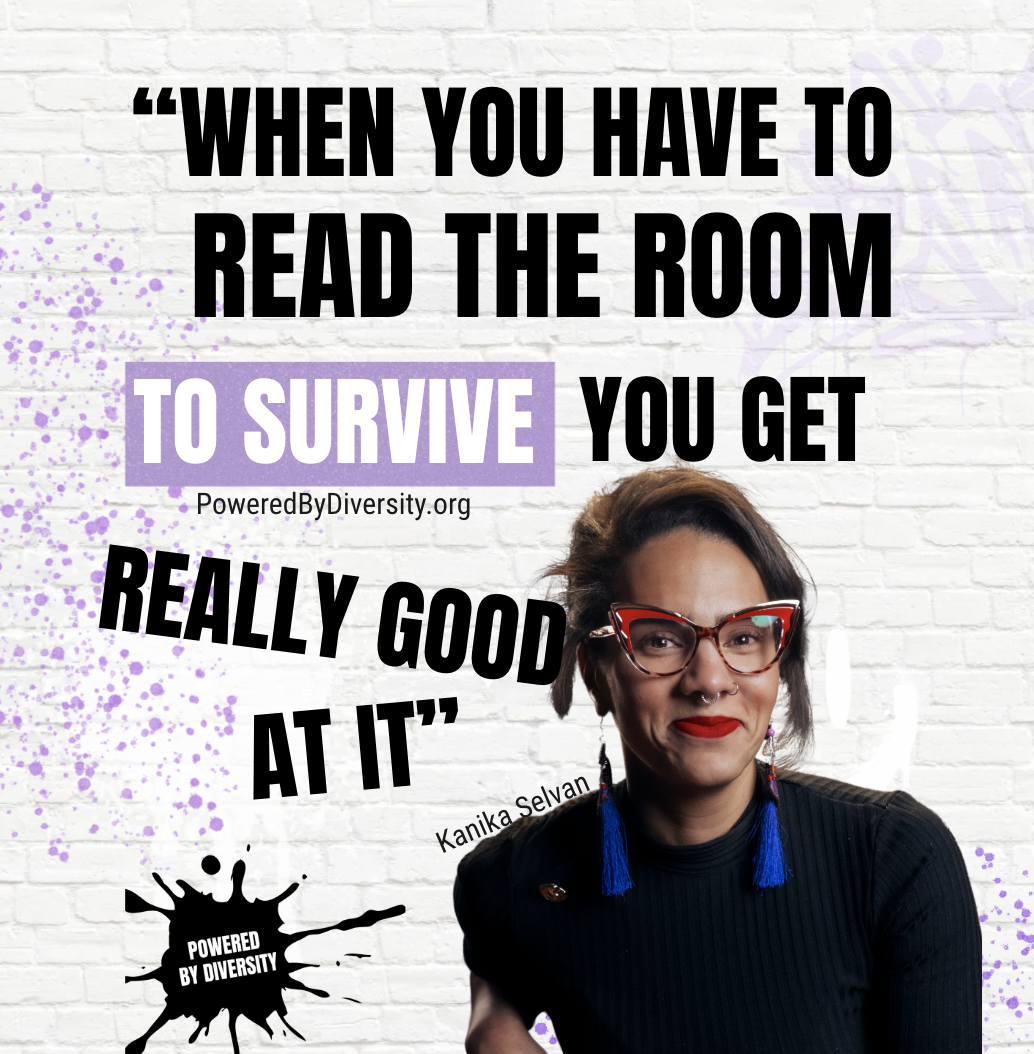
When you have to read the room…you get good at it.
Why this Matters for NEURODIVERSITY CELEBRATION WEEK AND AUTISM ACCEPTANCE week
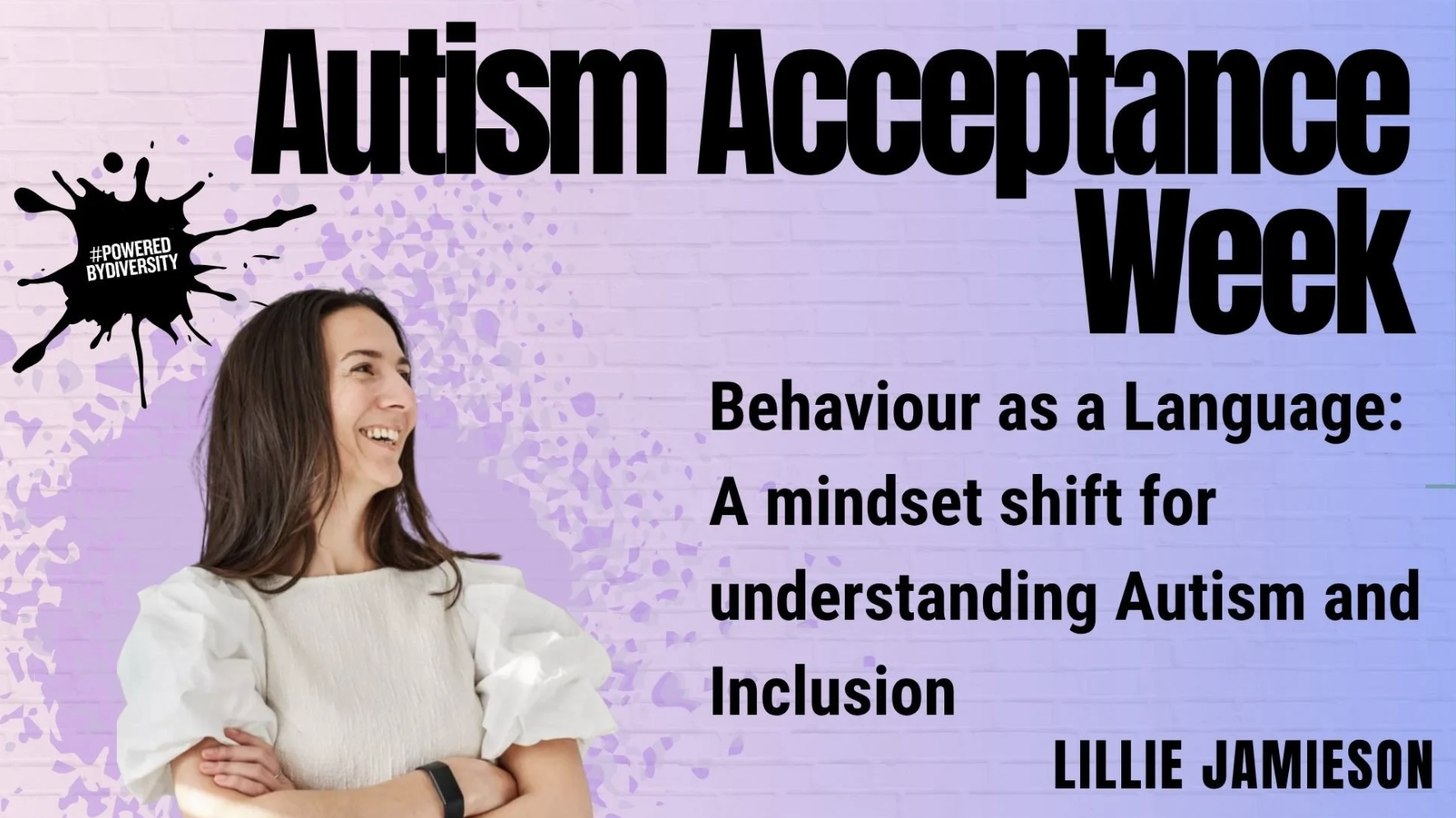
Join us next Wednesday (1st April) 12-1 for Cultural Calendar Club live event Understanding Autism & Inclusion: Book Your Place
Not yet a member of Cultural Calendar Club? Join today or Contact Us.
We’ve been talking about neurodivergence, culture, and what it means to be accepted (or dismissed) at work.
But there’s another layer to this conversation. What happens when difference shapes the skills you develop to survive?
When Powered By Diversity founder Cat Wildman messaged Kanika Selvan about “difficult conversations” what followed wasn’t a framework. It was a bald truth.
A truth about what it means to navigate rooms where power isn’t evenly held.
A truth about having to learn to read systems, tone, silence and consequence because your safety and credibility depend on it.
This isn’t a glossy LinkedIn take on bravery.
What follows is Kanika’s context behind why she is “good at difficult conversations.”
Not because she enjoys them, but because she had to learn to survive.
Meet Kanika Selvan
So when Cat Wildman landed in my WhatsApp late on a Thursday night, there wasn't any kind of warm up to... “Kanika I think you need to write about the intersection between Difficult Conversations and Neurodivergence, because I’m doing a thing…”
I remember thinking....her pattern recognition had guessed right. I do know this topic and I do have thoughts.
So stick with me because I wrote a whole series 💅🏾
But first I want to introduce myself - and why Cat asked me to write about navigating difficult conversations as a Black, AuDHD woman in tech.
I am good at difficult conversations. But I don't enjoy them.
I’m not sitting around itching for a good talk out. I don't like it when people cry, and I do get anxious. I over-prepare and I feel the tension in my shoulders, just like everyone else.
I too wonder if I feel brave that day; I question if I’m making the right choice to ‘do the hard thing’ and approach a discussion.
I'm also not good at Difficult Conversations in a glossy, LinkedIn kind of way. I have no framework to sell you.
The truth is this:
I’m good at difficult conversations because I’ve had to navigate systems that don’t make sense, power in rooms that isn’t evenly held, and situations where avoiding the difficult conversation comes with a very real cost and impact.
1. We learn skills when we have to 🏃🏽♀️
I am a minoritised person and whilst I hold many privileges, my identity markers are are the lens through which I experience and navigate the world.
What I mean by that is, I walk into a room, especially in the workplace, and my identity markers (my race, gender, neurodivergence) shapes how the room responds to me.
When you are minoritised, you don’t get to be casual about systems or vibes or dynamics. You have to learn them to survive.
When you know that being different shapes how people engage, what you learn holds a lot of power; how decisions really get made, when the values on the wall say one thing but the real values are very different - and, in the context of difficult conversations, what happens when the hard but obvious thing goes unsaid…
It’s a necessary skill you learn - to read tone, energy, and absence - because lets be real, my safety and credibility, and your ability to stay in the room, all depend on me getting it right.
2. I cannot stand pretending not to see the problem
My Neurodivergent brain means I think fast and in patterns... people, systems, politics, consequences all at once.
I get to conclusions quickly and that's a fabulous thing for strategic change and holding high stress situations in board rooms.
But it also means that I can smell the unsaid before I see it, and my tolerance for incongruence (people saying one thing and behaving another) lands like an actual physical discomfort.
I twitch when a room is pretending not to see what’s obvious, to avoid what may be a difficult discussion by smoothing and hedging.
So I landed in a career type where I’m the person that aligns shared reality.
I do that role because I know that I would rather have the pen, than manage the dishonesty of avoidance.
3. The realisation that I wasnt ‘too much’ or ‘wrong’
I read books like Slay in Your Lane too late in life.
These types of perspectives - of navigating ife as a black female in the UK, weren’t inspiring, they were an experience of recognition.
It was someone writing down a reality that I had only ever acknowledged informally, within safe rooms.
That experience of external recognition started me questioning the labels I’d always been given. I was ‘too much’ or ‘wrong’.
It swiftly made me realise that I wasn't wrong, my view of reality is true, my perception real.
I just had a different instinct; to navigate the world in a way aligned with what it is, not was we wish it was.
I stopped minimising and assuming and started to trust my understanding, my perception and began noticing what others are allowed to ignore.
4. I’ve seen the impact of avoidance and ive seen who it impacts
I got good at difficult conversations, not because I find them easy, but because once I trusted my perception, I could see the whole flow; from the stakes, to the impact - and the tension that people get stuck within.
That important moment when the conversation needs to be had, and everyone is skirting, that's the moment that I realised through lived experience is the expensive bit.
It's the difficult conversations not had, the difficult conversations people ran from, or the ones that got parked on the to do list... that are so damaging.
I cant un-see the damage caused to communities, workplaces and individuals casued by not having conversations that need to be had.
5. Two things can be true at the same time
Difference can still be exhausting.
It can be unsafe.
It can wear you down.
But difference can also mean that you get frighteningly good at certain things.
I know that holding tension, making a point so that it lands, deciding when to speak, deciding when not to, knowing when safety is priority.... its a necessary learning.
Its a learning that keeps me safe and one I’m constantly navigating in my mind.
If you’re anything like me, you don’t learn skills like this because you want to. You learn them because you need them.
So thats why I said yes when Cat asked me to write about neurodivergence and difficult conversations.
Not because I enjoy them, or because I think they’re a linkedin trend, but because I’ve seen the cost of avoiding them and I can’t un-see it.
I got good at them because the world demanded it, and whilst that doesn't mean I engage without agency, it means I know how to navigate uneven power, incoherent engagements, strategy and odd systems, and with the knowledge that difficult discussions not had, have been part of my reality.
🔔 coming up on The Work Edit:
Tomorrow: Neurodivergence and difficult conversations: Kanika’s Top 5 Learnings
Want to feel more confident talking about neurodiversity and other topics at work?
Click here to book your place! (please be aware the cohorts fill up quickly)
You can find out more here or Get in touch for a chat
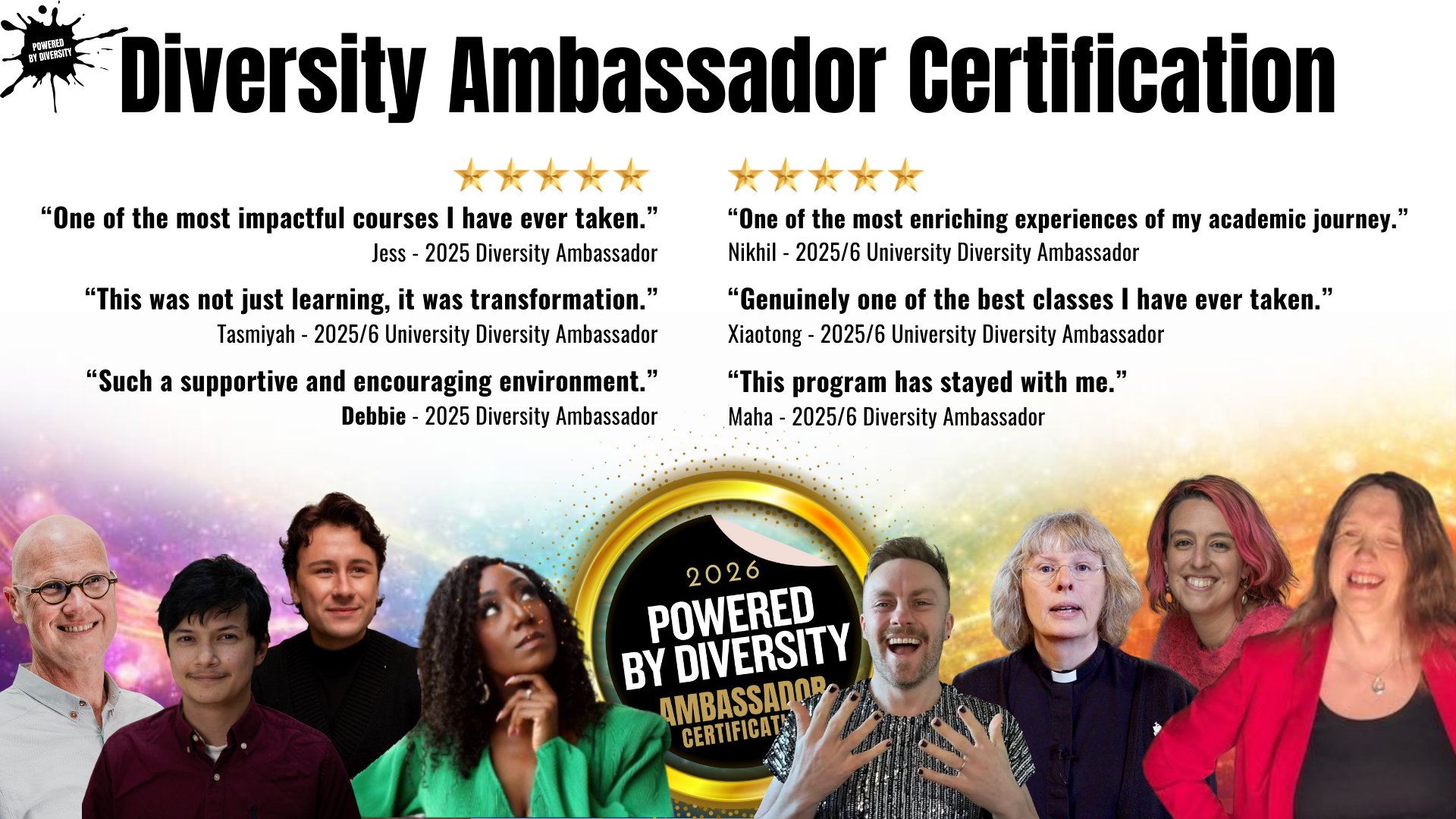
the 2026 Diversity Ambassador certification is now open for booking! 🎉
Six classes held via Teams | Every Thursday | from 12 - 1:30pm
Class Schedule:
7 May, 12-1:30 - Examining Beliefs - Foundations of EDI
14 May, 12-1:30 - Today's Sex & Equality Landscape
21 May, 12-1:30 - Flags, Pronouns & Human Rights
28 May, 12-1:30 - Talkin' 'Bout my Generation
4 Jun, 12-1:30 - Anti-ableist. Neuro inclusive. Access for all
11 Jun, 12-1:30 - Talking About Race Today
coming up on Cultural Calendar Club
12 Months of live, inspiring, entertaining talks events, made financially accessible for all organisations
Not yet a member of Cultural Calendar Club? Join today or Contact Us.
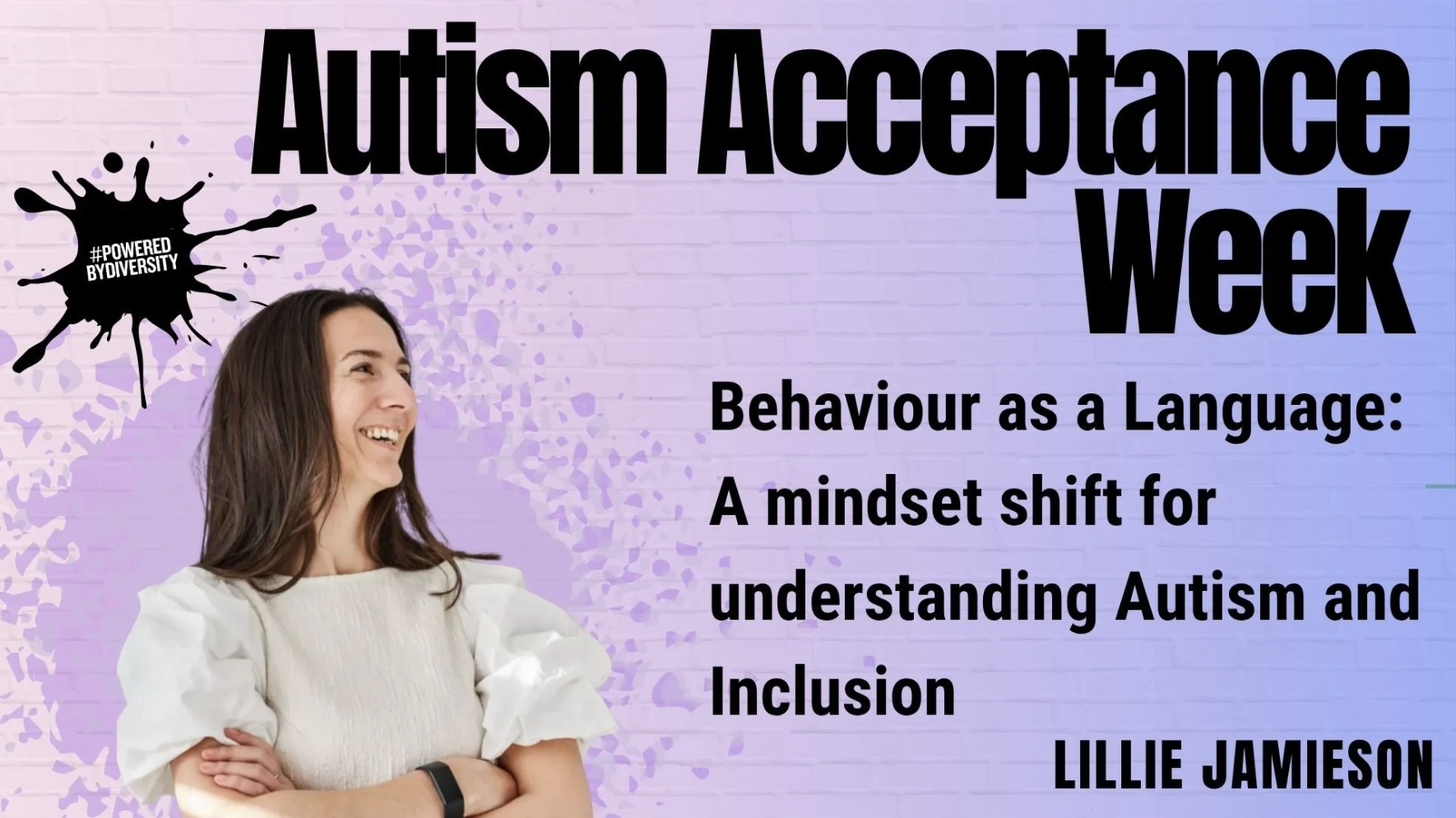
Autism Acceptance Week
Behaviour as a Language: A mindset shift for understanding Autism and Inclusion
Wednesday 1 April 2026
12:00 13:00
Not yet a member of Cultural Calendar Club? Join today or Contact Us.
In most workplaces, behaviour is judged before it’s understood. A quiet colleague might be labelled disengaged, a perfectionist seen as rigid, or someone avoiding social events described as uncooperative. But what if these behaviours aren’t attitude problems - they’re messages?
In this thought-provoking session, we’ll explore how behaviours often communicate underlying needs, stress, or sensory differences, particularly within the context of autism and neurodiversity. From withdrawal and burnout to over-accommodation and people-pleasing, participants will learn to view behaviour as a form of language rather than a performance metric.
Through relatable examples and practical strategies, this talk challenges the traditional “fix the behaviour” mindset and replaces it with curiosity, empathy, and understanding. Attendees will walk away with tools to:
Recognise what behaviour might be communicating.
Create environments that reduce stress and misunderstanding.
Foster trust, inclusion, and authentic engagement.
By shifting from judgement to interpretation, we unlock a more human, inclusive, and compassionate approach to working with all kinds of minds.