April 3: world party day!
Day 3 of our April Cultural Calendar Club takeover and it’s World Party Day. Join us for some great ways to celebrate world party day at work!
April 2: world autism awareness day
Day 2 of our April Cultural Calendar Club takeover and it’s World Autism Awareness Day! Join us to mark the day.
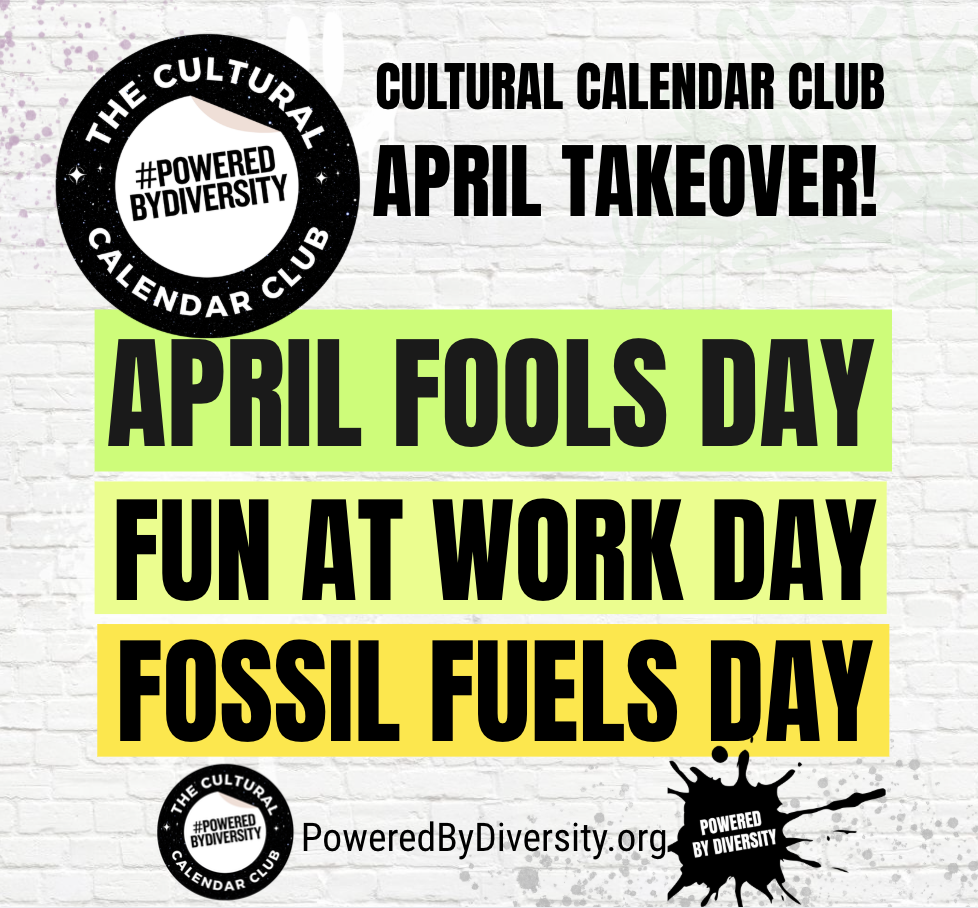
April 1: April Fool’s Day and Cultural Observances
Day 1 of our April Cultural Calendar Club takeover and as most of us know, April 1 is best known around the world as April Fool’s Day - but did you know April 1 also marks International Fun at Work Day and Fossil Fools Day?
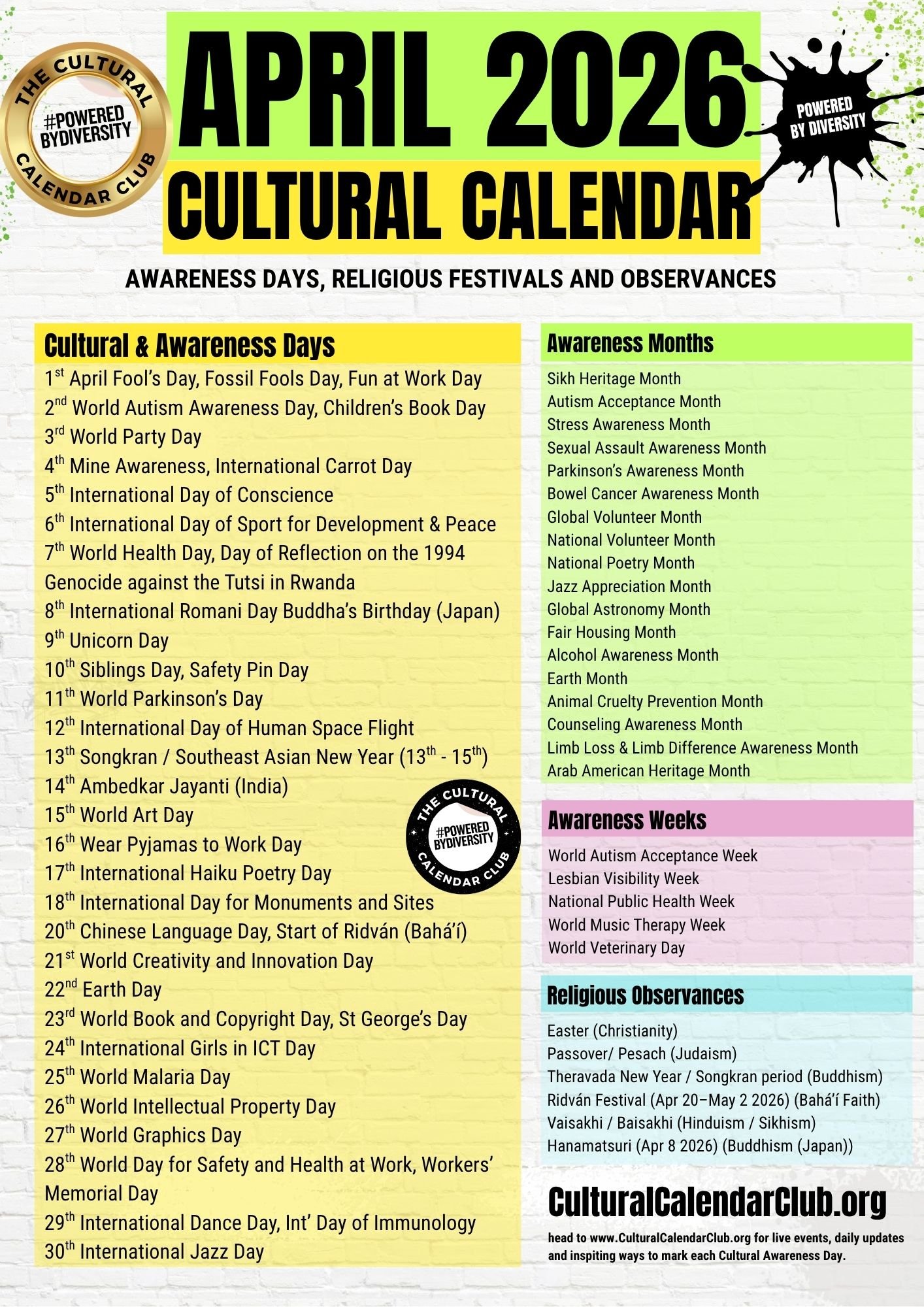
Cultural Calendar takeover: April awareness Days, Religious Festivals and Cultural Observances
April is a month of Cultural Calendar Club takeover! What a month to do it - April is full of awareness days, religious festivals and cultural celebrations including World Health Day, Earth Day and Vaisakhi. Join us to explore the April cultural calendar and discover key observances happening throughout the month.

How I have difficult conversations
To close our series on the intersection between Neurodiversity and Difficult Conversations, we asked Pk Kulasegram to share their perspective.
Pk brings lived experience, emotional intelligence and practical clarity to this topic - not bravado.
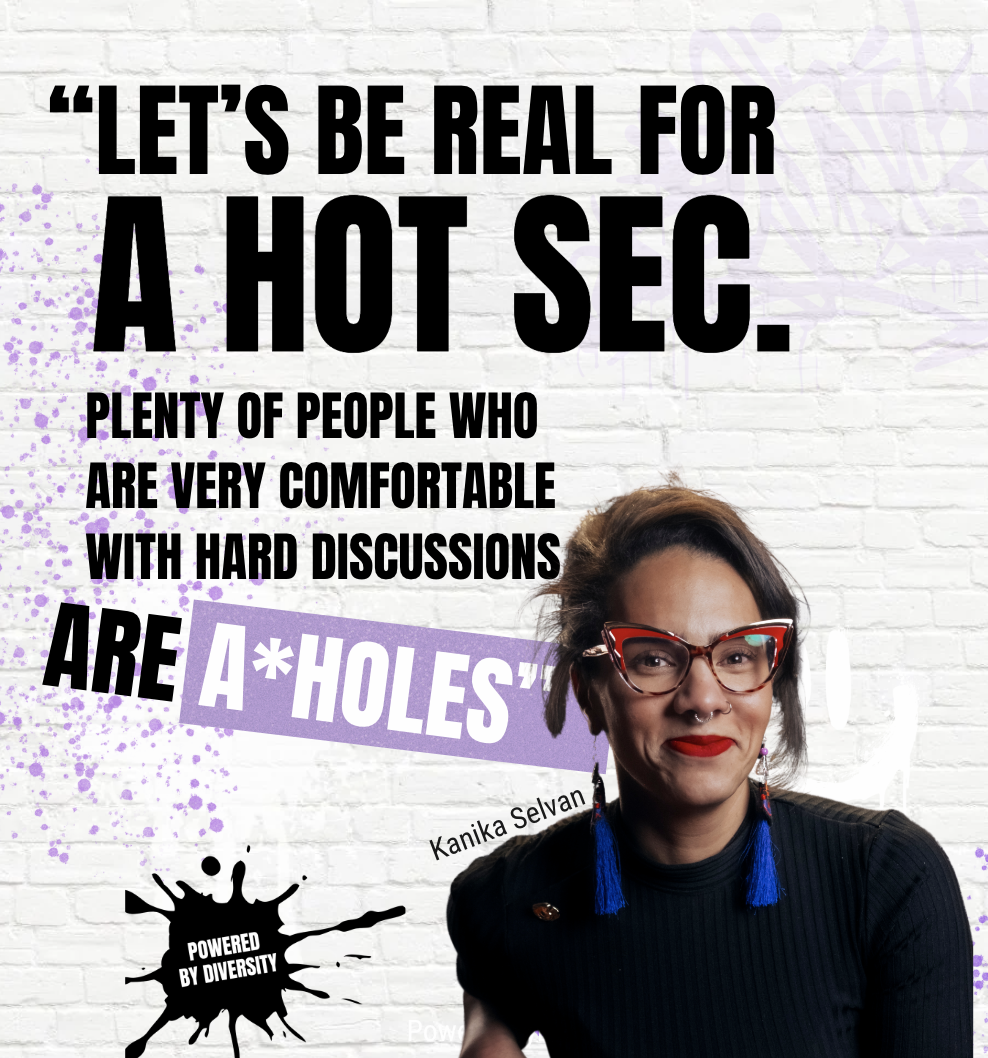
Kanika’s reflections on navigating difficult conversations as a neurodivergent person.
Difficult conversations aren’t really about courage. They’re about power, safety and consequence. When workplaces avoid hard discussions, the impact doesn’t disappear, it travels downward. In this piece, Kanika Selvan explores avoidance culture, discernment and why being “good” at difficult conversations is often a survival skill, not a personality trait.
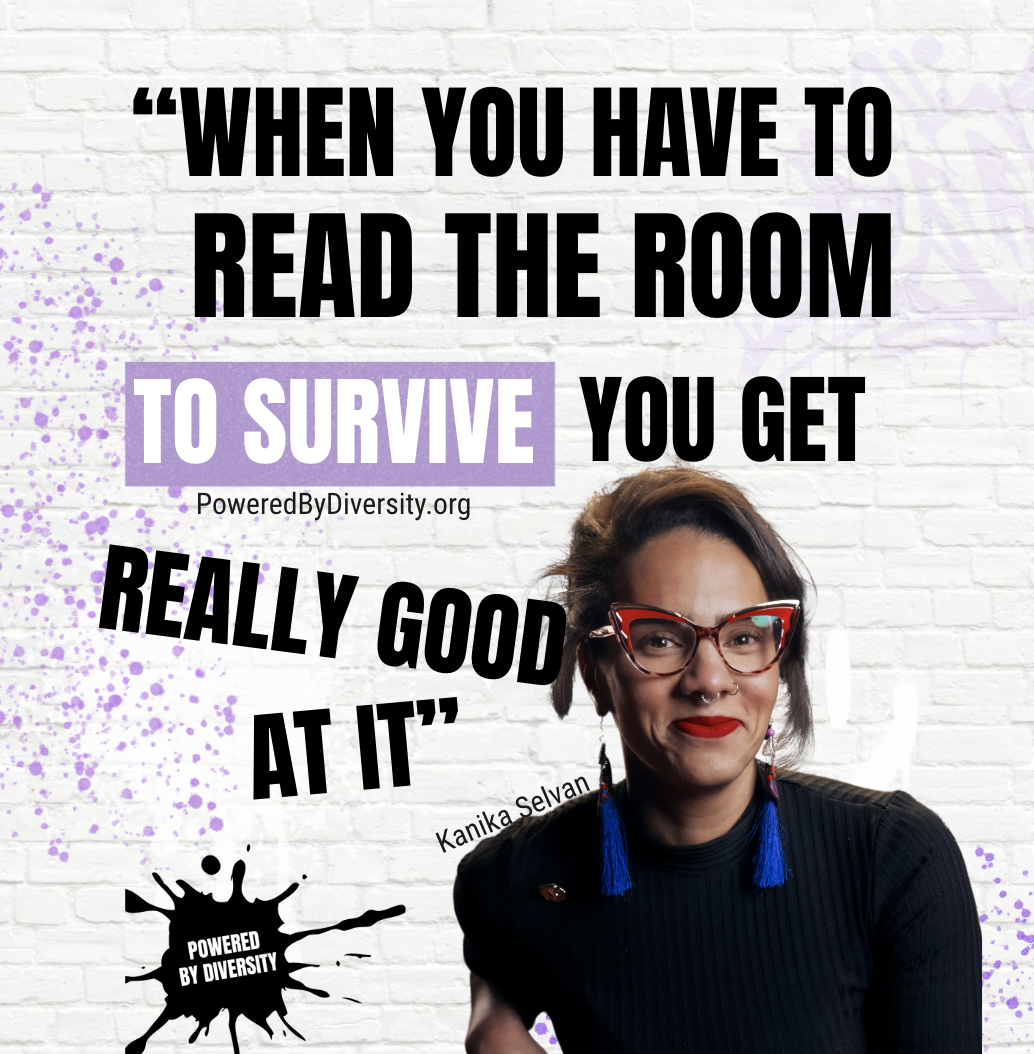
When you have to read the room…you get good at it.
Kanika Selvan doesn’t enjoy difficult conversations. She doesn’t train in it or sell a framework or package. But she is very good at them - because she’s had to be.
Sometimes difficult conversations aren’t confidence - they’re survival skills.
Neurodivergence, Culture and the Power of Workplace Acceptance
What happens when your culture doesn’t openly talk about ADHD…
In today’s video Amit Singh Kalley talks about how neurodivergence isn’t something widely discussed in his community.
When “It’s Just an Excuse” Isn’t the Truth.
When Amit Singh Kalley shared that colleagues told him he was using ADHD as an “excuse for bad behaviour,” it exposed a prevalent bias in many workplaces. Neurodivergence is too often framed as a character flaw, an excuse for behaving however you like, rather than a cognitive difference. Let’s talk about that today.