
How I have difficult conversations
Why this Matters for NEURODIVERSITY CELEBRATION WEEK AND AUTISM ACCEPTANCE week
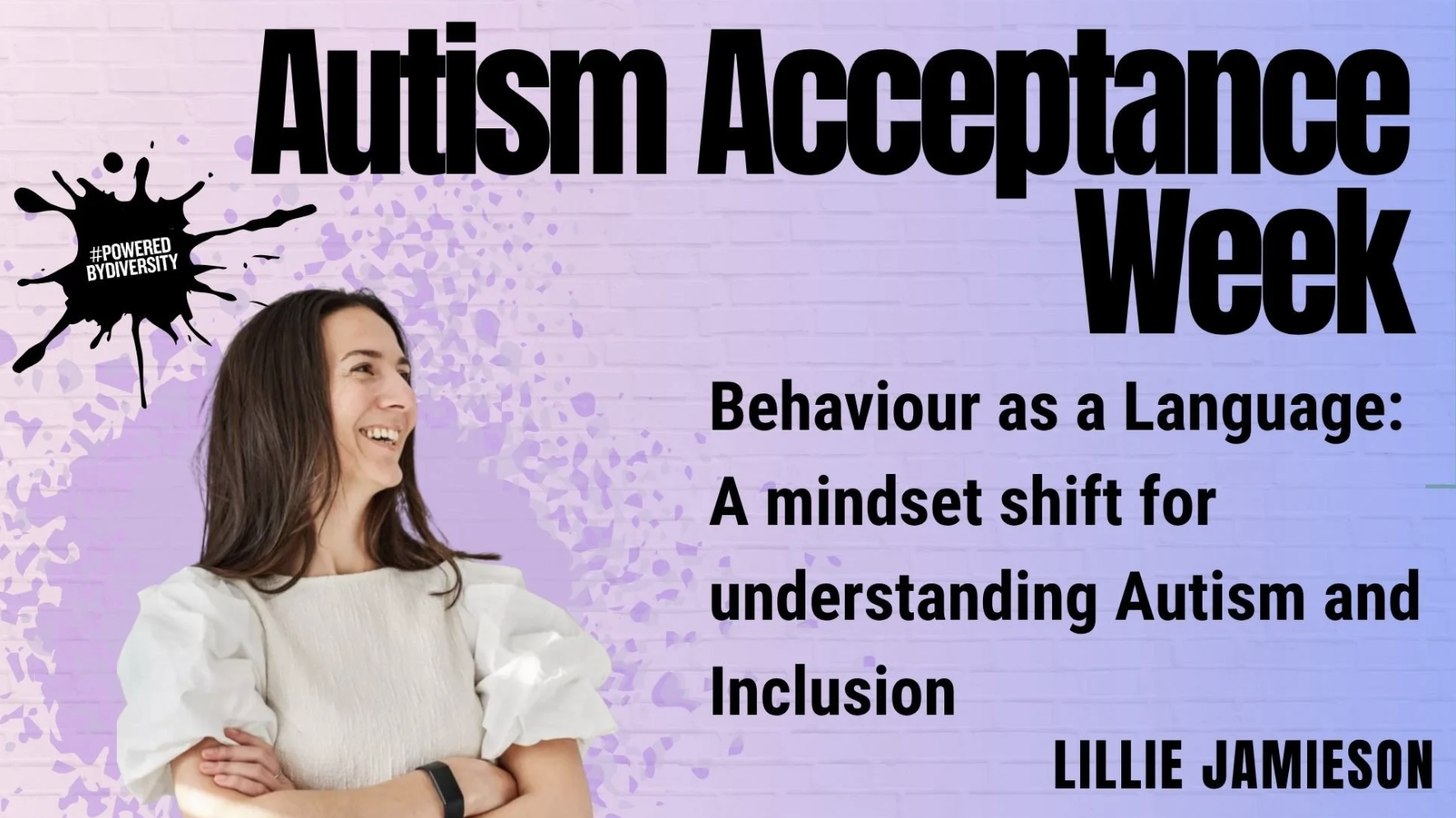
Join us next Wednesday (1st April) 12-1 for Cultural Calendar Club live event Understanding Autism & Inclusion: Book Your Place
Not yet a member of Cultural Calendar Club? Join today or Contact Us.
Intro and commentary by powered by diversity founder Cat Wildman
Every time we have run our EDI diagnostic (hundreds of times now) around half of employees say they would like training about how to have difficult conversations.
Our content on Difficult Conversations back in March resonated with so many of you that as we came into these weeks of talking about Neurodivergence, I asked a couple of our neurodivergent experts to put their spin on things for you.
For many reasons, Pk Kulasegram has had more difficult conversations - probably in the last year alone - that many of us have had hot dinners.
I hope you enjoy Pk’s video on Difficult Conversations (below), delivered in their signature calm, understanding and non judgemental style.
Running alongside it is a quick summary of the content for you to refer back to in crucial moments:
PK kulasegram’s difficult conversations advice
first, flip your mindset
If you think of it as a “Difficult Conversation”, it probably will be.
Mindset is everything here. The more you pysch yourself up to it being a difficult conversation, the more you are prepping your brain for conflict.
Your demeanour, body language and all your mental filters will be primed for a difficult conversation.
Can you re-frame the conversation in your mind to be something else, for example “a conversation that may potentially include emotional elements, but one in which I can be calm and listen with compassionate curiosity?”
Pk’s mindset to anchor to before the conversation: I want to work together with you to resolve this, ideally in a way that works for us both.
“Compassionate curiosity is about using an empathetic understanding of someone else, to connect, grow and reach consensus.”
PK Kulasegram
The test here is, will you be able to treat it as a ‘conversation’? I.e. two people being able to have inputs, back and forth with the outcome being something along the lines of a mutual understanding. If not, proceed to point 3. If so, proceed to point 1.
1. What do I actually want to know/ hope to achieve
Before the conversation, get completely clear on what information you want to know. Maybe you’re hoping to get a better understanding of why someone is behaving/ behaved in a certain way, maybe you want to understand someone’s feelings about a certain thing.
The clearer you are about what you hope to understand from the conversation, the more likely you are to go into it with curiosity (rather than confrontation).
2. Why do I want to know this?
The more you can get clear yourself on why it is important for you to know this, the more likely you will be to go into the conversation focussed on an outcome of consensus.
I am really angry that X did this again, I am going to talk to them about it because it can’t keep happening.
Versus
I wish I knew why X did that again, I’m going to talk to them to find out why so we can try and make sure it doesn’t happen again.
Are two subtly different mindsets that could lead to two very different conversations.
3. Is this the most appropriate way to do this?
Will I be able to emotionally regulate myself?
Will I be able to hold the space for the other person to explain?
Do we share enough mutual respect and trust for each other for this to have a good outcome?
Am I the right person for them to open up to, or would someone else be more appropriate?
Where are we going to have this conversation and when?
If your answers to this are that you are ready and the situation is right, consider getting buy in before the conversation. “I’d like to have a conversation with you about this, because I want to understand, and see how we move forward” sets the scene, gets consent from the get-go and conversations will naturally be more productive as a result.
“I’d like to have a conversation with you about this, because I want to understand, and see how we move forward” sets the scene, gets consent from the get-go and conversations will naturally be more productive as a result.”
PK Kulasegram.
4. What answer/ outcome am I expecting?
It’s important to be honest with ourselves here - but also compassionate and curious with ourselves.
When you know the answer you’re expecting you can not only prepare for how you will handle the conversation, you can also prepare for different answers, which directly addresses a huge fear many people carry about these types of conversations; the fear of the unknown.
Mentally exploring all the ways it could go beforehand can remove some of that fear and prepare our brains for it going in any number of different ways.
5. What will I do differently knowing this information?
Nothing is a valid answer here but do play around with different things, are you prepared to adjust anything based on the outcome of the conversation? If so, what?
The most important takeaway is get into the mindset where you genuinely want to understand the other person’s point of view and use that understanding to connect and move forward to together.
🔔 coming up on The Work Edit:
Tomorrow: Neurodivergence and difficult conversations: Kanika’s Top 5 Learnings
Want to feel more confident talking about neurodiversity and other topics at work?
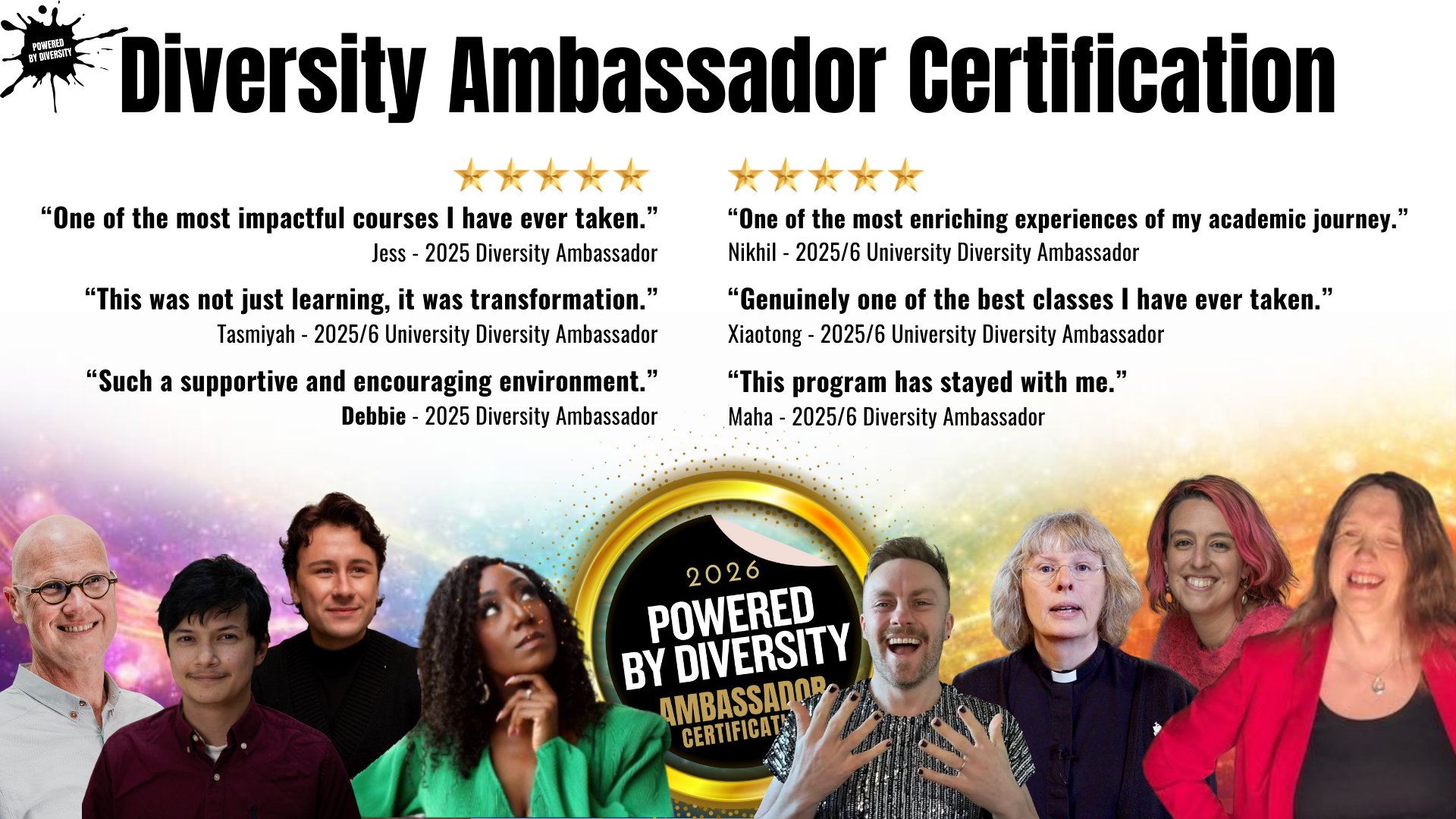
Click here to book your place! (please be aware the cohorts fill up quickly)
You can find out more here or Get in touch for a chat
the 2026 Diversity Ambassador certification is now open for booking! 🎉
Six classes held via Teams | Every Thursday | from 12 - 1:30pm
Class Schedule:
7 May, 12-1:30 - Examining Beliefs - Foundations of EDI
14 May, 12-1:30 - Today's Sex & Equality Landscape
21 May, 12-1:30 - Flags, Pronouns & Human Rights
28 May, 12-1:30 - Talkin' 'Bout my Generation
4 Jun, 12-1:30 - Anti-ableist. Neuro inclusive. Access for all
11 Jun, 12-1:30 - Talking About Race Today
coming up on Cultural Calendar Club
12 Months of live, inspiring, entertaining talks events, made financially accessible for all organisations
Not yet a member of Cultural Calendar Club? Join today or Contact Us.
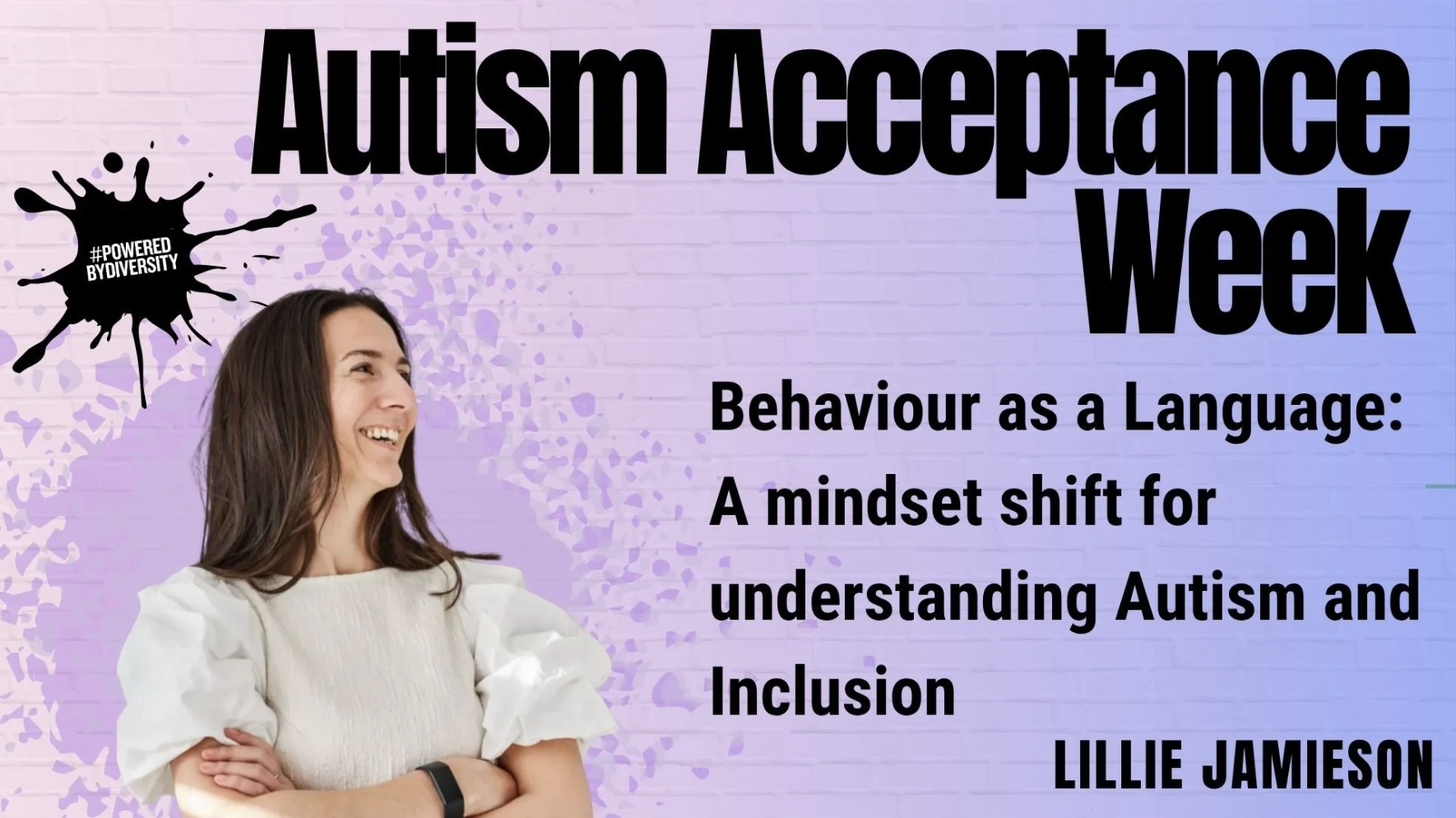
Autism Acceptance Week
Behaviour as a Language: A mindset shift for understanding Autism and Inclusion
Wednesday 1 April 2026
12:00 13:00
Not yet a member of Cultural Calendar Club? Join today or Contact Us.
In most workplaces, behaviour is judged before it’s understood. A quiet colleague might be labelled disengaged, a perfectionist seen as rigid, or someone avoiding social events described as uncooperative. But what if these behaviours aren’t attitude problems - they’re messages?
In this thought-provoking session, we’ll explore how behaviours often communicate underlying needs, stress, or sensory differences, particularly within the context of autism and neurodiversity. From withdrawal and burnout to over-accommodation and people-pleasing, participants will learn to view behaviour as a form of language rather than a performance metric.
Through relatable examples and practical strategies, this talk challenges the traditional “fix the behaviour” mindset and replaces it with curiosity, empathy, and understanding. Attendees will walk away with tools to:
Recognise what behaviour might be communicating.
Create environments that reduce stress and misunderstanding.
Foster trust, inclusion, and authentic engagement.
By shifting from judgement to interpretation, we unlock a more human, inclusive, and compassionate approach to working with all kinds of minds.