The Dangers of Social Media for Neurodivergent Children (And How We Can Protect Them)
Why this Matters for NEURODIVERSITY CELEBRATION WEEK AND AUTISM ACCEPTANCE week
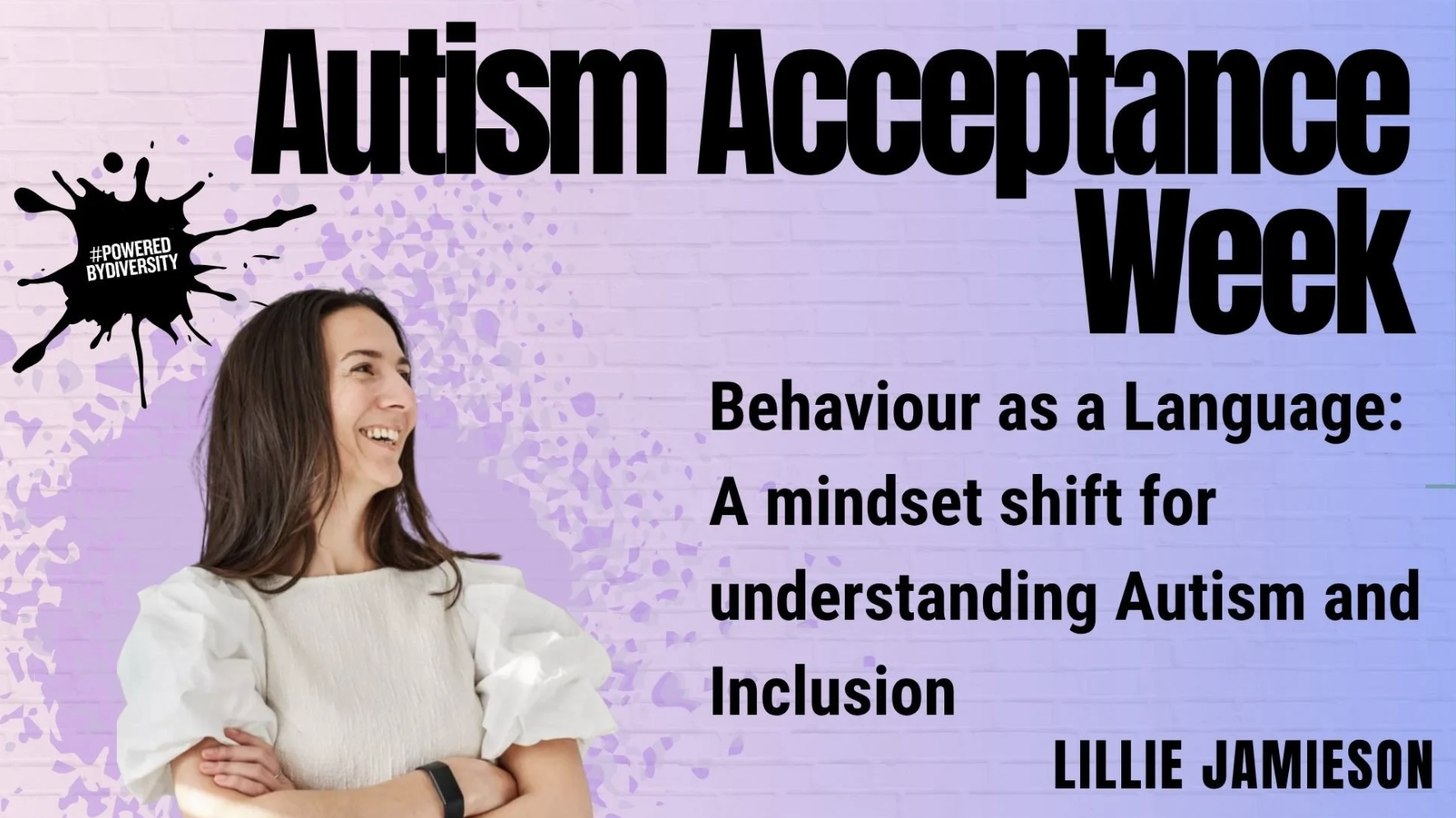
Join us on Wednesday (1st April) 12-1 for Cultural Calendar Club live event Understanding Autism & Inclusion: Book Your Place
Not yet a member of Cultural Calendar Club? Join today or Contact Us.
Social media is a huge part of modern childhood. Platforms like Instagram, TikTok, Snapchat and YouTube shape how young people communicate, learn, and see themselves. But for neurodivergent children (which includes those with autism, ADHD, dyslexia, dyspraxia, Tourette’s and other neurodivergent profiles) social media can present unique and serious risks that parents, carers, and educators must understand.
At Powered by Diversity, we work with families, schools and organisations to support neurodivergent young people through training, workshops and live events. One topic that comes up again and again is the impact of social media on neurodivergent mental health, self-esteem and safety.
This article explores the real dangers of social media for neurodivergent kids, why they are more vulnerable, and what adults can do to protect them.
Why Social Media Affects Neurodivergent Children Differently
Neurodivergent children often experience the world differently. They may take language literally, struggle with social cues, be more (too) trusting of others, experience rejection more intensely, develop intense interests or hyperfocus, experience anxiety, RSD (Rejection Sensitive Dysphoria), or low self-esteem, mask their difficulties to fit in.
Social media amplifies all of these challenges.
Social media platforms are entirely designed around social comparison, instant feedback, and constant interaction, which can be overwhelming and emotionally intense for neurodivergent young people.
Online Bullying and Social Exclusion
One of the biggest dangers of social media for neurodivergent children is cyberbullying.
Neurodivergent children are statistically more likely to be bullied in school, and unfortunately this often continues online through group chats, private messaging, exclusion from online groups, mocking posts or comments, fake accounts, sharing screenshots and attempts at public embarrassment.
Because many neurodivergent children struggle to read tone or sarcasm, they may not realise they are being bullied until significant emotional damage has already been done.
Cyberbullying is particularly harmful because it happens 24/7, in a world where phones are right there constantly, there is no safe space away from it. Posts can also be shared widely, it can feel like the whole world is watching and the child cannot see facial expressions or intent.
This can lead to anxiety, school refusal, depression, burnout and withdrawal.
Grooming, Manipulation and Online Safety Risks
Many neurodivergent children are more trusting, more literal, and more likely to believe what people tell them, which can make them more vulnerable to online grooming, manipulation, exploitation, catfishing, coercion, pressure to send images and being encouraged to share personal information
If a child struggles with social acceptance offline, the attention and validation from someone online can feel incredibly powerful. This makes it easier for manipulative individuals to build trust quickly.
This is why online safety education must be different for neurodivergent children, simply saying “don’t talk to strangers” is not enough.
They need clear rules. Working out scripts together can be helpful, with plenty of examples. You can role play scenarios together and give them pointers on what is Ok and what is not OK, What to look out for, when to ask you or another trusted adult for a second opinion, and how to respond.
Just like I ask my son about whether there were “any dramas at school today” (because he often can’t make sense of what happened on his own) I will ask whether there were any online dramas - and just the same, I’ll help him try and understand what was going on, why people were upset or angry, why it was inadvisable or hurtful and we’ll casually roleplay how he might act if she was in that situation. I’ll say something casual like “they probably should have just deleted it” and he’ll say “or they could say xyz” and I will comment on what the impact of that might be and so on.
Edwin - parent
With neurodivergent kids it’s important to repeatedly have these conversations - one ‘talk’ isn’t enough. There is a ton of nuance online, and millions of different scenarios they will face, keeping an ongoing conversation happening is crucial. Consider building it into your daily chats - just like asking about school, ask about their life online too.
My AuDHD daughter and I chat about her online life as much as we do her offline life. I’ll say something non-confrontational like “seen anything funny on your phone today?” and she will show me funny memes and things she’s been sent. These are great conversation starters for us as she often won’t realise that something she’s been sent or something someone has shared could be viewed as offensive or inappropriate so we’ll have a chat about it.
Charlotte - parent
Social Comparison and Self-Esteem
Social media is built around comparison: Likes, followers, views, comments, appearance, popularity, lifestyle…
For neurodivergent children who may already feel “different” or like they don’t fit in, constant exposure to curated, filtered lives can reinforce feelings of not being good enough, being ‘weird’, being unlikeable or unattractive, being left out or being behind socially.
Many neurodivergent young people already mask all day at school trying to fit in. Social media adds another layer of pressure to perform and appear “normal”, which can lead to exhaustion and burnout.
Dopamine, Addiction and Hyperfocus
Many neurodivergent children, particularly those with ADHD, are more vulnerable to social media addiction due to dopamine seeking.
Social media platforms are designed to keep users scrolling through short videos, endless feeds, constant notifications, likes and comments, algorithm-driven content designed to be addictive.
This can lead to sleep problems, reduced attention span, emotional dysregulation, irritability, reduced motivation for school work, hyperfocus scrolling for hours and increased anxiety
For some neurodivergent children, social media becomes a coping mechanism, a special interest, and a source of dopamine all at once, making it very difficult to regulate use.
Exposure to Harmful Content
Algorithms quickly learn what a child watches and can begin showing content which as parents you probably wouldn’t want them to see. The top 10 worries for concerned parents about what the algorithms are showing their kids are:
Eating disorder content
Self-harm content
Extreme opinions
Bullying videos
Misleading mental health content
Unrealistic body images
Negative narratives about autism or ADHD
Toxic “productivity” content
Gender or identity pressure content
Fear-based news and content
Neurodivergent children who hyperfocus on topics can fall into content rabbit holes very quickly!
Signs Social Media Is Affecting a Neurodivergent Child
Parents and teachers should watch for:
Increased anxiety after using phone
Obsessively checking messages
Emotional meltdowns linked to online interactions
Suddenly not wanting to go to school
Sleep problems
Secretive behaviour around phone
Extreme distress about likes, followers or comments
Talking about online friends constantly
Withdrawal from real-life activities
Mood swings linked to phone use
Low self-esteem or comparing themselves to others
How to Protect Neurodivergent Children on Social Media
Many parents choose to keep their kids off social media entirely. At Powered By Diversity we vary from complete social media ban to WhatsApp and You Tube Kids is allowed, to not banning social media at all and instead and supporting, supervised, and educated use.
Here are our top recommendations for how to protect neurodivergent kids on social media:
Delay social media as long as possible
Use parental controls
Keep devices out of bedrooms at night
Have regular open conversations
Teach explicit online safety rules
Teach what manipulation looks like
Role play scenarios
Agree screen time limits
Follow positive neurodivergent creators
Teach that followers and likes do not equal worth
Encourage offline hobbies and friendships
Watch for changes in behaviour
Make sure the child knows they can tell you anything without getting in trouble
Most importantly, children need to know that if something goes wrong online, you are their safe person and they will be helped through it.
Supporting Neurodivergent Young People in a Digital World
Social media is not going away. Although it can be really scary rto think about, the answer is not fear, it is education, understanding, boundaries and support.
Neurodivergent children do not just need internet safety lessons, they need clear guidelines and limits, social communication education, emotional regulation strategies, self-esteem support, safe online behaviour explicitly taught
Above all what you can provide for them is trusted adults they can talk to and an environment where they feel accepted offline. This is why training for parents, schools and organisations is so important.
Powered by Diversity Training and Events
At Powered by Diversity, we deliver live events, training and workshops to help:
Schools
Parents
Organisations
Youth groups
Charities
Businesses
Community groups
to understand neurodiversity, inclusion, safety, communication and wellbeing.
If you would like training on:
Neurodiversity
Online safety for neurodivergent children
Inclusive education
Supporting autistic students
ADHD support strategies
Workplace neurodiversity
Parent workshops
Staff training
Conferences and speaking events
Get in touch with us today.
🔔 coming up on The Work Edit:
Tomorrow: Your full April Cultural Calendar downloadable and the start of an action-packed month!
coming up on Cultural Calendar Club
12 Months of live, inspiring, entertaining talks events, made financially accessible for all organisations
Not yet a member of Cultural Calendar Club? Join today or Contact Us.
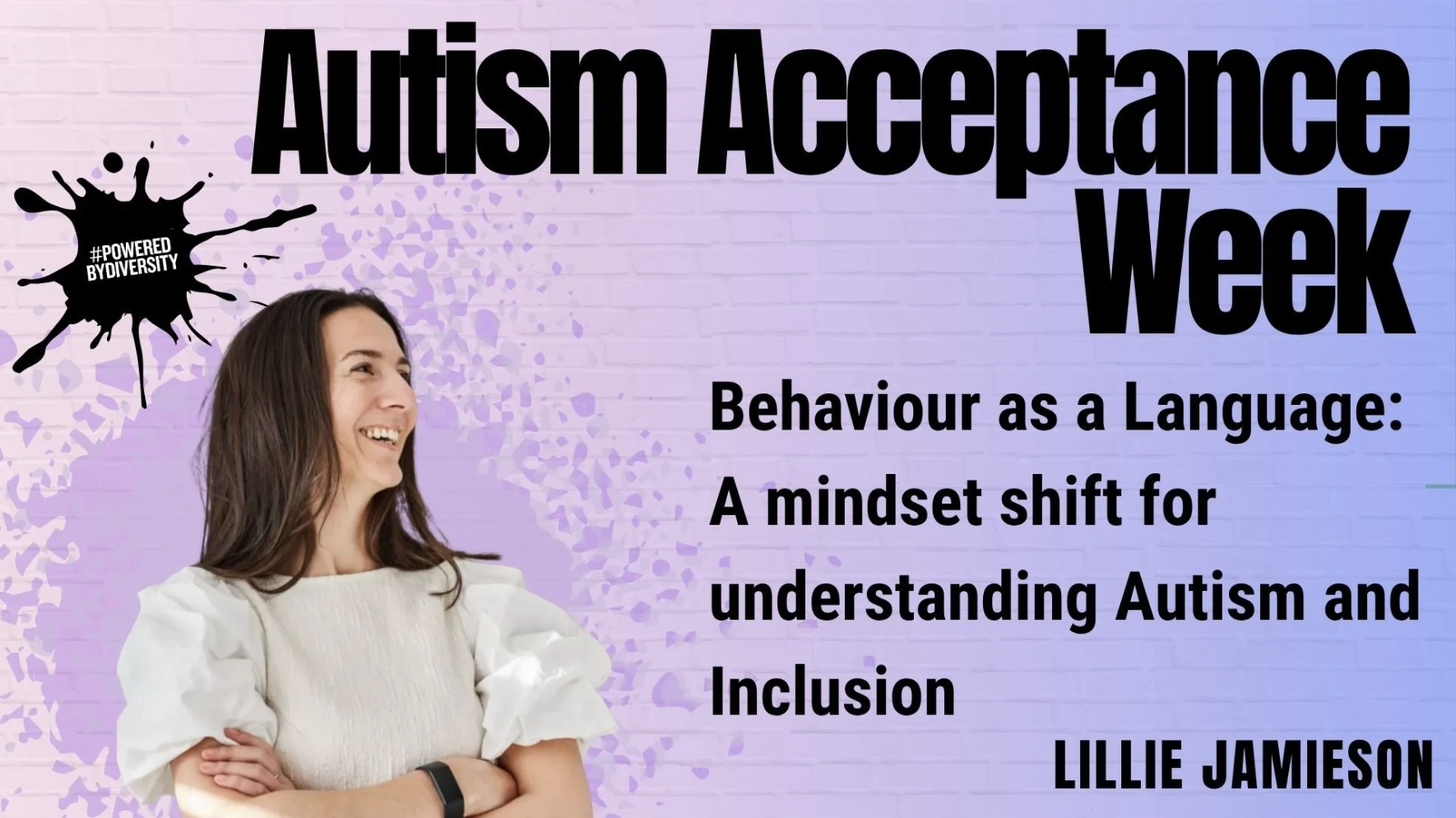
Autism Acceptance Week
Behaviour as a Language: A mindset shift for understanding Autism and Inclusion
Wednesday 1 April 2026
12:00 13:00
Not yet a member of Cultural Calendar Club? Join today or Contact Us.
In most workplaces, behaviour is judged before it’s understood. A quiet colleague might be labelled disengaged, a perfectionist seen as rigid, or someone avoiding social events described as uncooperative. But what if these behaviours aren’t attitude problems - they’re messages?
In this thought-provoking session, we’ll explore how behaviours often communicate underlying needs, stress, or sensory differences, particularly within the context of autism and neurodiversity. From withdrawal and burnout to over-accommodation and people-pleasing, participants will learn to view behaviour as a form of language rather than a performance metric.
Through relatable examples and practical strategies, this talk challenges the traditional “fix the behaviour” mindset and replaces it with curiosity, empathy, and understanding. Attendees will walk away with tools to:
Recognise what behaviour might be communicating.
Create environments that reduce stress and misunderstanding.
Foster trust, inclusion, and authentic engagement.
By shifting from judgement to interpretation, we unlock a more human, inclusive, and compassionate approach to working with all kinds of minds.