
Kanika’s reflections on navigating difficult conversations as a neurodivergent person.
Difficult conversations aren’t really about courage. They’re about power, safety and consequence. When workplaces avoid hard discussions, the impact doesn’t disappear, it travels downward. In this piece, Kanika Selvan explores avoidance culture, discernment and why being “good” at difficult conversations is often a survival skill, not a personality trait.
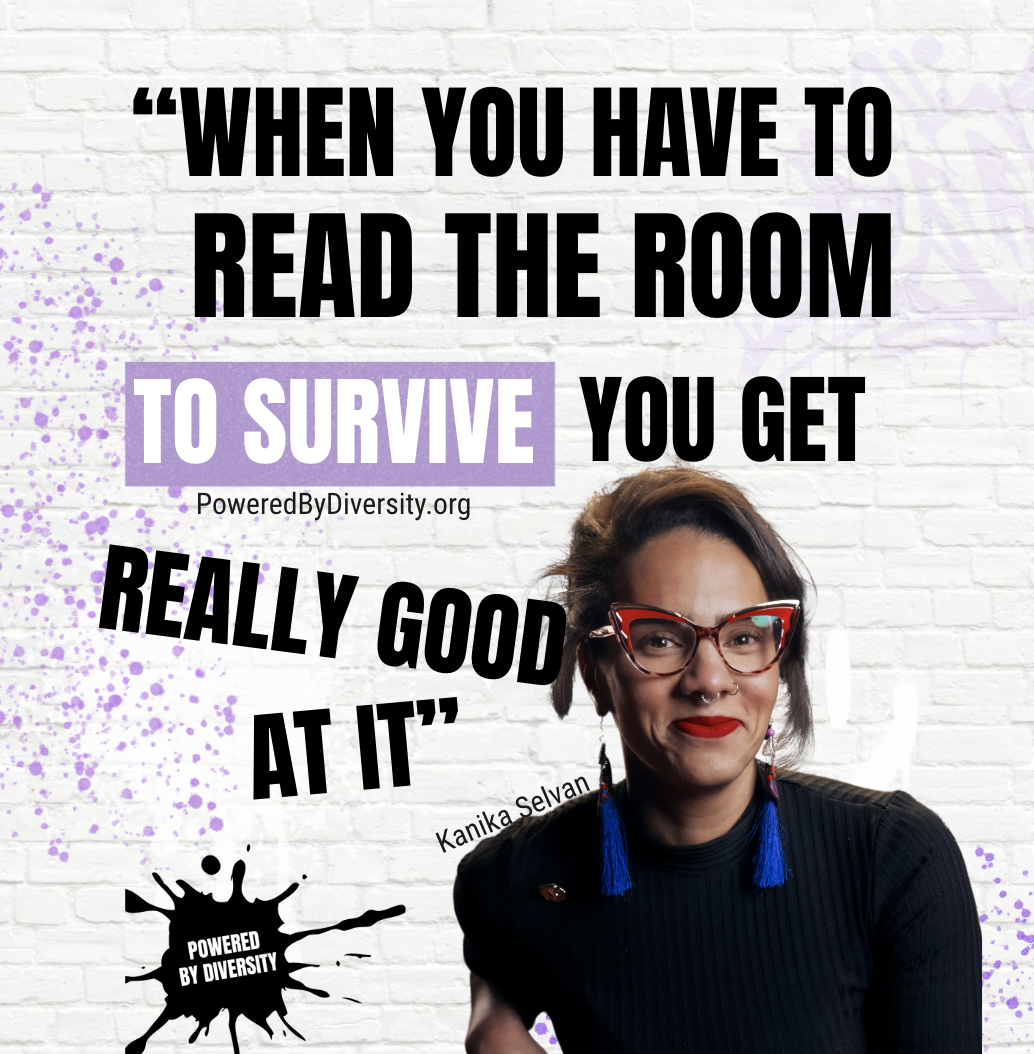
When you have to read the room…you get good at it.
Kanika Selvan doesn’t enjoy difficult conversations. She doesn’t train in it or sell a framework or package. But she is very good at them - because she’s had to be.
Sometimes difficult conversations aren’t confidence - they’re survival skills.
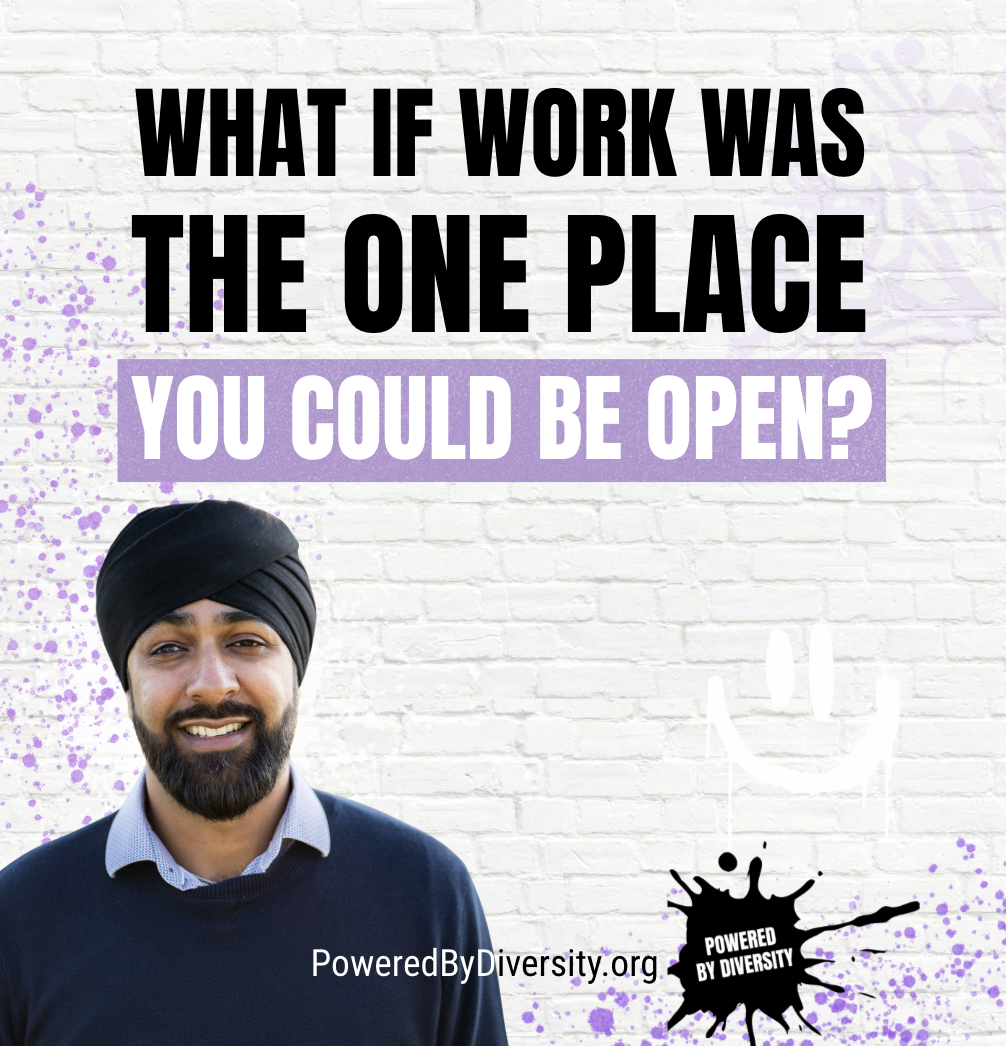
Neurodivergence, Culture and the Power of Workplace Acceptance
What happens when your culture doesn’t openly talk about ADHD…
In today’s video Amit Singh Kalley talks about how neurodivergence isn’t something widely discussed in his community.
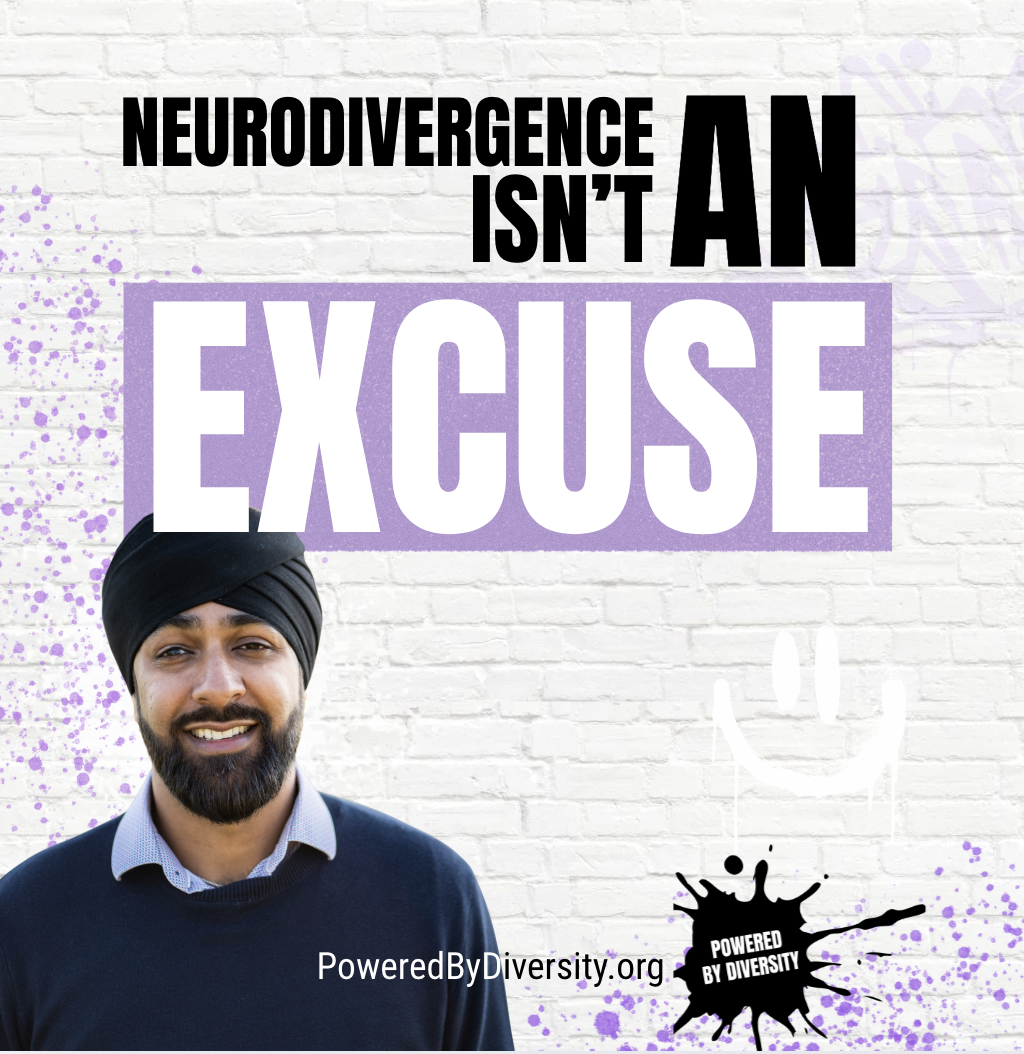
When “It’s Just an Excuse” Isn’t the Truth.
When Amit Singh Kalley shared that colleagues told him he was using ADHD as an “excuse for bad behaviour,” it exposed a prevalent bias in many workplaces. Neurodivergence is too often framed as a character flaw, an excuse for behaving however you like, rather than a cognitive difference. Let’s talk about that today.
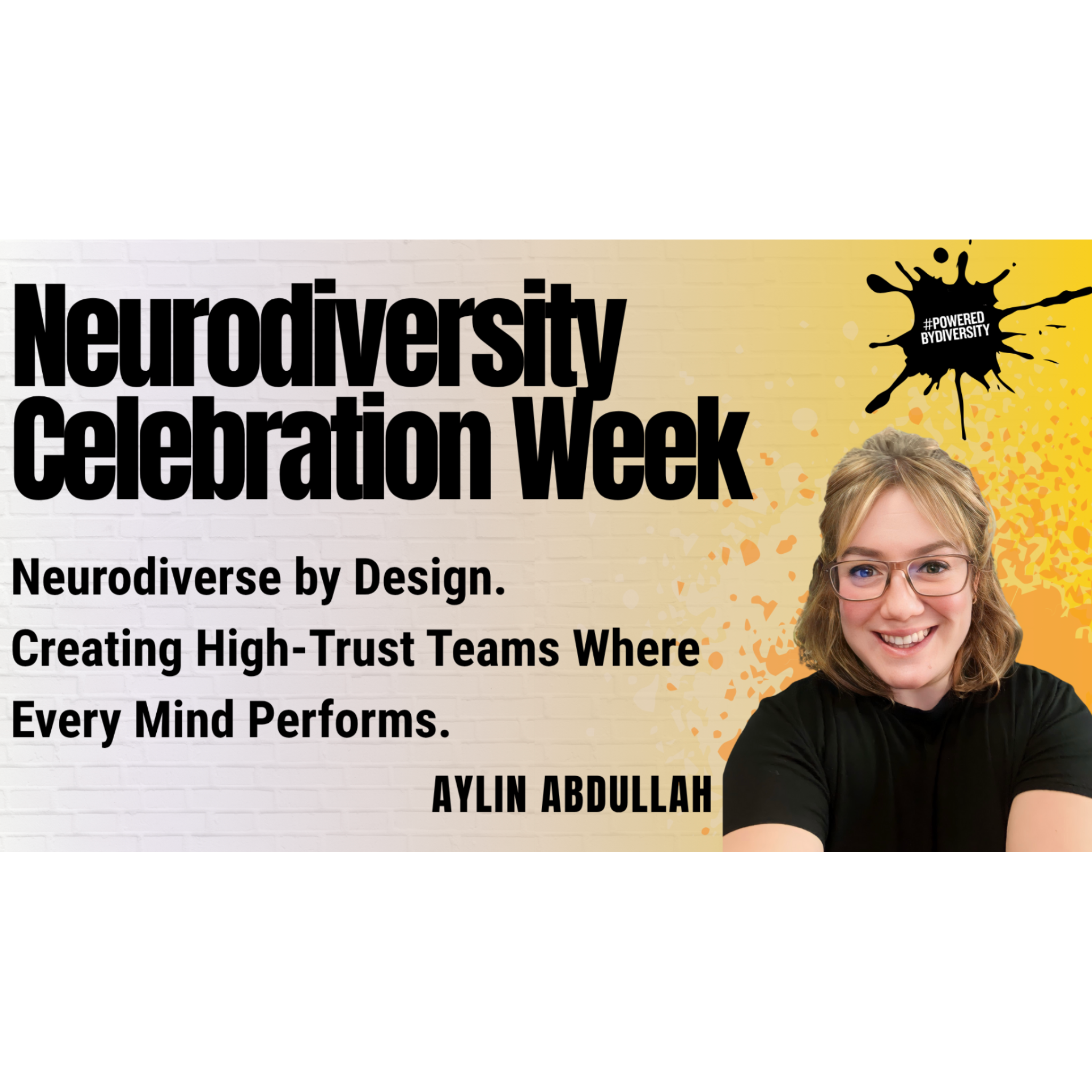
High-Trust Teams: Where Every Mind Performs
High performance doesn’t happen by accident. It’s built on clarity, autonomy and belonging. Neurodiverse by design means structuring work so every mind can perform - and when trust is high, performance follows.
Belonging Is Not Soft. It’s Strategic
Belonging at work isn’t about comfort, it’s about confidence. When psychological safety is present, contribution expands. High-trust teams design for clarity, autonomy and belonging so every mind can perform.
Autonomy Is Not About Freedom; It’s About Trust
Autonomy isn’t about lowering expectations or granting complete freedom - it’s about trust. Mutual trust. When leaders define outcomes clearly and flex control over how work gets done, performance and innovation increase across neurodiverse teams (and all teams).
Ambiguity: the performance killer
Ambiguity at work is often mistaken for empowerment. In reality, unclear expectations and unspoken rules quietly erode trust and performance. Clarity isn’t micromanagement it’s a leadership responsibility that benefits every mind.
Equality Isn’t Just Who Is in the Room. It’s How the Room Works.
Workplace equality isn’t just about representation. It’s about how work is structured. When organisations assume a “standard” professional brain, others spend energy adapting instead of performing. Neurodiverse design isn’t a niche inclusion issue, it’s a performance strategy.