SEPTEMBER 18: Accessibility Is An Act Of Belonging
Creating workplaces, communities and everyday spaces where everyone feels seen, valued and able to be themselves.
When we think about creating a workplace where people feel that they belong, accessibility might not always be the first thing that comes to mind. We might think about representation, relationships or whether people feel comfortable speaking up, but inclusion cannot be truly meaningful if some people still face barriers to accessing the same spaces, information, conversations and opportunities as everyone else.
Accessibility is about more than physical spaces. It means recognising that people communicate, process information and work in different ways, and considering those differences when we create our workplace environments. When accessibility is built in from the beginning rather than added as an afterthought, it sends a powerful message that different needs and ways of working are not an inconvenience, but an expected part of a diverse workplace.
Today, we’re exploring why accessibility is such an important part of belonging, and how small changes can help more people feel welcomed, included and able to participate.
Read more on Cultural Calendar Club…
🔔 coming up on The Work Edit:
Rats, carrots and sport!
coming up on Cultural Calendar Club
12 Months of live, inspiring, entertaining talks events, made financially accessible for all organisations
Not yet a member of Cultural Calendar Club? Join today or Contact Us.
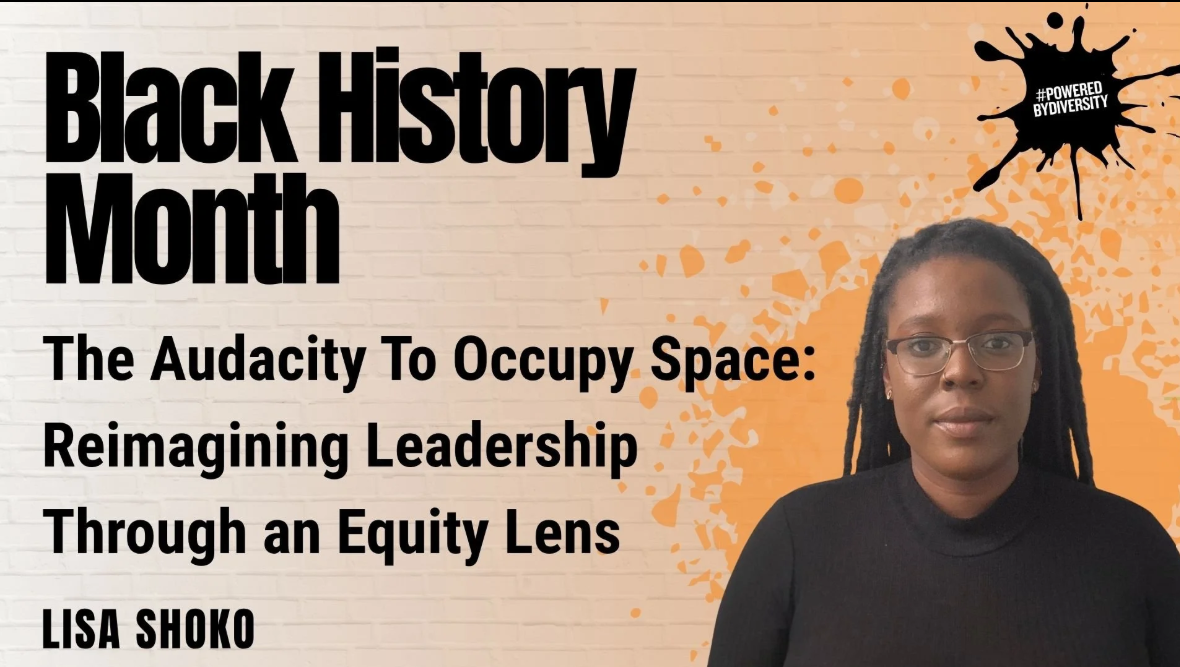
Black History Month: The Audacity To Occupy Space: Reimagining Leadership Through an Equity Lens
Tuesday 06 October 2026
12:00 - 13:00
Not yet a member of Cultural Calendar Club? Join today or Contact Us.
This webinar explores the structural and cultural conditions that determine who is seen as a leader, and challenges how institutions define, reward, and retain leadership. It asks what it takes to occupy leadership spaces when they were not designed to be inclusive especially for racially marginalised people and what must change within organisations to make leadership genuinely equitable.
This session is not about ‘inviting’ people into leadership. It’s about interrogating the gatekeeping practices, racialised expectations, and hierarchies of legitimacy that shape who gets to lead and how they are treated when they do.