
Creating workplaces, communities and everyday spaces where everyone feels seen, valued and able to be themselves.
Sometimes, belonging begins before we have even walked through the door. It can begin when we look at an organisation, a team or a leadership group and recognise something of ourselves within it, or when we see people with different backgrounds and experiences succeeding in roles that we might once have assumed were not meant for people like us. Representation can quietly challenge the assumptions we carry about who belongs where, what a successful career looks like and whether there is a place for someone with our experiences to grow and thrive.
In the workplace, seeing a diverse range of people represented is about far more than creating a positive image or meeting a target. It can help people imagine possibilities, challenge stereotypes and understand that they do not have to fit one particular idea of what a colleague, expert or leader should look like. When people can see different routes to success reflected around them, it can send a powerful message that their own journey does not have to look exactly like anyone else's to have value.
Today, we’re exploring why representation matters, what it can communicate about belonging and opportunity, and why creating genuine space for people means looking not only at who is in the room, but who has the opportunity to shape what happens there.
Read more on Cultural Calendar Club…
🔔 coming up on The Work Edit:
Rats, carrots and sport!
coming up on Cultural Calendar Club
12 Months of live, inspiring, entertaining talks events, made financially accessible for all organisations
Not yet a member of Cultural Calendar Club? Join today or Contact Us.
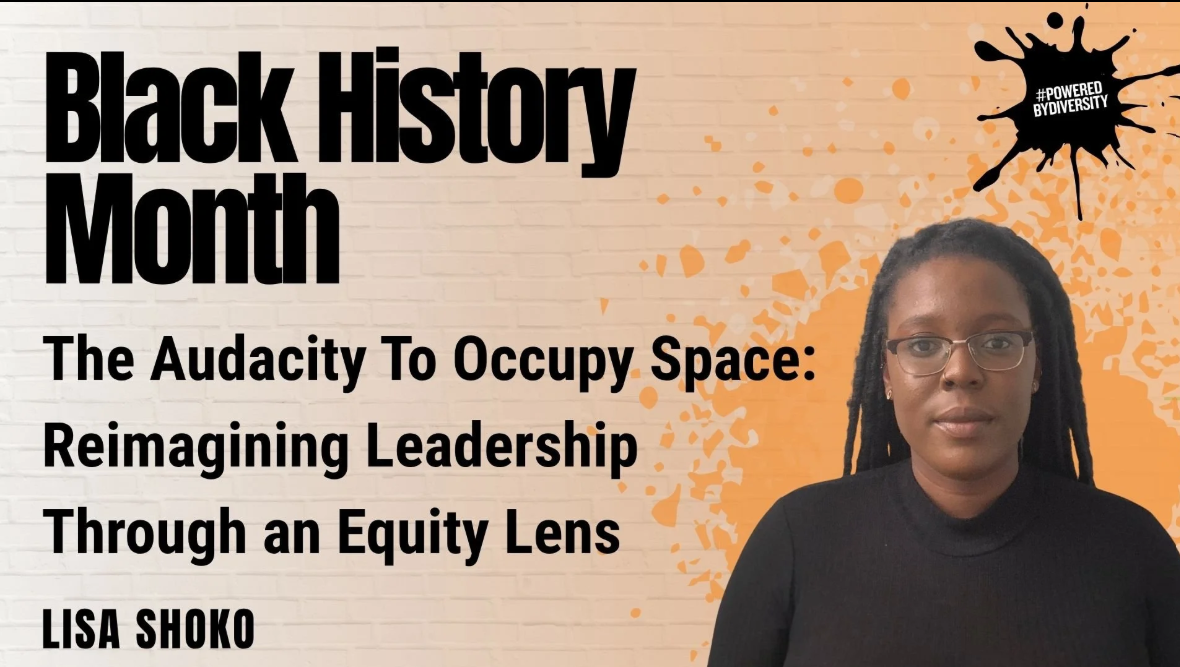
Black History Month: The Audacity To Occupy Space: Reimagining Leadership Through an Equity Lens
Tuesday 06 October 2026
12:00 - 13:00
Not yet a member of Cultural Calendar Club? Join today or Contact Us.
This webinar explores the structural and cultural conditions that determine who is seen as a leader, and challenges how institutions define, reward, and retain leadership. It asks what it takes to occupy leadership spaces when they were not designed to be inclusive especially for racially marginalised people and what must change within organisations to make leadership genuinely equitable.
This session is not about ‘inviting’ people into leadership. It’s about interrogating the gatekeeping practices, racialised expectations, and hierarchies of legitimacy that shape who gets to lead and how they are treated when they do.