SEPTEMBER 27: Inclusion is something we practice
Creating workplaces, communities and everyday spaces where everyone feels seen, valued and able to be themselves.
Inclusion is often talked about in terms of what organisations have in place: the policies we write, the commitments we make and the initiatives we introduce. These things matter, but inclusion really comes to life in the everyday moments between them, through the choices we make, the habits we develop and the way we respond to the people around us.
None of us will get it right every time, and perhaps that is part of the point. Creating more inclusive workplaces is an ongoing process of listening, learning, noticing what could be better and being willing to make small changes along the way. It is less about reaching a perfect destination and more about the direction we choose to travel in together.
Today, we’re exploring why inclusion is something we practice, and how the small behaviours we repeat can gradually become part of the culture we create.
Read more on Cultural Calendar Club…
🔔 coming up on The Work Edit:
Rats, carrots and sport!
coming up on Cultural Calendar Club
12 Months of live, inspiring, entertaining talks events, made financially accessible for all organisations
Not yet a member of Cultural Calendar Club? Join today or Contact Us.
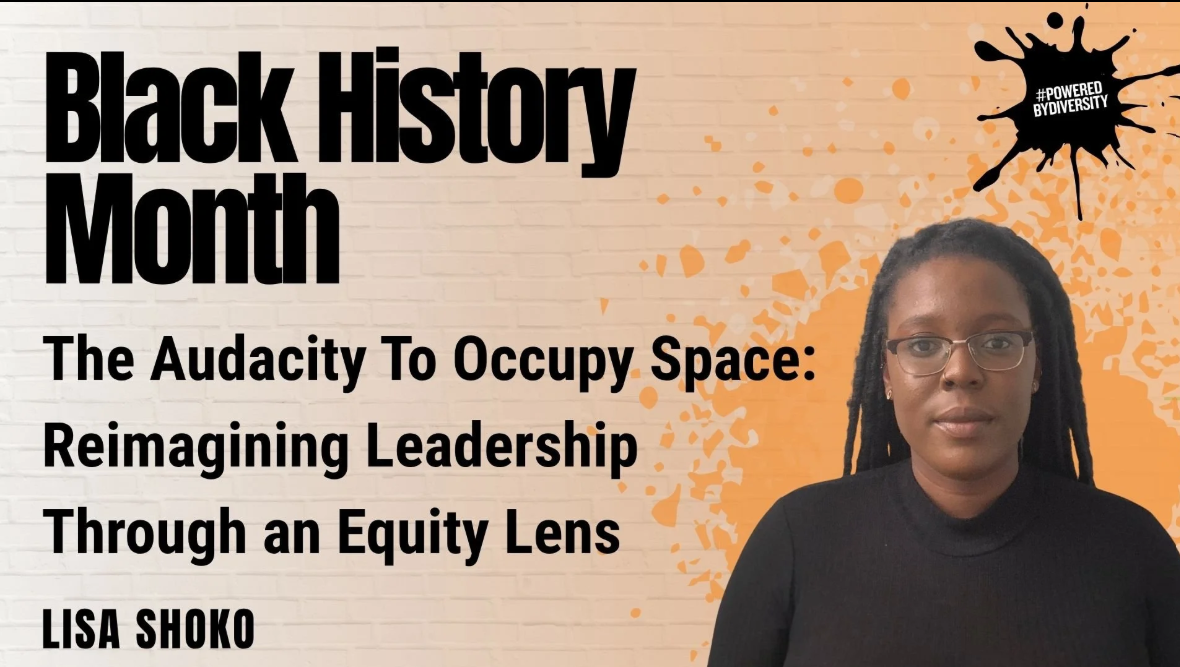
Black History Month: The Audacity To Occupy Space: Reimagining Leadership Through an Equity Lens
Tuesday 06 October 2026
12:00 - 13:00
Not yet a member of Cultural Calendar Club? Join today or Contact Us.
This webinar explores the structural and cultural conditions that determine who is seen as a leader, and challenges how institutions define, reward, and retain leadership. It asks what it takes to occupy leadership spaces when they were not designed to be inclusive especially for racially marginalised people and what must change within organisations to make leadership genuinely equitable.
This session is not about ‘inviting’ people into leadership. It’s about interrogating the gatekeeping practices, racialised expectations, and hierarchies of legitimacy that shape who gets to lead and how they are treated when they do.