
how society shapes the way children and young people see themselves, each other and the world they live in
Growing up has never been easy.
Every generation has compared themselves to others in some way, whether it was the most popular student at school, the captain of the sports team or the friend who always seemed to have the newest clothes or the biggest group of friends.
The difference today is that comparison no longer ends when the school bell rings.
Through social media, our children have access to a constant stream of carefully curated images and videos that can make it seem as though everyone else is happier, more successful, more confident or simply living a more exciting life. Although many young people understand that what they see online isn't always an accurate reflection of reality, that knowledge doesn't always protect them from the emotional impact of comparing themselves to it.
Today's blog explores why comparison has become such a powerful part of growing up in the digital age, how it can quietly affect self-esteem and mental wellbeing, and how parents can help their children look beyond the highlight reels and recognise the value in their own unique lives.
Read more on Cultural Calendar Club…
🔔 coming up on The Work Edit:
Rats, carrots and sport!
coming up on Cultural Calendar Club
12 Months of live, inspiring, entertaining talks events, made financially accessible for all organisations
Not yet a member of Cultural Calendar Club? Join today or Contact Us.
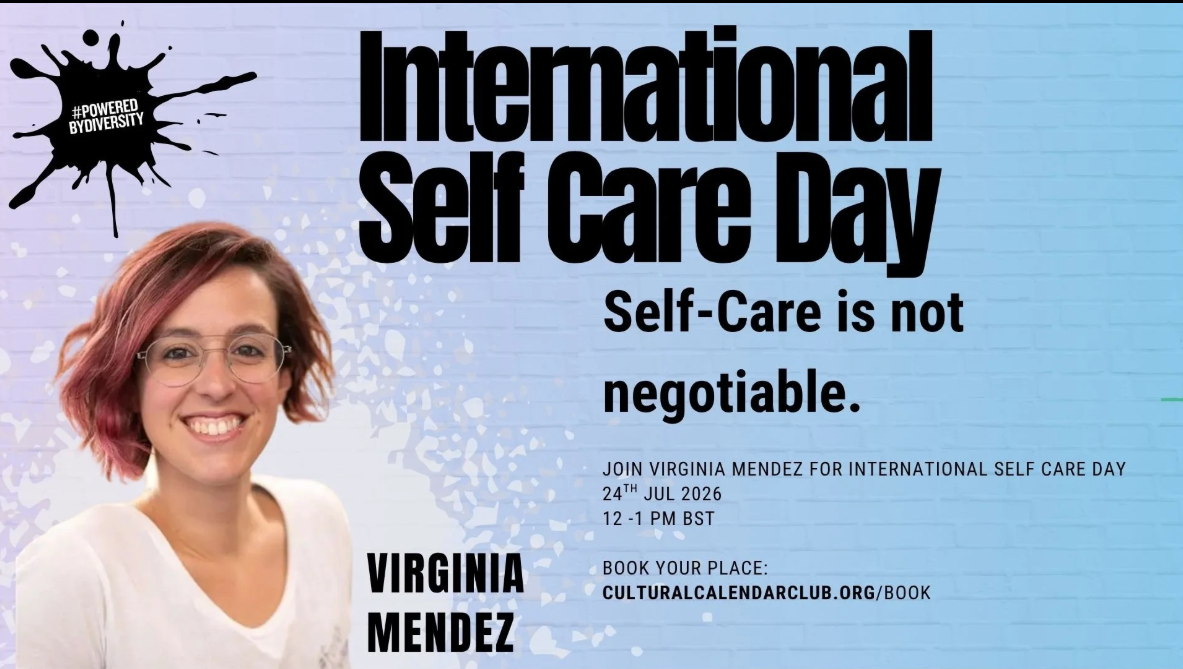
International Self Care Day: Self‑Care is not negotiable.
Friday 24 July 2026
12:00 13:00
Not yet a member of Cultural Calendar Club? Join today or Contact Us.
In this 60‑minute webinar, we’ll dismantle the myth that self‑care is a luxury or an indulgence. Once again, we’ve been sold short-term, capitalist quick fixes—like scented candles and bubble baths—as if they could patch over much deeper, systemic problems.
Real self‑care is far less glamorous and far more powerful. It’s about boundaries. About rest. About tuning into our natural rhythms and creating the space to truly know ourselves.
We often frame self‑care as something we do for others—role‑modelling healthier behaviours, being better colleagues, parents, partners. And yes, that matters. But the deeper truth is this: we don’t need to earn rest or justify our wellbeing. We need to normalise self-love without attaching it to usefulness.
Self‑care is a political act. It's about reclaiming what we all deserve—without guilt—and refusing to burn out while trying to fix the very systems that make it so hard to care for ourselves in the first place. Because access to self-care isn’t equal, and recognising that is part of the work.