
June 16: start strong, stay present
June is OUR screen free Living for children and teens MONTH!
Today's challenge is simple: can you make it through the morning without checking your phone? This is a challenge for you and your teen!
For many of us, reaching for our phone is one of the first things we do when we wake up. A quick check of notifications can easily turn into scrolling through messages, videos, social media or the latest updates before the day has even begun.
But what happens if you don't?
What if, instead of starting the day with a screen, you start with your own thoughts?
A phone-free morning isn't about giving up technology or pretending phones aren't useful. It's about creating a little space before the noise of the day kicks in. A chance to wake up properly, enjoy your breakfast, listen to music, chat with family or friends or simply take a few moments.
You might be surprised by how different the morning feels. Less rushed. Less distracted. Maybe even a little calmer.
So tomorrow morning, try asking your teen to leave their phone alone until it's time to leave for school, college, work, or their first activity of the day. It might feel strange at first but it could become their and your favourite part of the day.
Read more on Cultural Calendar Club…
🔔 coming up on The Work Edit:
Rats, carrots and sport!
coming up on Cultural Calendar Club
12 Months of live, inspiring, entertaining talks events, made financially accessible for all organisations
Not yet a member of Cultural Calendar Club? Join today or Contact Us.
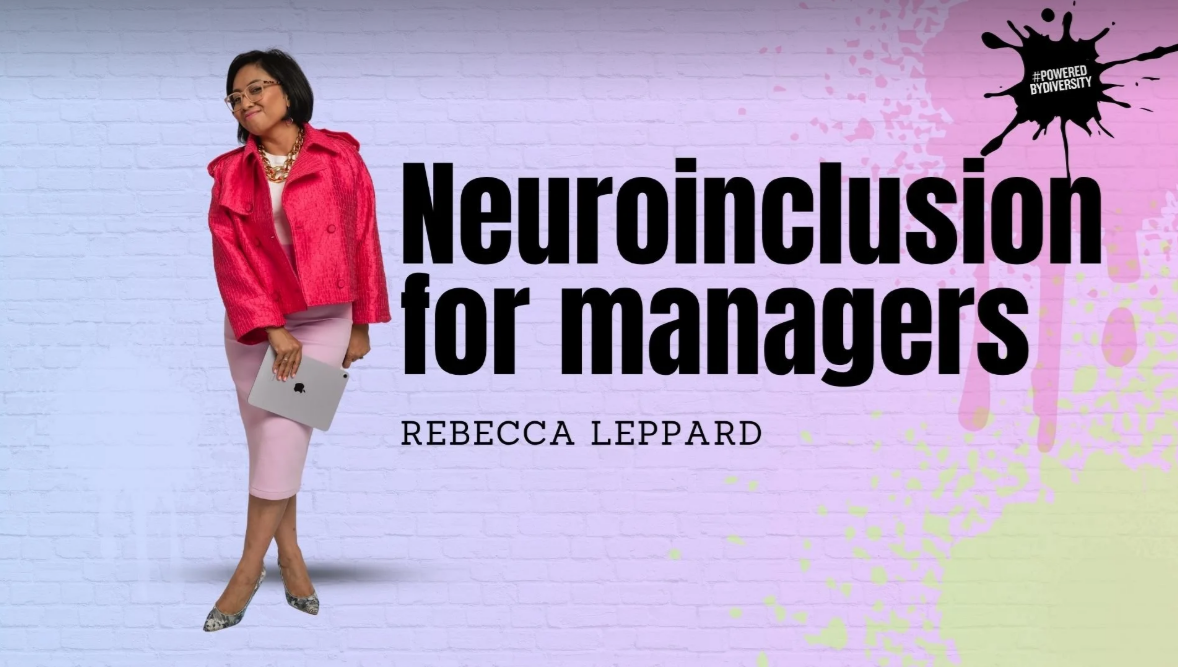
Neuroinclusion for ManagERS
Friday 26 June 2026
12:00 13:00
Not yet a member of Cultural Calendar Club? Join today or Contact Us.
Right now, around 1 in 5 people in your team may be neurodivergent. That means they might process information differently, communicate differently, and experience your management style very differently from what you intend. Most managers are doing their best with almost no guidance on any of this. This session changes that.
In 45 focused minutes, you will get a clear, honest grounding in what neuroinclusive management actually looks like in practice. We will remove the deficit-framed thinking about "difficult" team members and discuss practical, human-centred approaches you can implement immediately.
This is not a session about diagnosing your team or becoming an overnight expert. It is about adjusting the conditions you create as a manager so that more of your people can do their best work, without having to constantly advocate for themselves to be heard.
A note on what this is not
This is not a session about spotting who is neurodivergent on your team. You do not need to know. Neuroinclusive management works by improving the conditions for everyone, so the people who need it most are not left having to ask.