
July 1: The World They're Growing Up In
how society shapes the way children and young people see themselves, each other and the world they live in
Last month, we spent time exploring the importance of stepping away from our screens and making space for the people, places and moments that matter.
This month, we're asking a different question.
If our children are constantly taking in messages from the world around them, what are those messages teaching them?
Throughout July, we'll be exploring how society shapes the way children and young people see themselves, each other and the world they live in. From body image and belonging to prejudice, identity, online culture and mental health, we'll be looking at the influences that often go unnoticed but can have a lasting impact.
These conversations are an invitation to pause, reflect and start conversations about the world our children are growing up in because while we can't control every message they hear, we can help them understand it, question it and, most importantly, know that they are enough just as they are.
Join us over the coming weeks and read more on Cultural Calendar Club…
🔔 coming up on The Work Edit:
Rats, carrots and sport!
coming up on Cultural Calendar Club
12 Months of live, inspiring, entertaining talks events, made financially accessible for all organisations
Not yet a member of Cultural Calendar Club? Join today or Contact Us.
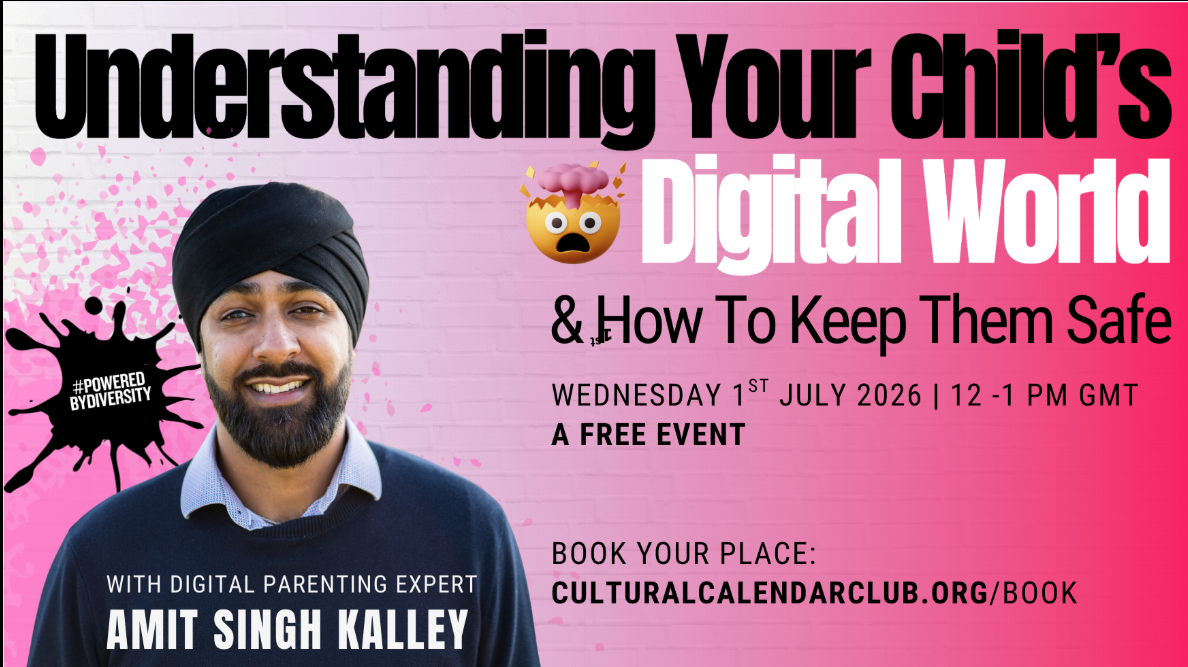
Understanding Your Child’s Digital World and How to Keep Them Safe
Wednesday 1 July 2026
12:00 13:00
Not yet a member of Cultural Calendar Club? Join today or Contact Us.
From social media and messaging apps to gaming platforms and online trends, the digital world plays a powerful role in how children and young people connect, communicate, and develop their sense of self. But with these opportunities come significant risks, as highlighted in the Netflix series Adolescence, from exposure to harmful or sexualised content and online grooming, to cyberbullying, gaming pressures, and the impact of constant comparison. In this practical, research-informed session, parents will gain a clear picture of the digital landscape their children are navigating, including how platforms such as TikTok, Snapchat, Roblox, and online gaming spaces are designed, and why they can be so compelling for young users.
The session explores the realities behind screen time, wellbeing, sleep, and mental health, drawing on the latest UK data to separate fear from fact. Parents will learn how children communicate online using emojis, acronyms, slang, and coded language, and why context matters more than panic. We will also unpack key risks including cyberbullying, pornography exposure, sextortion, AI-generated content, and online grooming, helping parents recognise warning signs while understanding that many online interactions appear harmless at first. Throughout, the focus remains balanced: acknowledging the benefits of technology alongside the challenges and emphasising digital resilience rather than restriction alone.
Most importantly, this session is designed to be empowering. Parents will leave with practical, realistic strategies they can use straight away, whether that’s setting boundaries that actually stick, using parental controls effectively, or having better, more meaningful conversations about online life. You’ll learn how to ask the right questions, respond calmly when concerns arise, and build trust so your child feels able to talk to you early. Rather than aiming for control or perfection, this session supports parents to strengthen connection, confidence, and communication, helping children grow up safer and more resilient in a digital world.