
In many workplaces, the benefit of the doubt isn’t evenly available.
Some people move through work with the assumption of good intentions, they get quicker forgiveness, fewer assumptions are made about them, they just get more space to learn…
Others learn to be careful.
They rehearse their words, spend time thinking about how they’ll be perceived. They use up valuable brain-space limiting risk.
With this in mind we can easily see how this shapes confidence, wellbeing, and participation.
Why this matters → (30 sec read)
Most of us have experienced that relief, that feeling of freedom, in being trusted.
Being able to work freely, creatively, autonomously - knowing that a misstep won’t define you.
Being seen as capable; even when things don’t go perfectly.
That sense of safety changes how we show up.
When we know we’ll be given the benefit of the doubt, we take part more freely, we ask questions, offer ideas, make decisions, we experiment with better ways of doing things.
When things don’t go perfectly, and we’re given the benefit of the doubt, we learn, we recover and we move on.
For leaders → (30-second read)
When leaders talk about performance, feedback, and development, it’s worth asking:
Who gets coached — and who gets corrected?
Who is trusted to learn out loud?
Who feels pressure to get it right first time?
Creating fairer conditions doesn’t mean lowering standards.
It means making sure that learning, recovery, and trust aren’t quietly reserved for a few.
Bringing it all together
If yesterday highlighted how risk shapes participation, today reveals something closely related: recovery.
The ability to make a mistake - and not have it stick.
When that ability varies, people don’t just participate differently.
They protect themselves differently.
This isn’t always visible.
But it’s deeply felt.
Reflection
When was the last time you were given the benefit of the doubt?
Who might not receive the same grace in your workplace?
🔔 coming up on The Work Edit:
Tomorrow, we’ll explore why why silence is often a strategy, not a lack of confidence.
Want to feel more confident talking about topics like this at work?
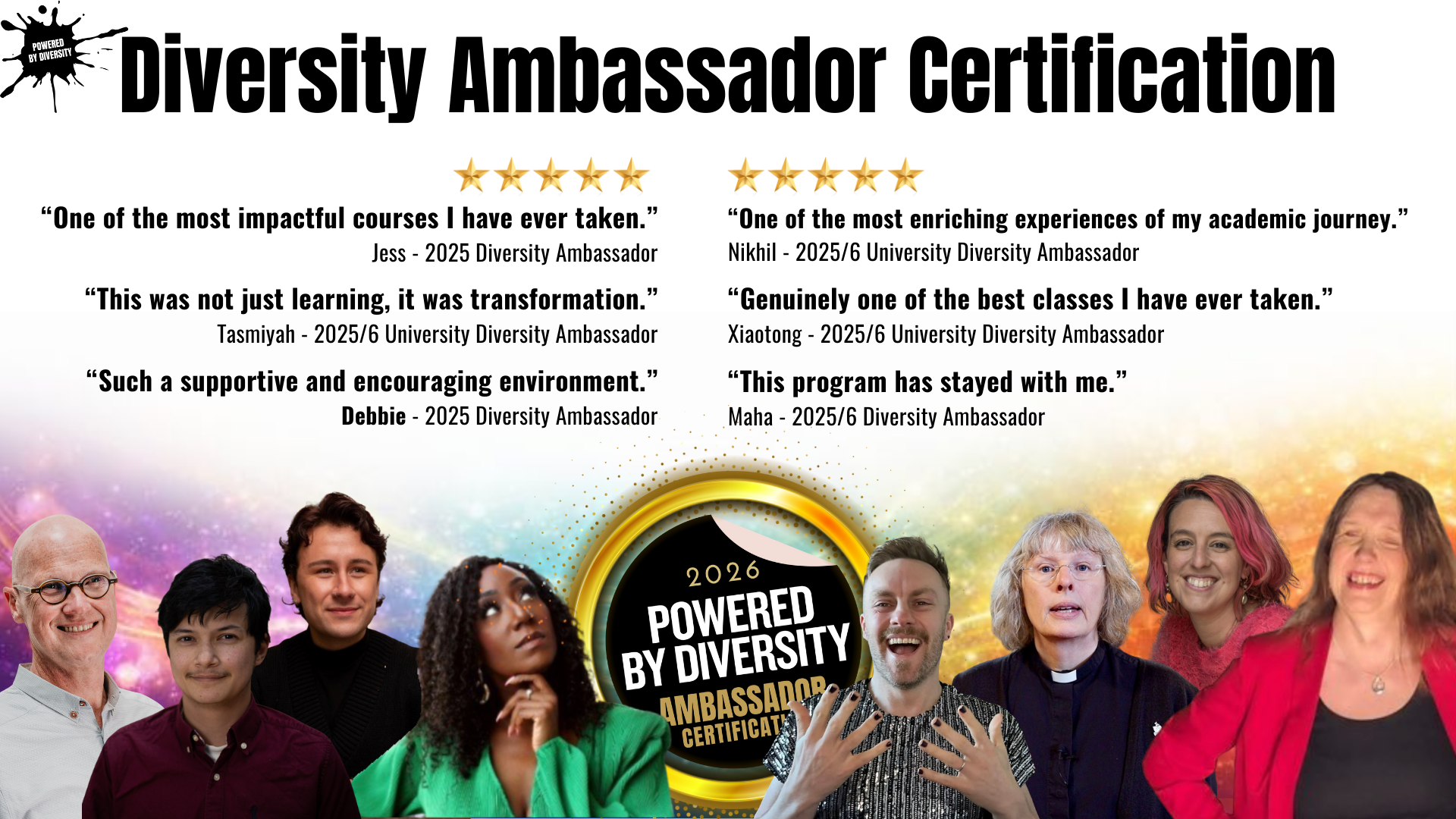
the 2026 Diversity Ambassador certification is now open for booking! 🎉
Six classes held via Teams | Every Thursday | from 12 - 1:30pm | From May 7th - June 11th
When are the Classes?
Thursday 7 May, 12-1:30 - Examining Beliefs - Foundations of EDI Thursday 14 May, 12-1:30 - Today's Sex & Equality Landscape
Thursday 21 May, 12-1:30 - Flags, Pronouns & Human Rights Thursday 28 May, 12-1:30 - Talkin' 'Bout my Generation
Thursday 4 Jun, 12-1:30 - Anti-ableist. Neuro inclusive. Access for all Thursday 11 Jun, 12-1:30 - Talking About Race Today
Click here to book your place! (please be aware the cohorts fill up quickly)
You can find out more here or Get in touch for a chat
coming up on Cultural Calendar Club
12 Months of live, inspiring, entertaining talks events, made financially accessible for all organisations
Not yet a member of Cultural Calendar Club? Join today or Contact Us.
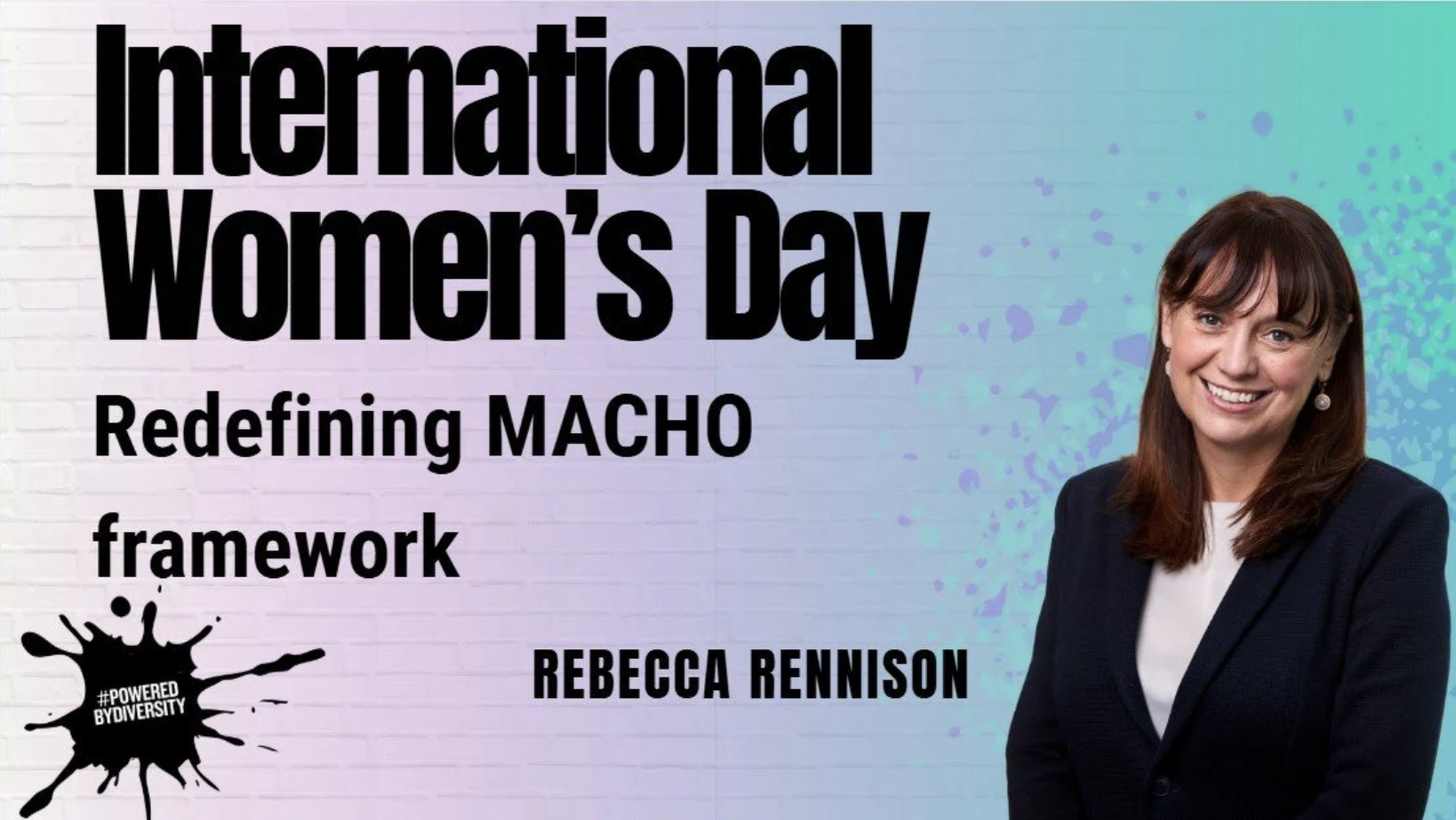
International women’s day
Redefining macho
Monday 9 March 2026
12:00 13:00
Not yet a member of Cultural Calendar Club? Join today or Contact Us.
Rebecca created the “Redefining MACHO” framework to encourage better male allyship and foster a more diverse and inclusive workplace. This framework consists of five simple, actionable steps that everyone can implement today to enhance DE&I within their organisations and the broader business community.
M = Meaningful Mentor
A = Amplify Awareness
C = Capture Confidence
H = Harmony with Home
O = Orchestrate Opportunities
Rebecca will discuss how this framework can unlock numerous small actions that collectively support the development of diverse teams, actively champion equity, and ensure that inclusion is experienced by all. She has conducted several “Redefining MACHO” workshops and events, gathering valuable feedback and real-life examples that provide a clear roadmap for change.
She will also share her “Work Life Harmony Handbook” and “Confidence Boosting Alphabet” to help SMASH Imposter Syndrome.