
In every workplace, there are unspoken signals about which voices are trusted, which ideas are welcomed, which mistakes are forgiven.
Some people move through work with more room for error whilst others move more carefully - not because they want to, but because they have to.
When this difference goes unnoticed, silence is often misread as disengagement.
In reality, it’s often self-protection.
Why this matters → (30 sec read)
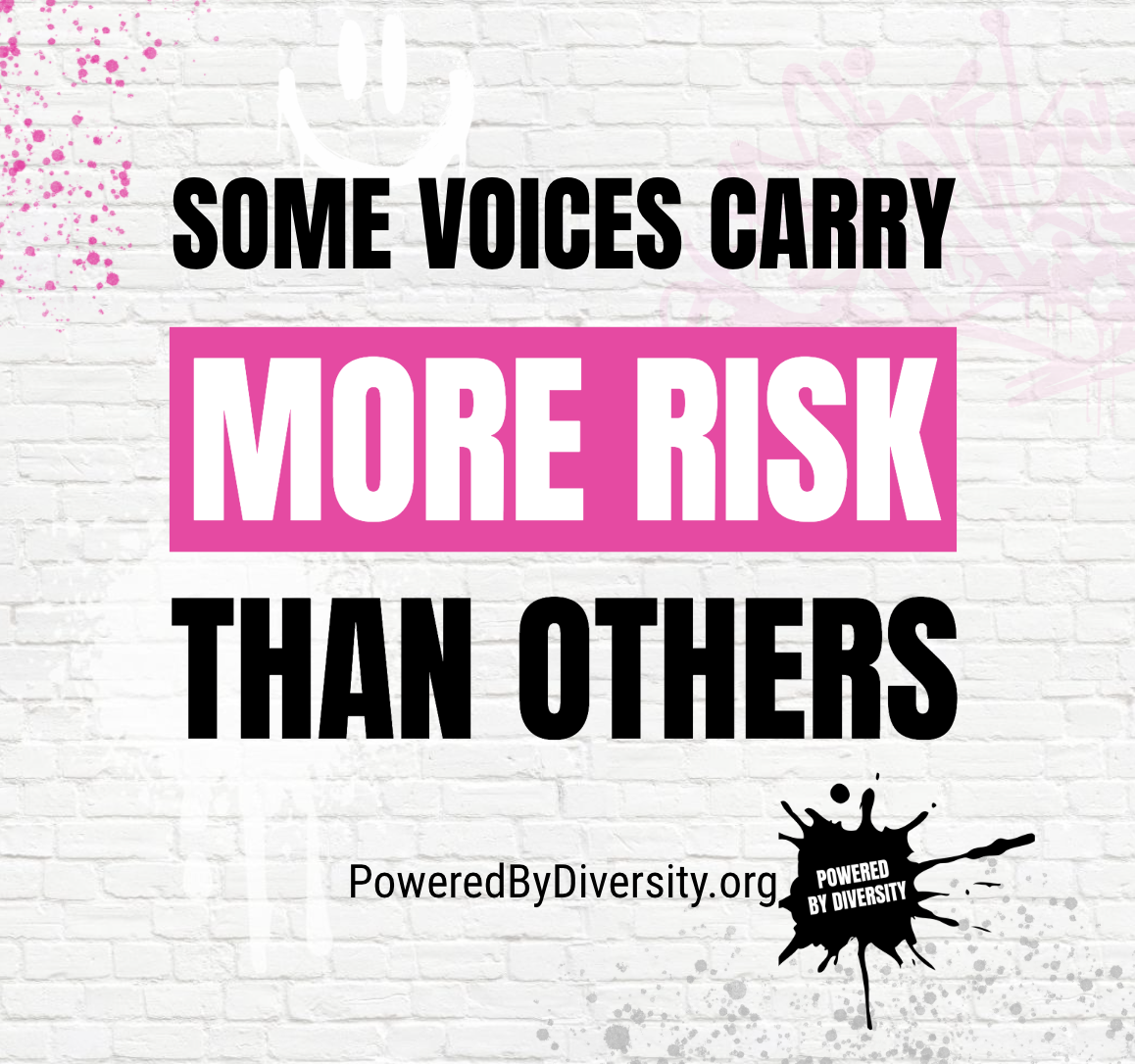
Most people don’t stay quiet at work because they lack confidence. They stay quiet because they’re assessing risk.
Risk of being misunderstood, being labelled “difficult”…the list goes on…
We often talk about participation in the context of it being a personal trait; confidence, courage, assertiveness.
But one thing we rarely talk about is that participation is shaped by safety.
And safety isn’t experienced equally.
For leaders → (30-second read)
When people hesitate to speak, it’s rarely a motivation issue.
It’s usually a conditions issue.
Who feels safe enough to contribute? Who has confidence that their words won’t be held against them later? Who trusts that speaking up won’t change how they’re seen?
Creating the conditions for fairer participation doesn’t start with asking people to be more confident or “be braver” - it starts with reducing the risk attached to being heard.
Bringing it all together
Last week, we explored what happens when the rules of work are invisible (unspoken expectations, uncertainty, silence that protects the status quo).
This week, we’re staying with that theme and looking more closely at who absorbs the cost.
When safety varies, participation does too, not because people care differently — but because the consequences are different.
Noticing this is the first step towards changing it.
Reflection
When have you held back at work to avoid making things worse?
What were you protecting yourself from?
🔔 coming up on The Work Edit:
Tomorrow, we’ll explore who gets the benefit of the doubt and why having room for error makes such a difference to confidence (and wellbeing ;-).
Want to feel more confident talking about topics like this at work?
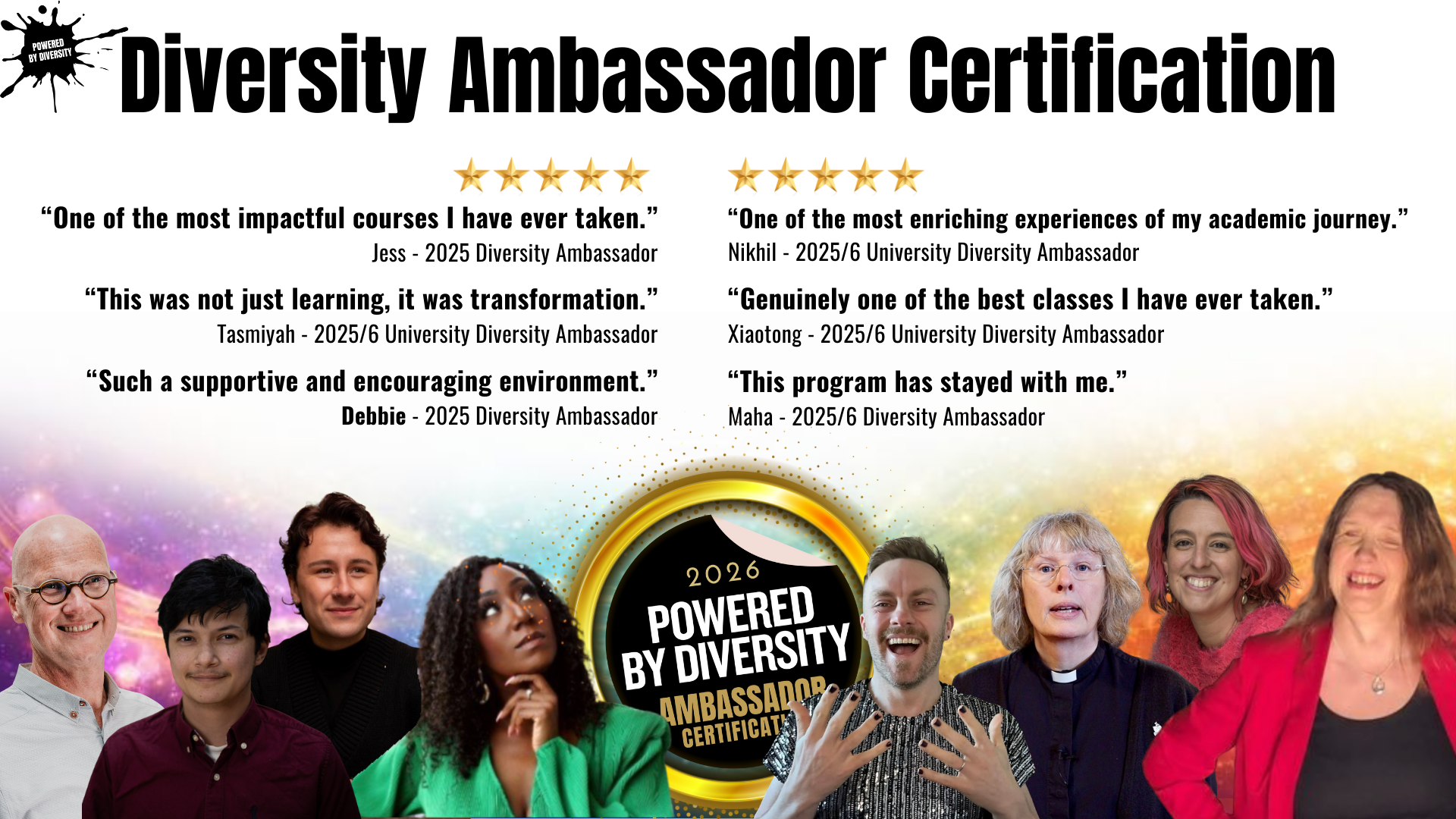
the 2026 Diversity Ambassador certification is now open for booking! 🎉
Six classes held via Teams | Every Thursday | from 12 - 1:30pm | From May 7th - June 11th
When are the Classes?
Thursday 7 May, 12-1:30 - Examining Beliefs - Foundations of EDI Thursday 14 May, 12-1:30 - Today's Sex & Equality Landscape
Thursday 21 May, 12-1:30 - Flags, Pronouns & Human Rights Thursday 28 May, 12-1:30 - Talkin' 'Bout my Generation
Thursday 4 Jun, 12-1:30 - Anti-ableist. Neuro inclusive. Access for all Thursday 11 Jun, 12-1:30 - Talking About Race Today
Click here to book your place! (please be aware the cohorts fill up quickly)
You can find out more here or Get in touch for a chat
coming up on Cultural Calendar Club
12 Months of live, inspiring, entertaining talks events, made financially accessible for all organisations
Not yet a member of Cultural Calendar Club? Join today or Contact Us.
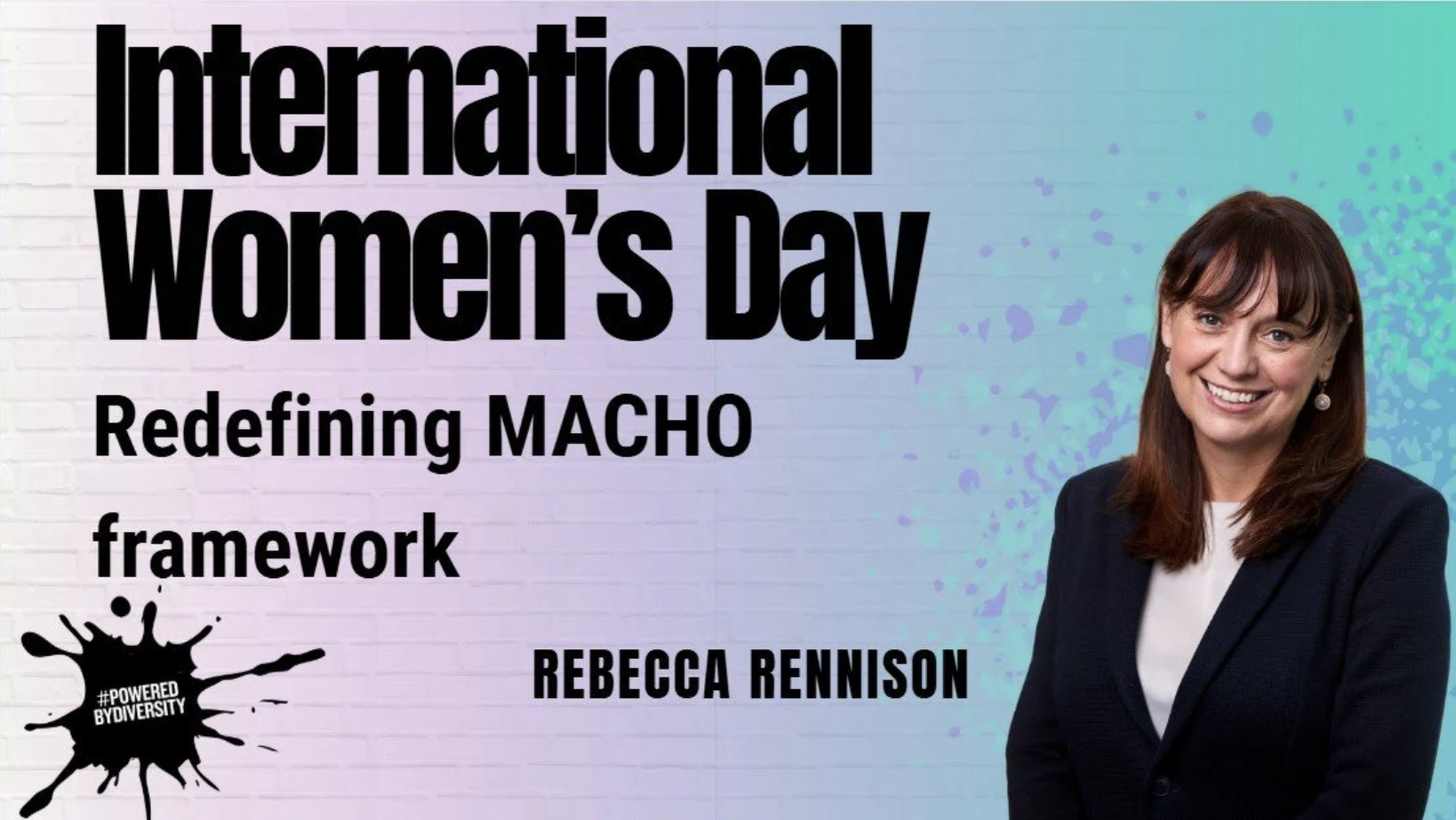
International women’s day
Redefining macho
Monday 9 March 2026
12:00 13:00
Not yet a member of Cultural Calendar Club? Join today or Contact Us.
Rebecca created the “Redefining MACHO” framework to encourage better male allyship and foster a more diverse and inclusive workplace. This framework consists of five simple, actionable steps that everyone can implement today to enhance DE&I within their organisations and the broader business community.
M = Meaningful Mentor
A = Amplify Awareness
C = Capture Confidence
H = Harmony with Home
O = Orchestrate Opportunities
Rebecca will discuss how this framework can unlock numerous small actions that collectively support the development of diverse teams, actively champion equity, and ensure that inclusion is experienced by all. She has conducted several “Redefining MACHO” workshops and events, gathering valuable feedback and real-life examples that provide a clear roadmap for change.
She will also share her “Work Life Harmony Handbook” and “Confidence Boosting Alphabet” to help SMASH Imposter Syndrome.