
Avoidance is often a stress response.
Why this matters → (30 sec read)
Avoiding things doesn’t always mean you don’t care.
Often, it means:
you’re overwhelmed
you don’t have the energy for conflict
you’re protecting yourself from more pressure
When capacity is low, the brain looks for ways to reduce load.
Avoidance is one of them.
That doesn’t make you weak or unprofessional.
It means your system is trying to cope.
For leaders → (30 sec read)
Avoidance is frequently misread as disengagement or lack of ownership.
In reality, it’s often a sign that people feel stretched, uncertain, or overloaded.
Before addressing behaviour, it’s worth asking:
what pressure are people under?
what energy do they have?
what feels risky to raise right now?
Reducing stress restores engagement far more effectively than pushing harder.
Mindset shift required?
Avoidance has a bad reputation.
We tend to associate it with laziness, fear, or lack of commitment.
But psychologically, avoidance is a protective response.
When energy is low and pressure is high, the brain prioritises:
short-term safety
reduced conflict
fewer demands
That’s why people delay decisions, avoid conversations, or stick with the familiar — even when they know something needs to change.
Understanding avoidance as a response rather than a flaw changes the conversation.
It moves us from “Why aren’t they stepping up?”
to “What’s making this feel unsafe or unmanageable?”
And that’s where real progress starts.
What have you been avoiding — not because you don’t care, but because you don’t currently have the capacity?
🔔 coming up on The Work Edit:
Tomorrow: What becomes possible when capacity stabilises.
🔔 Get Daily Insights to your inbox
Cultural Calendar Club
Your calendar of live events for the year.
join today for 12 Months of live, inspiring, entertaining talks events, made financially accessible for all organisations
Not yet a member of Cultural Calendar Club? Join today or Contact Us.
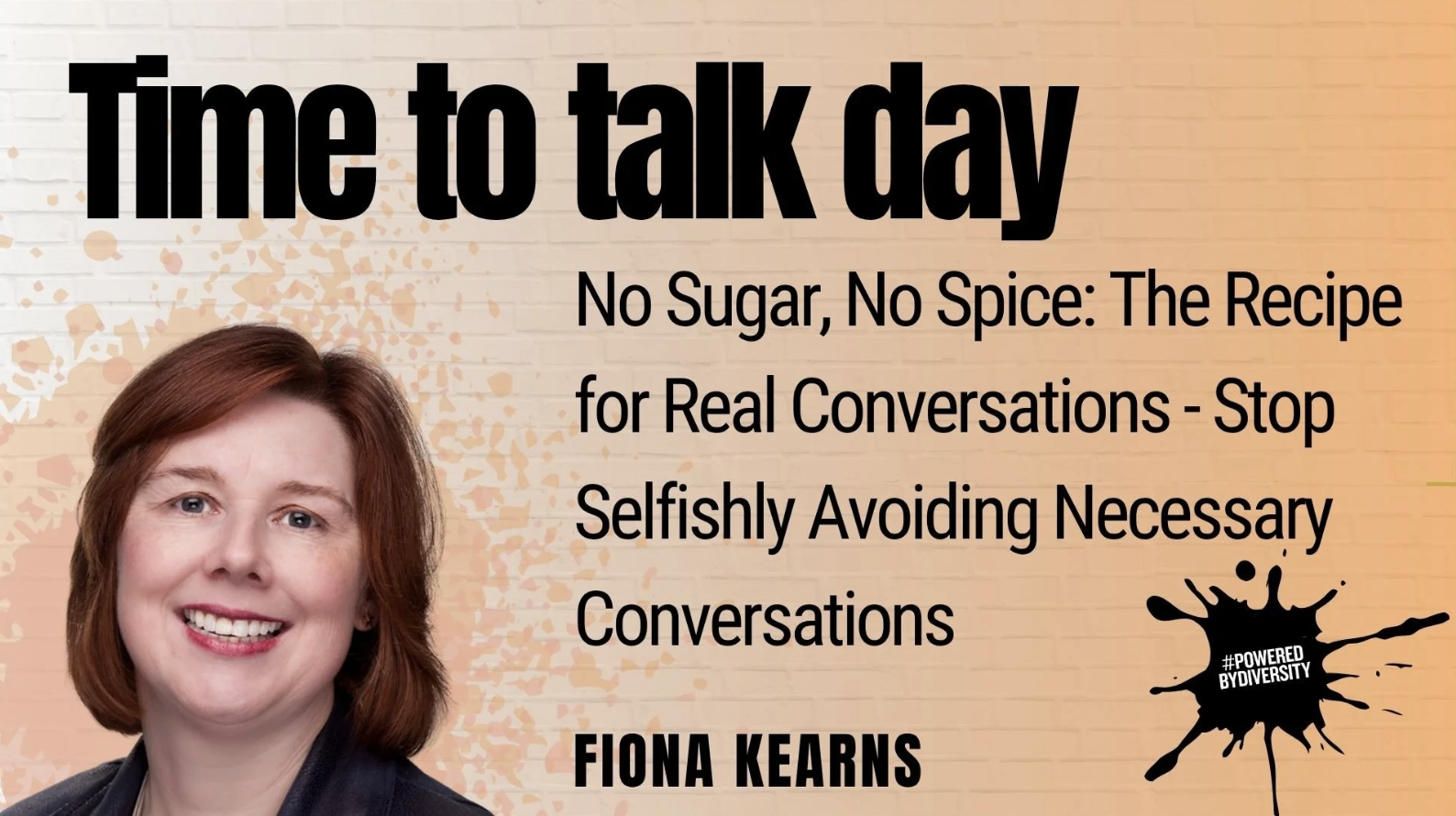
No Sugar, No Spice: The Recipe for Real Conversations
Thursday 5 February 2026
12:00 13:00
You might think avoiding tough conversations makes you kind or considerate. In reality, it’s holding everyone back—including you. Let’s face it: dodging discomfort doesn’t just affect you. It hinders your team and your organisation from reaching their full potential. By avoiding these moments, you deprive your team members of valuable feedback, stall their development, and miss opportunities to strengthen your working relationships.
It’s time to break the cycle. It’s Time to Talk.
In this masterclass, you’ll learn how to face these conversations head-on, adopt a practical and proven strategy, and build stronger, more productive connections.
Not yet a member of Cultural Calendar Club? Join today or Contact Us.