
Clarity requires energy.
Why this matters → (30 sec read)
When energy is low, thinking clearly becomes harder.
Decisions feel heavier.
Small tasks take longer.
Avoidance creeps in.
That’s not a lack of motivation or confidence.
It’s a capacity issue.
Before pushing yourself to be clearer, braver, or more decisive, it’s worth asking a simpler question:
Do I actually have the energy for this right now?
Clarity returns when capacity does.
For leaders → (30 sec read)
When teams seem indecisive or avoidant, it’s tempting to push for faster answers.
But clarity depends on capacity.
Low energy shows up as:
delayed decisions
reduced initiative
hesitation
surface-level agreement
Supporting clarity means protecting energy — not just demanding outcomes.
Mindset shift required?
We often treat clarity as a personality trait.
Some people are “clear thinkers”.
Others are “indecisive”.
But clarity is far more situational than we admit.
When energy is stable, people:
process information more easily
weigh options more accurately
speak with more confidence
engage rather than withdraw
When energy is depleted, the opposite happens.
Avoidance isn’t a character ‘flaw’.
It’s more often the mind needing more time to process - or conserving resources.
Understanding this shifts the question from “Why aren’t they stepping up?” to “What’s draining capacity here?”
And that’s a much more useful place to start.
Is there anywhere you’ve been interpreting low energy as a personal failing — in yourself or others?
🔔 coming up on The Work Edit:
Tomorrow: The stealth energy vampire; why avoidance costs more energy than it saves.
🔔 Get Daily Insights to your inbox
Cultural Calendar Club
Your calendar of live events for the year.
join today for 12 Months of live, inspiring, entertaining talks events, made financially accessible for all organisations
Not yet a member of Cultural Calendar Club? Join today or Contact Us.
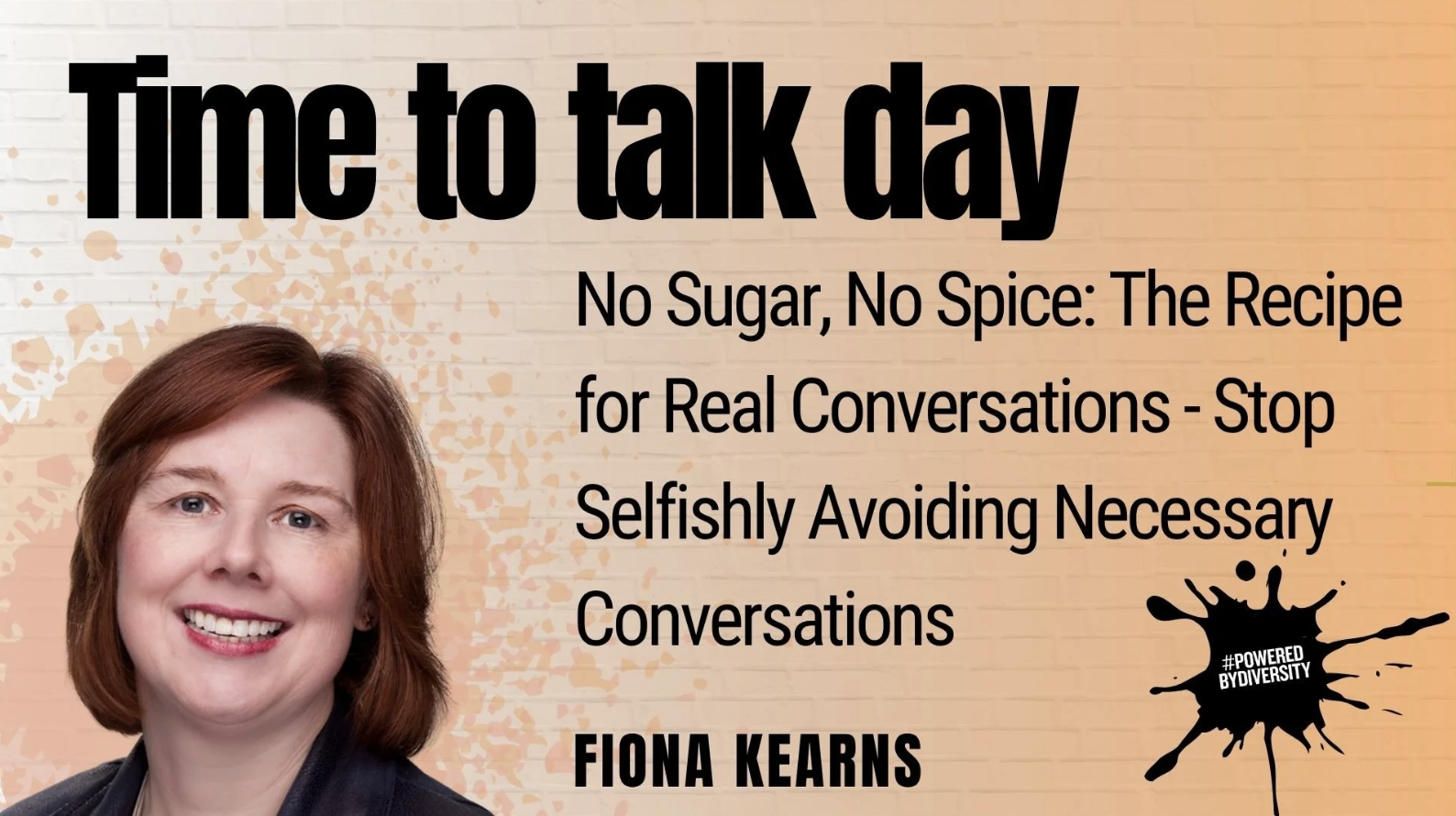
No Sugar, No Spice: The Recipe for Real Conversations
Thursday 5 February 2026
12:00 13:00
You might think avoiding tough conversations makes you kind or considerate. In reality, it’s holding everyone back—including you. Let’s face it: dodging discomfort doesn’t just affect you. It hinders your team and your organisation from reaching their full potential. By avoiding these moments, you deprive your team members of valuable feedback, stall their development, and miss opportunities to strengthen your working relationships.
It’s time to break the cycle. It’s Time to Talk.
In this masterclass, you’ll learn how to face these conversations head-on, adopt a practical and proven strategy, and build stronger, more productive connections.
Not yet a member of Cultural Calendar Club? Join today or Contact Us.