
Returning to full pace before energy has recovered is one of the fastest ways to burn out in January.
Why this matters → (30 sec read)
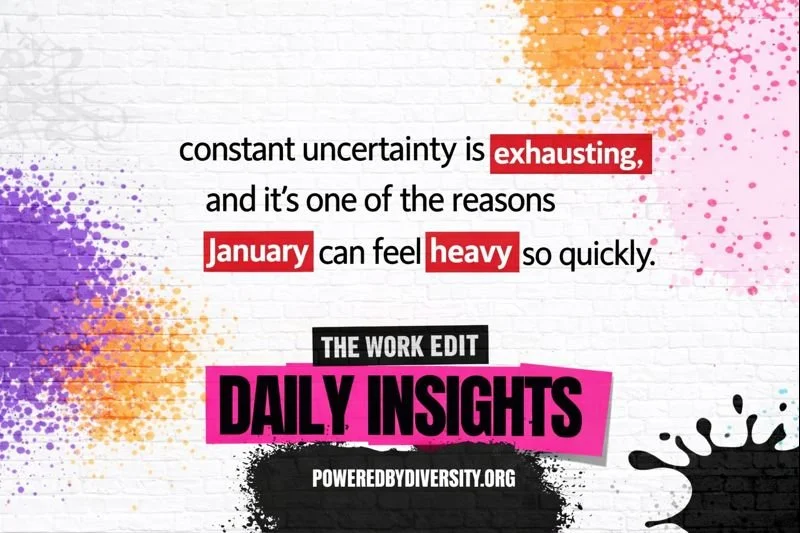
Energy doesn’t reset on the same timeline as your calendar.
After time off, your brain and nervous system are still recalibrating — even if your workload has already returned to full speed. When pace ramps up before energy has caught up, exhaustion builds quietly and quickly.
If you’re feeling slower, flatter, or more easily drained this week, that’s not a lack of motivation.
It’s your system asking for a more gradual restart.
January works better when you rebuild capacity first — and increase pace second.
For leaders → (30 sec read)
When energy is low but expectations remain high, people compensate by overextending — not by performing better.
A mismatch between capacity and pace is one of the clearest early warning signs of burnout, particularly in January when systems restart faster than humans do.
Teams don’t need encouragement to push harder at this stage. They need permission to recalibrate: fewer competing demands, clearer priorities, and realistic timelines while energy rebuilds.
Sustainable performance comes from aligning pace with capacity — not ignoring the gap.
One Thing to Try:
Before increasing speed, ask:
“Do we have the energy for this — or just the expectation?”
That question alone could help build back strong in January - rather than deplete energy stores.
Top Tips: Rebuilding Energy Before You Ramp Up
1. Lower the bar before you raise the pace
You don’t need full output in week one.
Aim for:
Steady and sustainable — not impressive.
Energy rebuilds faster when you stop demanding peak performance too early.
2. Protect energy before you protect productivity
When energy is low, productivity hacks backfire.
Instead of squeezing more in, try:
Shorter meetings
Fewer context switches
More time between tasks
Less friction = more usable energy.
3. Notice what drains you fastest
Low energy isn’t random — it’s patterned.
Pay attention to:
Meetings that exhaust you
Tasks that feel heavier than they should
Times of day when energy dips sharply
This isn’t about avoidance, it’s about smarter pacing, spotting things you might be able to change, and knowing when to tackle certain tasks (at times where energy for them is high).
4. Start with tasks that rebuild confidence
Confidence fuels energy.
Early in the week, prioritise work that:
You can complete
You understand clearly
Doesn’t require constant decision-making
Momentum helps energy catch up.
5. Treat slowness as a phase, not a problem
We are so used to hustle culture and that January narrative of “new start!”, “hurry up, the rest of your life starts today”, “work, grow, be your BEST” that feeling slower in January can feel like you’ve lost capability.
Ignore the nonsense online - your system is recalibrating.
Energy returns faster when you stop fighting it so go with your flow and you might find your energy returns faster - and more sustainably.
6. Ask for pace adjustments early
It’s easier to reset expectations at the start than recover later.
Simple phrases help:
“I’m ramping back up — can we prioritise?”
“What matters most right now?”
Clarity protects energy.
7. Build capacity before adding pressure
Energy grows when you:
Get clearer priorities
Regain a sense of control
Reduce unnecessary urgency
January works best when you let capacity lead — not pressure.
🔔 Tomorrow on The Work Edit:
Energy, capacity, and why “back to normal” is a myth.
Cultural Calendar Club
Your calendar of live events for the year.
join today for 12 Months of live, inspiring, entertaining talks events, made financially accessible for all organisations
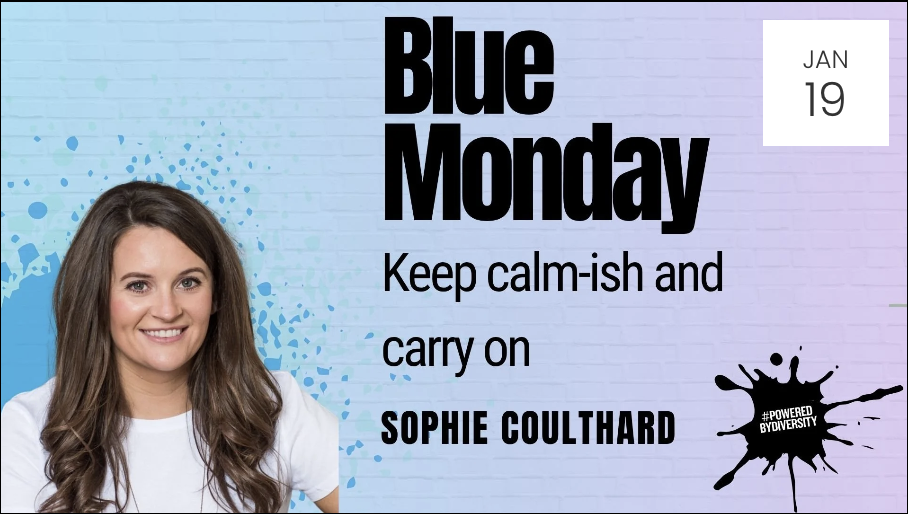
Blue Monday: Keep Calm-ish and Carry On
Monday 19 January 2026
12:00 13:00
Beat the Blue Monday slump with a practical, uplifting session focused on building real resilience and confidence for the year ahead.
Join wellbeing specialist Sophie Coulthard for an energising virtual workshop packed with simple strategies to help you reset, refocus, and feel more in control. You’ll explore how to manage pressure, shift unhelpful thinking, and support your own wellbeing, as well as those around you.
Whether you're already flagging in the new year or just want to start 2026 feeling steady and strong, this session is a great way to press pause and build momentum.
Not yet a member of Cultural Calendar Club? Join today or Contact Us.