This Week, Edited: What We Really Learned About Wellbeing, Stress and Burnout
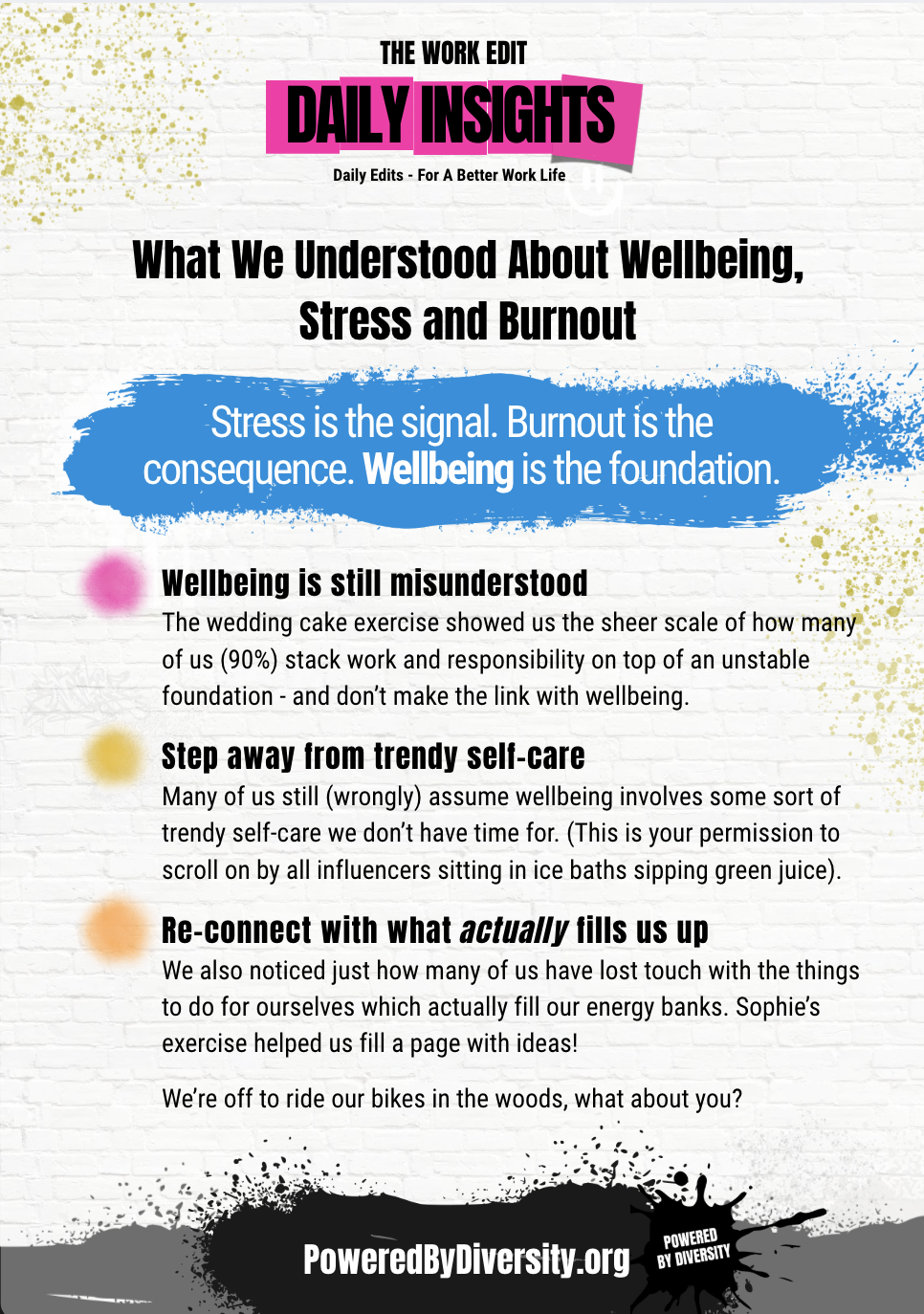
This week wasn’t about adding new wellbeing trends to our to-do lists or ‘fixing’ ourselves.
It was about understanding how stress, burnout, and wellbeing are actually connected — and why treating them as separate issues never really works.
Here’s what stood out to us — and why it matters.
Stress Isn’t a Personal Failure
One of the clearest insights this week was that stress is rarely about someone not coping well enough.
Stress builds when:
expectations are unclear
urgency is constant
recovery is limited
pressure goes unspoken
When stress is framed as a personal problem, the solutions become personal fixes. But many of the things that create stress sit outside individual control.
Stress, more often than not, is a signal from the system, not a flaw in the person.
Burnout Is What Happens When Stress Goes Unanswered
Burnout isn’t sudden. It’s cumulative.
It develops when stress persists for long periods without relief — especially in people who care deeply, perform highly, and push themselves quietly.
This week reminded us that burnout often shows up long before people label it as such:
loss of joy or creativity
emotional flatness
reduced resilience
feeling “on autopilot”
Burnout isn’t weakness. It’s what happens when stress is ignored for too long.
Wellbeing Isn’t Self-Care — It’s Structure
Perhaps the most important reframe this week was around wellbeing itself.
Wellbeing isn’t:
self care trends
another thing to add to the list
Whilst self-care trends can be supportive — they don’t address the root causes - or what really fills you up.
Real wellbeing shows up in:
Constantly re-connencting with who you are
Permission (and support) to pause
Small things that bring you joy (if it feels self indulgent - you’re getting close!)
Clear priorities, realistic workloads and control over time and pace
Systems that don’t rely on constant over-giving (including self-implemented ones!)
Wellbeing also isn’t something you do around work - it should shape how work is designed around preserving and sustaining your energy stores…
(if they run out, work will probably be the first thing to suffer)
The “Wedding Cake” Explained Everything
Sophie’s wedding cake exercise gave us a simple way to see the problem.
Most people are stacking work, responsibility, and care for others on top — while leaving themselves with a thin, unstable foundation.
That imbalance isn’t a personal failing.
It’s incredibly common.
Burnout doesn’t come from having too much on top alone — it comes from having too little underneath to support it.
Why Rebuilding Has to Be Slow
Once people recognise imbalance, there’s often a rush to fix it. But wellbeing doesn’t respond well to urgency.
Many people don’t know what restores them anymore — not because they don’t care, but because years of pressure have dulled their sense of choice and joy.
Rebuilding wellbeing isn’t about forcing new routines.
It’s about reconnecting with:
What gives you energy back
What feels grounding
What genuinely matters to you
Reframe wellbeing away from being self-indulgent or selfish or lazy - it’s how capacity actually returns.
Put like that, can we afford not to focus on wellbeing?
How Stress, Burnout and Wellbeing Are Linked
This week made one thing very clear:
Stress is the signal
Burnout is the consequence
Wellbeing is the foundation that prevents both
When wellbeing is weak or unsupported, stress accumulates faster and burnout becomes more likely.
When wellbeing is treated as essential and structural — not optional — stress reduces naturally and burnout risk drops.
They aren’t separate conversations.
They’re one system.
One Question to Carry Forward into next week:
What would make your energy for work — and life — feel more boosted right now?
Not perfect.
Not fixed.
Just slightly more sustainable.
That’s where meaningful change starts.
🔔 coming soon on The Work Edit:
Blue Monday - Keep Calm-ish and Carry On
🔔 Get Daily Insights to your inbox
Cultural Calendar Club
Your calendar of live events for the year.
join today for 12 Months of live, inspiring, entertaining talks events, made financially accessible for all organisations
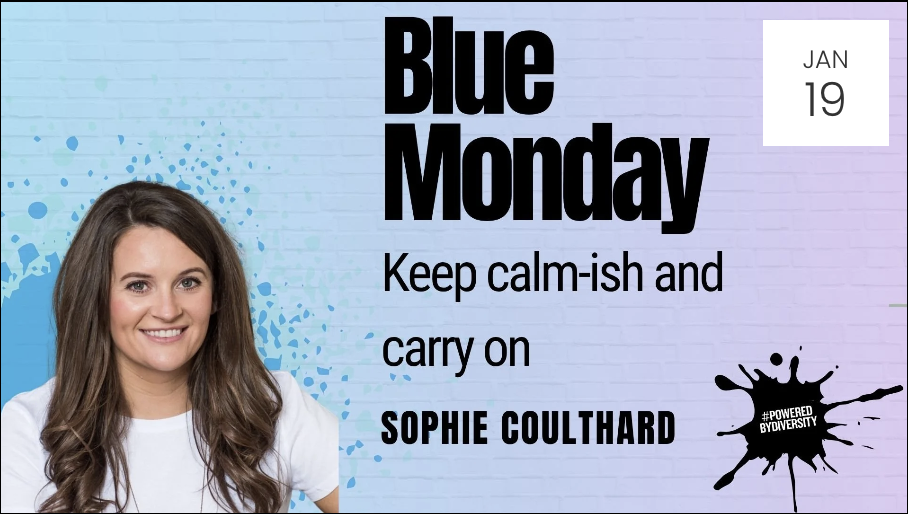
Blue Monday: Keep Calm-ish and Carry On
Monday 19 January 2026
12:00 13:00
Beat the Blue Monday slump with a practical, uplifting session focused on building real resilience and confidence for the year ahead.
Join wellbeing specialist Sophie Coulthard for an energising virtual workshop packed with simple strategies to help you reset, refocus, and feel more in control. You’ll explore how to manage pressure, shift unhelpful thinking, and support your own wellbeing, as well as those around you.
Whether you're already flagging in the new year or just want to start 2026 feeling steady and strong, this session is a great way to press pause and build momentum.
Not yet a member of Cultural Calendar Club? Join today or Contact Us.