How people feel returning to work is a stronger predictor of burnout than workload in January.
Why this matters → (30 sec read)

If you’re feeling flat, overwhelmed, or oddly tense coming back to work, that’s not a personal failure - it’s a normal response to re-entry.
Your nervous system doesn’t reset on the same schedule as your inbox. When work restarts at full speed before you’ve had a chance to regain clarity or control, stress builds quickly — even if your workload hasn’t increased.
What helps most right now isn’t pushing harder.
It’s noticing how you’re arriving, and giving yourself permission to reset before you ramp up.
If January feels heavier than expected, that’s useful information — not a weakness.
For leaders → (30 sec read)
Burnout doesn’t usually start with too much work.
It starts with how work feels — especially after a break.
When people return feeling pressured, flat, or behind before they’ve even begun, their stress response is already switched on. Add unclear priorities or a full meeting calendar, and the system tips into overload fast.
In January, leaders often focus on pace.
But what actually protects against burnout is emotional reset & clarity.
If you want people to sustain energy this month, the question isn’t:
“Are they busy?”
It’s:
“How are they arriving — and is that optimal?”
How to Start Back at Work (Without Burning Out by January)
1. Don’t start with your inbox
Your inbox reflects everyone else’s priorities, not yours.
Before you open it, take two minutes to ask:
What actually matters this week?
Starting with intention reduces anxiety and stops reactive work from hijacking your day.
2. Reset expectations before increasing pace
You don’t need to “hit the ground running” to be effective.
If priorities feel fuzzy, it’s okay to ask:
“What does success look like right now?”
Clarity protects energy more than motivation ever will.
3. Treat low energy as information, not failure
Feeling flat or overwhelmed after a break is normal.
Instead of pushing through, ask:
What’s draining me — and what would help even slightly?
Small adjustments (fewer meetings, clearer goals, more autonomy) matter more than willpower.
4. Start with one small win
You don’t need a perfect plan — just momentum.
Pick one task that:
Moves something forward
Is fully within your control
Can be finished today
Completion builds confidence faster than pressure.
5. Protect your first week like a soft landing
January doesn’t need intensity — it needs re-entry.
If you can:
Decline or shorten unnecessary meetings
Block thinking time
Ease into full pace
You’re not falling behind — you’re setting yourself up to last.
6. Remember: how work feels is part of how it works
Stress, pressure, and confusion aren’t just feelings — they’re signals.
If something feels heavy already, that’s worth paying attention to.
Often a few small changes can make the biggest difference.
🔔 Tomorrow on The Work Edit:
One thing that creates stress way faster than workload.
Cultural Calendar Club
Your calendar of live events for the year.
join today for 12 Months of live, inspiring, entertaining talks events, made financially accessible for all organisations
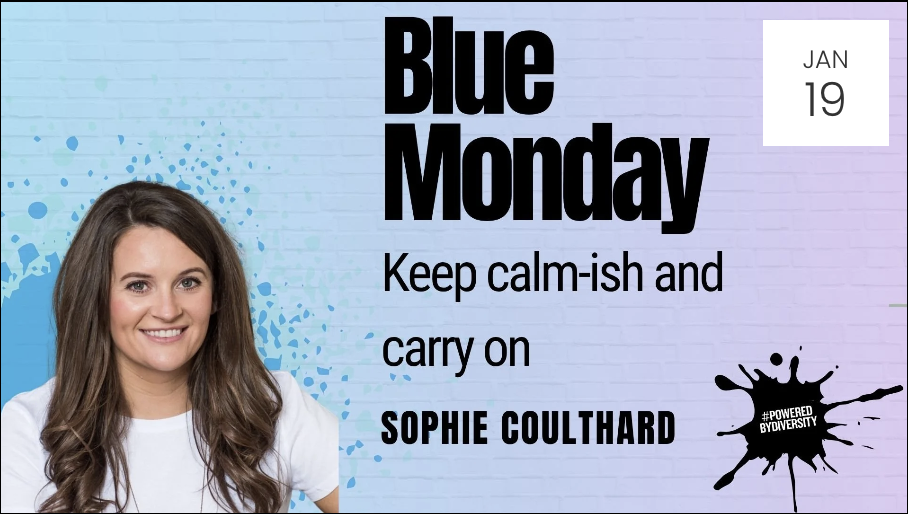
Blue Monday: Keep Calm-ish and Carry On
Monday 19 January 2026
12:00 13:00
Beat the Blue Monday slump with a practical, uplifting session focused on building real resilience and confidence for the year ahead.
Join wellbeing specialist Sophie Coulthard for an energising virtual workshop packed with simple strategies to help you reset, refocus, and feel more in control. You’ll explore how to manage pressure, shift unhelpful thinking, and support your own wellbeing, as well as those around you.
Whether you're already flagging in the new year or just want to start 2026 feeling steady and strong, this session is a great way to press pause and build momentum.
Not yet a member of Cultural Calendar Club? Join today or Contact Us.